




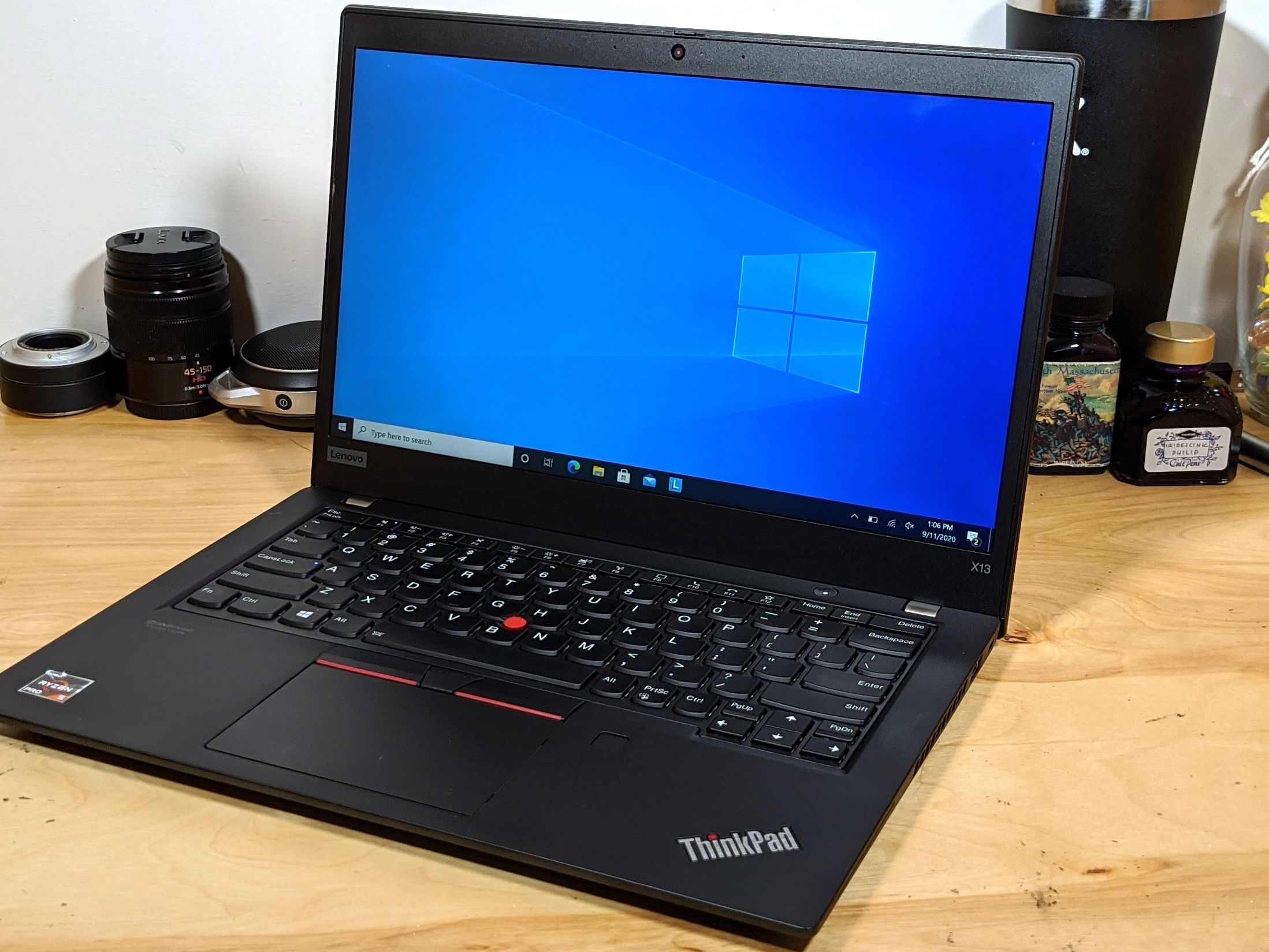
Lenovo’s new ThinkPad X13 Gen 7 is one of the first laptops to show what AMD’s next generation Ryzen AI 400 chip can do.
The laptop is built for mobile productivity, not gaming or heavy creative work. Its biggest selling point is portability. It weighs just 2.05 pounds, making it much lighter than a typical business laptop. For anyone who carries a laptop all day, that difference matters.
The ThinkPad X13 Gen 7 starts at $1,499. Lenovo has not shared the base configuration yet, so the entry model may come with modest memory or storage. Still, that starting price is reasonable for a premium ThinkPad, especially one built around newer Intel and AMD platforms.
The X13 Gen 7 is available with either AMD Ryzen AI 400 or Intel Core Ultra Series 3, also known as Panther Lake. Both chip options include NPUs rated at 50 TOPS, which means they support modern local AI features. Whether that matters much in daily use depends on the apps you use, since local NPU workloads still are not essential for most people.
Here is the basic picture:
| Feature | Lenovo ThinkPad X13 Gen 7 |
|---|---|
| Weight | 2.05 pounds |
| Starting price | $1,499 |
| CPU options | AMD Ryzen AI 400 or Intel Core Ultra Series 3 |
| NPU | Up to 50 TOPS |
| Memory | Up to 64GB LPDDR5x |
| Storage | Up to 1TB PCIe Gen 5 SSD |
| Display | 13 inch IPS, up to 400 nits |
| Battery options | 41Wh or 55Wh |
| Repairability | 9 out of 10 iFixit score |
The screen may be the main compromise. Lenovo is using a true 13 inch display, not a slightly larger 13.3 or 13.8 inch panel. That makes the laptop easy to carry, but it also means you may want an external monitor at your desk. All display options are IPS rather than OLED, and brightness tops out at 400 nits.
The laptop also stands out for repairability. Lenovo says the ThinkPad X13 Gen 7 earned a 9 out of 10 score from iFixit. Users can replace the battery, SSD, WWAN module, and bottom cover. That is a welcome change in a market where many thin laptops are difficult to repair or upgrade.
The memory is still soldered, though, so buyers should choose the RAM configuration carefully. The laptop supports up to 64GB LPDDR5x, which is strong for a compact productivity machine.
Connectivity also looks solid. Lenovo includes two Thunderbolt 4 ports, Wi Fi 7, and what appears to be built in 5G LTE support. A fingerprint reader is hidden under the power button, and the keyboard uses 1.5mm key travel, which should help it feel better than thinner laptop keyboards with shallower travel.
The big question is AMD Ryzen AI 400. AMD announced the chip earlier this year, but real laptops using it are only now starting to appear. Ryzen AI 300 did not always impress in efficiency tests, so the X13 Gen 7 will be an important chance to see whether AMD has improved performance per watt.
Intel’s Panther Lake has already built a strong reputation, partly because of its integrated graphics in higher end versions. But this ThinkPad may not use Intel’s most powerful GPU configuration, so the AMD version could still be very competitive for business users.
The ThinkPad X13 Gen 7 is not trying to be flashy. It is a light, repairable, business focused laptop with modern AI chips and strong portability. The small screen may not suit everyone, but for travel, meetings, and everyday productivity, it could be exactly the kind of laptop Lenovo’s ThinkPad line is known for.
For AMD, this laptop matters because Ryzen AI 400 needs real shipping systems to prove itself. The ThinkPad X13 Gen 7 may be one of the first serious tests of whether AMD’s newest laptop platform can compete with Intel in premium business machines.

Discussion (0)
Be the first to comment.