



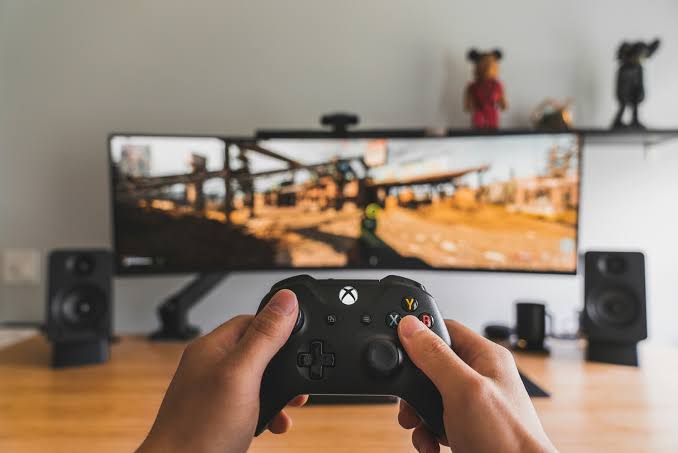
Cloud gaming is worth considering in 2026 if you want to play demanding games without buying an expensive gaming PC or console. It works especially well for casual players, people with strong internet connections, and anyone who wants to use the same game library across a laptop, phone, TV, handheld, or low-power PC.
However, cloud gaming still cannot fully replace a local gaming machine for everyone. It adds latency, relies heavily on network quality, limits modding options, and gives you less control over your games and hardware. For competitive players, enthusiasts, and people who value ownership, a gaming PC or console remains the better long-term option.
Cloud gaming has improved a lot, but it is best seen as an alternative way to access games rather than a complete replacement for local hardware.
How Cloud Gaming Works
Cloud gaming runs the game on a remote server instead of your own device. Your laptop, smartphone, TV, or handheld receives a compressed video stream while sending your controller, mouse, or keyboard inputs back to the server.
That means even a weak device can run a demanding game, provided your internet connection is stable enough.
| Cloud gaming advantage | What it means for you |
|---|---|
| No powerful GPU needed | You can play demanding games on low-end hardware |
| No large downloads | Games can start without filling your SSD |
| Device flexibility | Play on TVs, phones, laptops, handhelds and tablets |
| Lower upfront cost | Avoid buying a costly gaming PC or console |
| Existing game library support | Some services work with Steam, Epic, GOG and other stores |
Services such as GeForce NOW, Xbox Cloud Gaming, PlayStation Plus Premium, Amazon Luna, Boosteroid, and Shadow have made cloud gaming far more practical than it was a few years ago.
For slower paced games, the experience can be very good. Strategy games, turn-based RPGs, city builders, narrative adventures, and many third-person games can feel close to local gaming when the connection is strong.
Latency Is Still the Biggest Problem
The biggest weakness of cloud gaming is input delay. Every button press has to travel through your internet connection to a data center, be processed by the server, rendered into a frame, encoded into video, sent back to your device, decoded, and displayed.
That creates extra delay that local gaming does not have.
Cloud gaming may feel fine in a single-player RPG, but it can become frustrating in competitive shooters, fighting games, rhythm games, racing sims, and other titles where fast reactions matter.
A fast internet plan does not always guarantee a good cloud gaming experience. Latency, jitter, packet loss, Wi-Fi congestion, router quality, and your distance from the service’s data center can all affect gameplay.
| Best for cloud gaming | Poor fit for cloud gaming |
|---|---|
| Strategy games | Competitive shooters |
| Turn-based RPGs | Fighting games |
| City builders | Rhythm games |
| Story-driven games | Serious racing sims |
| Casual couch gaming | Fast-paced esports titles |
Image Quality Is Not the Same as Local Gaming
Cloud gaming delivers a video stream, not the raw image rendered by your GPU. Modern codecs and higher bitrates have improved visual quality, but compression can still reduce detail.
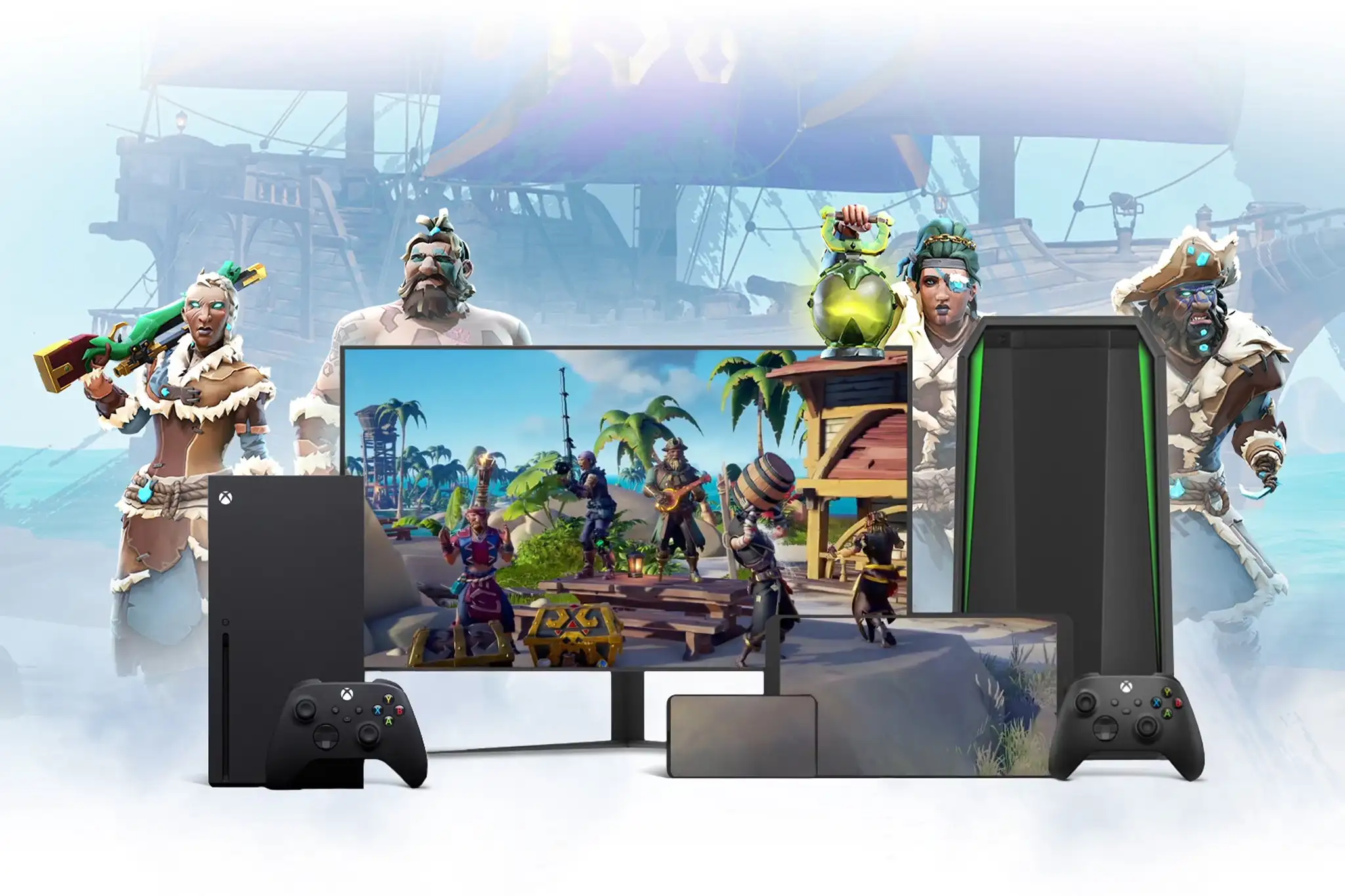
Fast camera movement, dark scenes, heavy foliage, particle effects, rain, and detailed textures can look softer or show visible artifacts. This may not bother casual players, but it is noticeable when compared with a locally rendered game running on a good monitor.
Cloud gaming also gives you less control over settings. You may not get the same access to mods, custom drivers, ReShade presets, benchmark tools, emulator setups, or advanced graphics tuning.
Ownership and Subscription Limits Matter
A local gaming PC may become outdated, but it remains yours. You can keep old installs, use mods, back up save files, run offline games, and choose when to upgrade.
Cloud gaming access is different. A service can change its subscription price, add playtime limits, remove supported games, alter streaming quality, or even shut down completely.
This does not make cloud gaming useless, but it means you are renting access rather than owning the full experience.
Rising PC Prices Make Cloud Gaming More Appealing
Gaming PCs, graphics cards, RAM, SSDs, laptops, and consoles have become more expensive. That makes cloud gaming more attractive for people who only play a few hours each week.
Paying a monthly subscription can make more sense than spending thousands on a high-end PC if you do not need maximum settings, ultra-low latency, deep modding support, or permanent hardware ownership.
Cloud gaming is strongest as a flexible second option. It can help you play your existing games on a MacBook, a small laptop, a TV, or a handheld without installing large files or upgrading hardware.
For serious gaming, local hardware still wins. For convenience and lower upfront cost, cloud gaming has become a useful option in 2026.



Discussion (0)
Be the first to comment.