



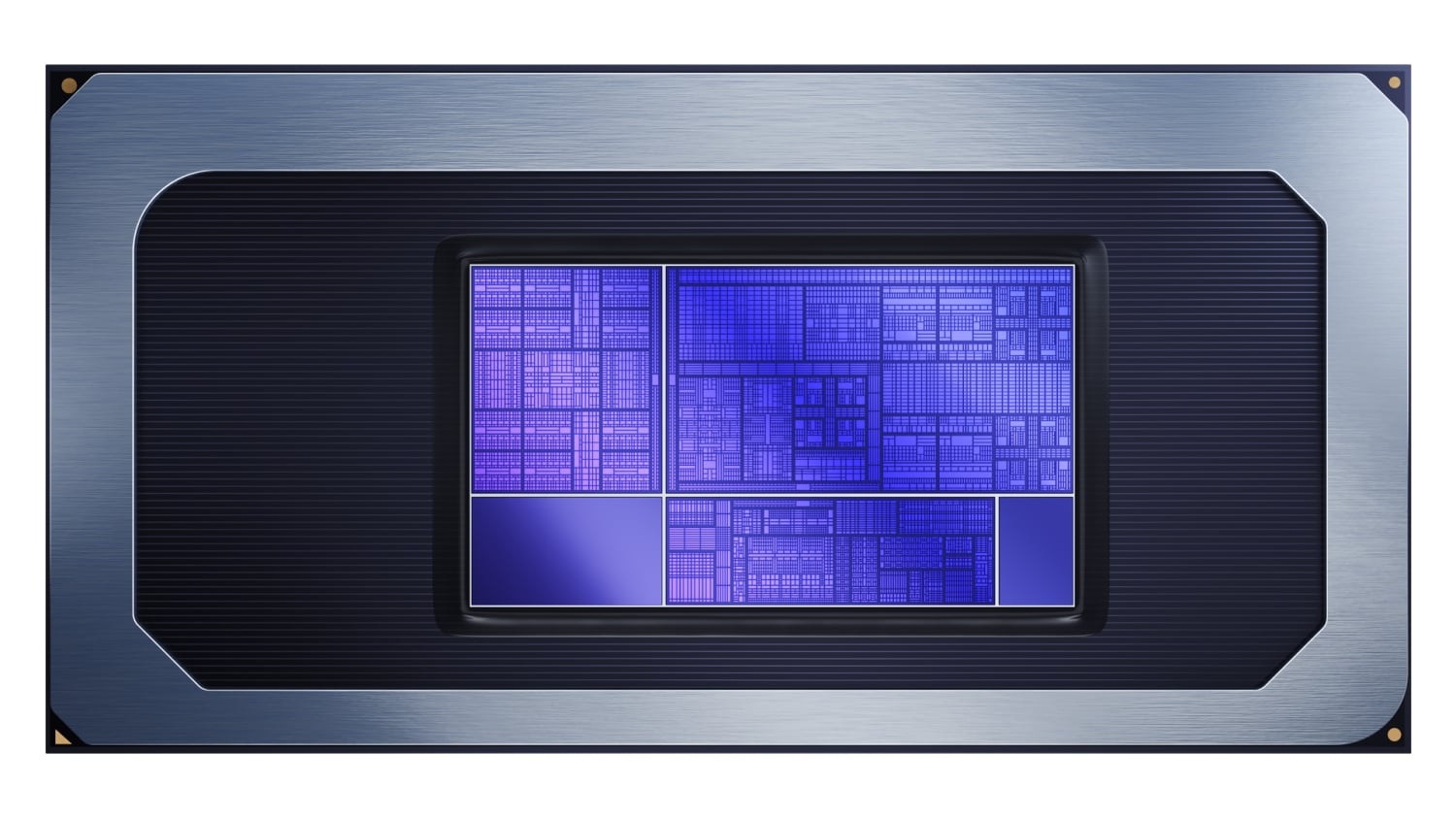
Intel appears to be preparing a new Panther Lake variant called Panther Lake R, according to a recent Linux kernel patch. The chip looks different from the standard Panther Lake lineup because it is described as a ruggedized version built for harsh environments.
The patch lists Panther Lake R with a new model ID of 223. That is separate from the regular Panther Lake model ID, which suggests Linux may need to treat this chip differently for power management, thermal behavior, and platform handling.
The most interesting detail is the core layout. Panther Lake R appears to use only Performance cores and low power Efficient cores. It does not seem to include the regular Efficient cores found in other Intel hybrid designs. That points to a more specialized chip rather than a normal consumer laptop processor.
| Detail | Panther Lake R |
|---|---|
| Chip family | Intel Panther Lake |
| Variant | Panther Lake R |
| Model ID | 223 |
| Regular Panther Lake model ID | 204 |
| Core layout | P cores and LP E cores |
| Standard E cores | Not listed |
| Likely use | Rugged systems and harsh environments |
| Possible devices | Rugged laptops, industrial PCs, edge devices, embedded systems |
The “R” name likely stands for ruggedized, as the patch directly mentions use in harsh environments. That could make Panther Lake R suitable for devices used in factories, field work, industrial systems, edge computing, defense style hardware, or other places where normal consumer laptops may not be durable enough.

This does not mean Panther Lake R will appear in mainstream notebooks. Instead, it looks like Intel is preparing a version of Panther Lake for specialized hardware makers that need stronger reliability, different thermal behavior, and long term support in demanding conditions.
The use of Cougar Cove and Darkmont cores also shows how Intel is spreading its newer CPU architecture across more product types. These cores are already tied to Panther Lake and Wildcat Lake, but Panther Lake R seems aimed at a more industrial segment.
The separate model ID is important because it tells software that this chip is not just a slightly renamed Panther Lake part. A unique ID can help the Linux kernel apply the right rules for scheduling, power use, temperature limits, and system behavior.
Intel has not officially announced Panther Lake R yet, so details such as core counts, clock speeds, power limits, launch timing, and exact device partners remain unknown. Still, the Linux patch suggests development is already underway.
For now, Panther Lake R looks like a quiet but practical expansion of Intel’s next generation platform. It may not be the chip most consumers buy, but it could matter for companies building rugged laptops, industrial computers, and embedded systems that need modern Intel performance in tougher environments.



Discussion (0)
Be the first to comment.