



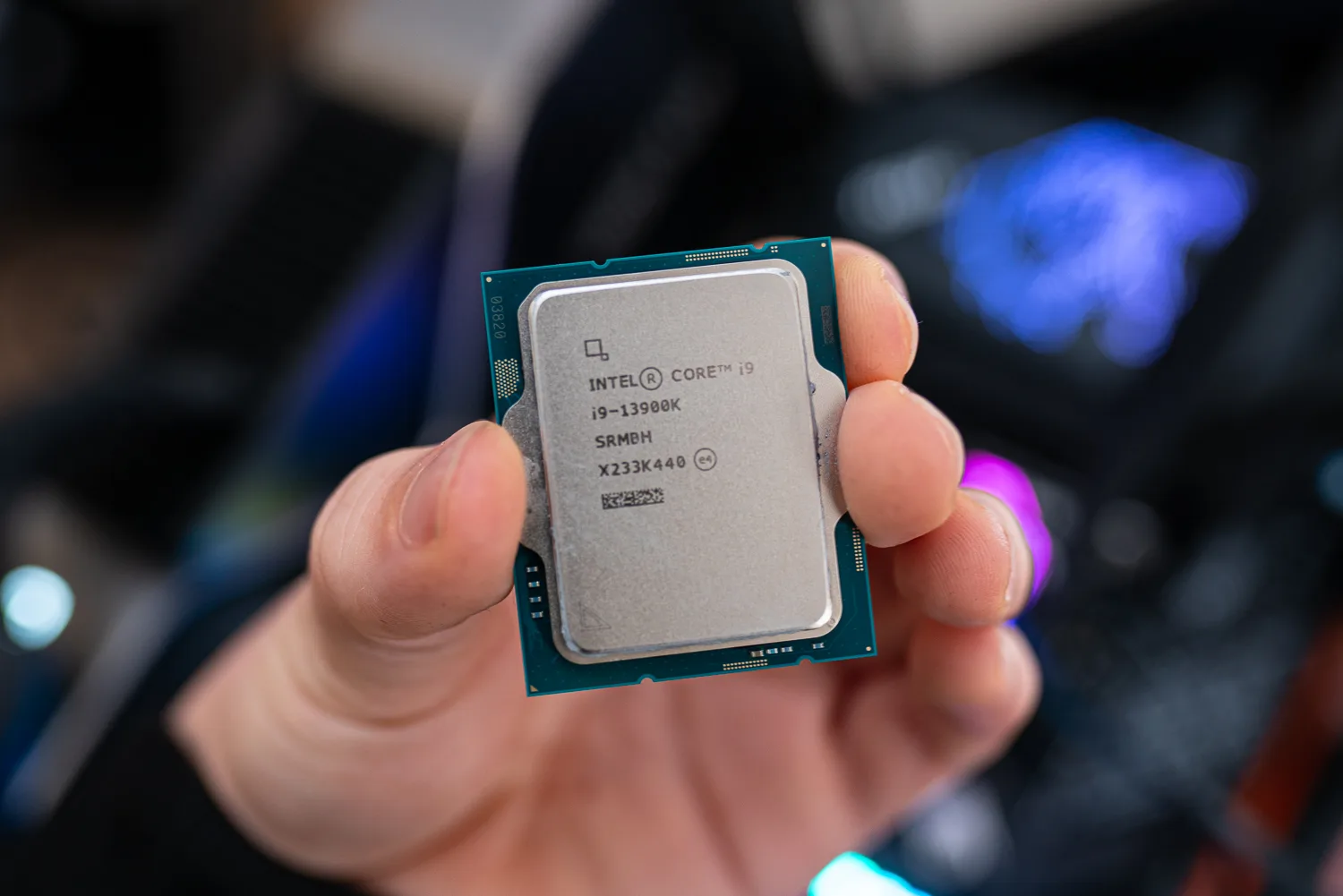
Intel is reportedly preparing to increase the supply of older desktop processors in mainland China as rising DDR5 prices make affordable new PC builds harder to achieve. The reported plan could include renewed availability for 10th, 12th, 13th, and 14th Generation Core processors, all of which can be paired with cheaper DDR4 motherboards and memory.
The move has not been officially announced by Intel, and the report appears to apply specifically to mainland China. Still, it reflects a wider problem in the PC market: DDR5 memory has become expensive enough that many budget buyers are looking back at older platforms.
For someone building a low-cost desktop, a previous-generation Intel CPU with DDR4 memory may now offer a more practical route than a newer DDR5-based system.
Intel Could Lean on DDR4-Compatible Platforms
Intel’s older processor families support DDR4 motherboards, making them useful at a time when DDR5 kits are becoming far more expensive.
The reported supply push includes several generations that cover a wide range of performance levels, from inexpensive office PCs to capable gaming and content-creation systems.
| Intel generation | Architecture family | DDR4 support | Reported availability focus |
|---|---|---|---|
| 10th Generation | Comet Lake | Yes | Mainland China |
| 12th Generation | Alder Lake | Yes | Mainland China |
| 13th Generation | Raptor Lake | Yes | Mainland China |
| 14th Generation | Raptor Lake Refresh | Yes | Mainland China |
The 12th, 13th, and 14th Generation families remain especially relevant because they can offer modern core counts and strong general performance while working with mature DDR4 platforms.
DDR5 Costs Are Changing Budget PC Decisions
DDR5 was expected to become the normal choice for new desktop builds, but higher memory prices are making it difficult for buyers who want the lowest possible cost.
When DDR5 pricing rises, the total cost of a build increases quickly. Buyers must pay more for memory and, in many cases, a newer motherboard platform. DDR4 gives manufacturers and retailers a way to offer complete systems at lower prices.
| Build component | DDR4 platform advantage |
|---|---|
| Motherboard | Wider selection of affordable models |
| Memory | Lower-cost kits may be easier to find |
| Processor support | Works with several Intel generations |
| Upgrade cost | Reduces the total platform price |
| Used market availability | More older parts are available |
This does not mean DDR4 is automatically the better choice for every PC. DDR5 can offer higher bandwidth and may provide a better long-term path on newer platforms. However, when memory prices are unusually high, DDR4 can still make sense for people focused on value.
Intel May Also Prepare Raptor Lake NEXT Alongside Nova Lake
The report also suggests Intel is preparing Raptor Lake NEXT products that could remain available alongside the future Nova Lake family.
Raptor Lake NEXT is expected to keep familiar Core 3, Core 5, and Core 7 branding on desktop, with some models offering up to 20 cores. Mobile versions may reportedly focus on Core 7 and Core 9 chips.
That would give Intel a way to sell newer products while continuing to support cost-sensitive buyers who are not ready to move to more expensive platforms.
| Reported Intel lineup | Expected role |
|---|---|
| Older Core generations | Budget DDR4 builds |
| Raptor Lake NEXT | Updated mainstream desktop and mobile systems |
| Nova Lake | Next-generation premium platform |
Older CPUs Could Become More Attractive for Budget Buyers
The reported supply strategy shows how component shortages can reshape the PC market. When one key part becomes too expensive, demand can shift toward older hardware that still performs well enough for modern tasks.
A Core i5 or Core i7 processor from the 12th through 14th Generation can still handle gaming, everyday productivity, streaming, schoolwork, and many creative tasks without difficulty. Pairing one with DDR4 could help reduce the cost of a full desktop build.
The key limitation is long-term upgrade potential. Older Intel platforms are nearing the end of their life cycles, so buyers should choose carefully based on how long they plan to keep the system.
For now, though, the return of older Intel processors could give budget PC builders another option while DDR5 prices remain under pressure.



Discussion (0)
Be the first to comment.