



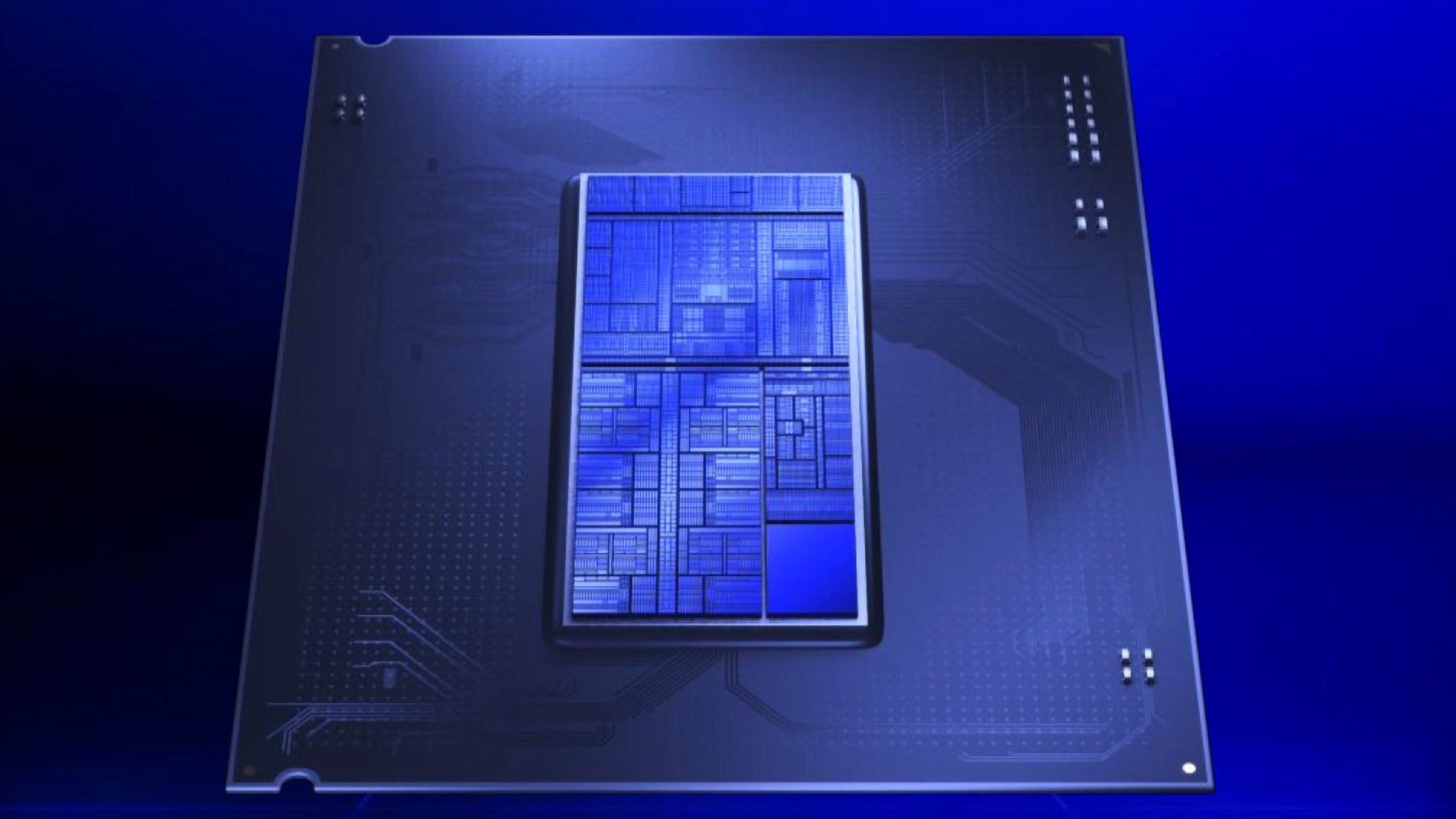
Intel has added product pages for two Core 200H processors that ship with integrated graphics disabled. The Core 7 230H and Core 5 205H are listed under Intel Core processors Series 2, but both are based on Raptor Lake mobile silicon rather than Arrow Lake.
The listings confirm that these chips launched in the first quarter of 2026. They had already appeared on MaxSun MoDT motherboards, which made their purpose clearer. These are mobile processors being used in board level desktop style designs, where integrated graphics may not be needed because the system is expected to use a discrete GPU.
The most important detail is the missing iGPU. Intel’s pages state “Integrated graphics disabled,” and the usual graphics specification section is absent. That makes these SKUs different from nearby Core 200H models, which keep Intel Graphics enabled with 48 or 64 execution units depending on the model.
This kind of configuration is not unusual for specialized systems. If a chip has a disabled or unnecessary graphics block, it can still be useful in boards that always pair the CPU with a separate graphics card. It may also help Intel make better use of silicon that does not fit standard mobile laptop configurations.
The Core 7 230H mirrors the Core 7 240H on CPU specs
The Core 7 230H is a 10 core and 16 thread processor with 6 Performance cores and 4 Efficient cores. It boosts up to 5.2 GHz and includes 24MB of Intel Smart Cache. Intel lists a 45W processor base power, 115W maximum turbo power, and 35W minimum assured power.
Those CPU specifications closely match the Core 7 240H. The main difference is that the Core 7 240H includes Intel Graphics with 64 execution units, while the Core 7 230H has integrated graphics disabled.
| Processor | Architecture family | Cores and threads | Max boost | Integrated graphics | Base power |
|---|---|---|---|---|---|
| Core 7 230H | Raptor Lake mobile | 10 cores, 16 threads | 5.2 GHz | Disabled | 45W |
| Core 5 205H | Raptor Lake mobile | 8 cores, 12 threads | 4.8 GHz | Disabled | 45W |
| Core 7 240H | Raptor Lake mobile | 10 cores, 16 threads | 5.2 GHz | 64 execution units | 45W |
| Core 5 210H | Raptor Lake mobile | 8 cores, 12 threads | 4.8 GHz | 48 execution units | 45W |
The Core 5 205H follows the same pattern. It has 8 cores and 12 threads, with 4 Performance cores and 4 Efficient cores. It reaches up to 4.8 GHz and includes 12MB of Intel Smart Cache. Its power range is also listed at 45W base and 115W maximum turbo power.
That makes it closely related to the Core 5 210H, which uses the same CPU configuration but keeps Intel Graphics enabled with 48 execution units.
These chips appear built for systems that already need discrete graphics
The disabled graphics block makes the Core 7 230H and Core 5 205H less suitable for ordinary laptops, where integrated graphics are often needed for display output, battery saving, media acceleration, and fallback use. Instead, these chips make more sense in compact desktops, embedded boards, and MoDT systems that are designed around a separate GPU.
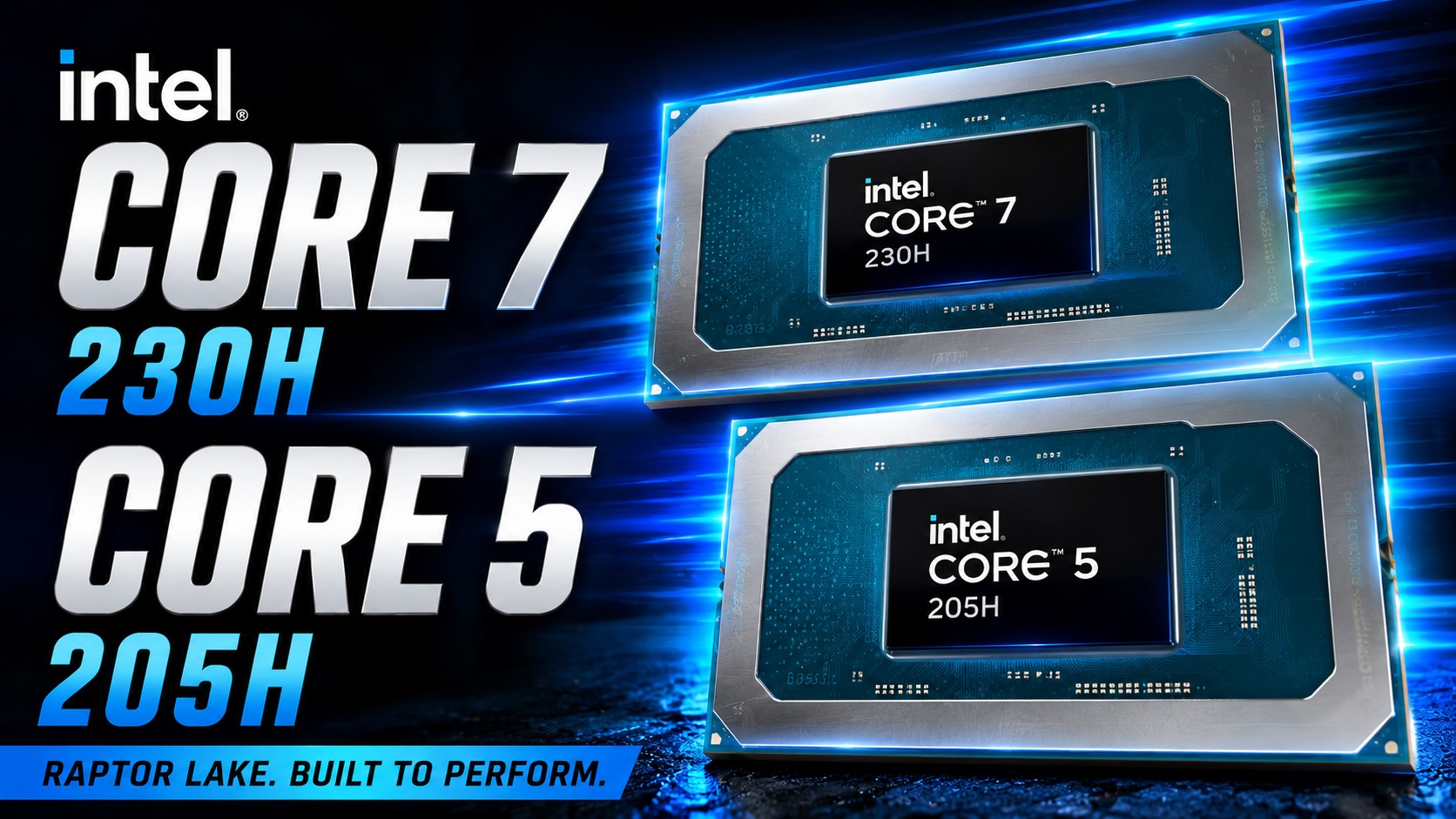
MoDT boards use mobile processors in desktop style motherboard formats. They can be attractive because mobile CPUs often offer strong efficiency and compact integration while still providing high boost clocks. In systems like that, a disabled iGPU may not be a major drawback if the board is already built for discrete graphics.
The decision also helps explain why these models sit inside the Core 200H family even though they are not Arrow Lake parts. Intel’s Core processor naming has become more complex, and Series 2 includes some refreshed Raptor Lake mobile chips alongside newer product families. That can make the lineup confusing for buyers who assume every Core 200 chip belongs to the same generation.
For anyone buying a system based on these CPUs, the key point is simple: do not expect integrated graphics. The system will need another graphics solution for display output unless the motherboard provides some other dedicated path.
Intel is still filling gaps with Raptor Lake mobile silicon
The Core 7 230H and Core 5 205H show how Intel continues to use Raptor Lake mobile silicon in 2026 for specific product needs. These are not flagship new architecture parts, but they still offer useful CPU configurations for systems where cost, availability, and board design matter more than having the latest graphics block.
The Core 7 230H gives system makers a 10 core option with high boost clocks and no active integrated GPU. The Core 5 205H offers a lower tier 8 core version with the same graphics disabled approach. Both retain 45W class power behavior and 115W maximum turbo power, which should make them familiar to vendors already building around Core H series chips.
The bigger takeaway is that Intel’s mobile CPU stack is becoming more segmented. Some chips are aimed at thin laptops, some at gaming notebooks, some at compact desktops, and some at specialty boards where integrated graphics are not required.
For buyers, the naming alone is no longer enough. A Core 200H label does not automatically tell you the architecture, graphics support, or intended system type. The full spec sheet matters.
These two processors are useful additions for manufacturers, but they are also a reminder to check the details carefully. The Core 7 230H and Core 5 205H may look close to other Core 200H chips on paper, but the disabled graphics make them a different kind of product, built for systems where a discrete GPU is expected from the start.



Discussion (0)
Be the first to comment.