



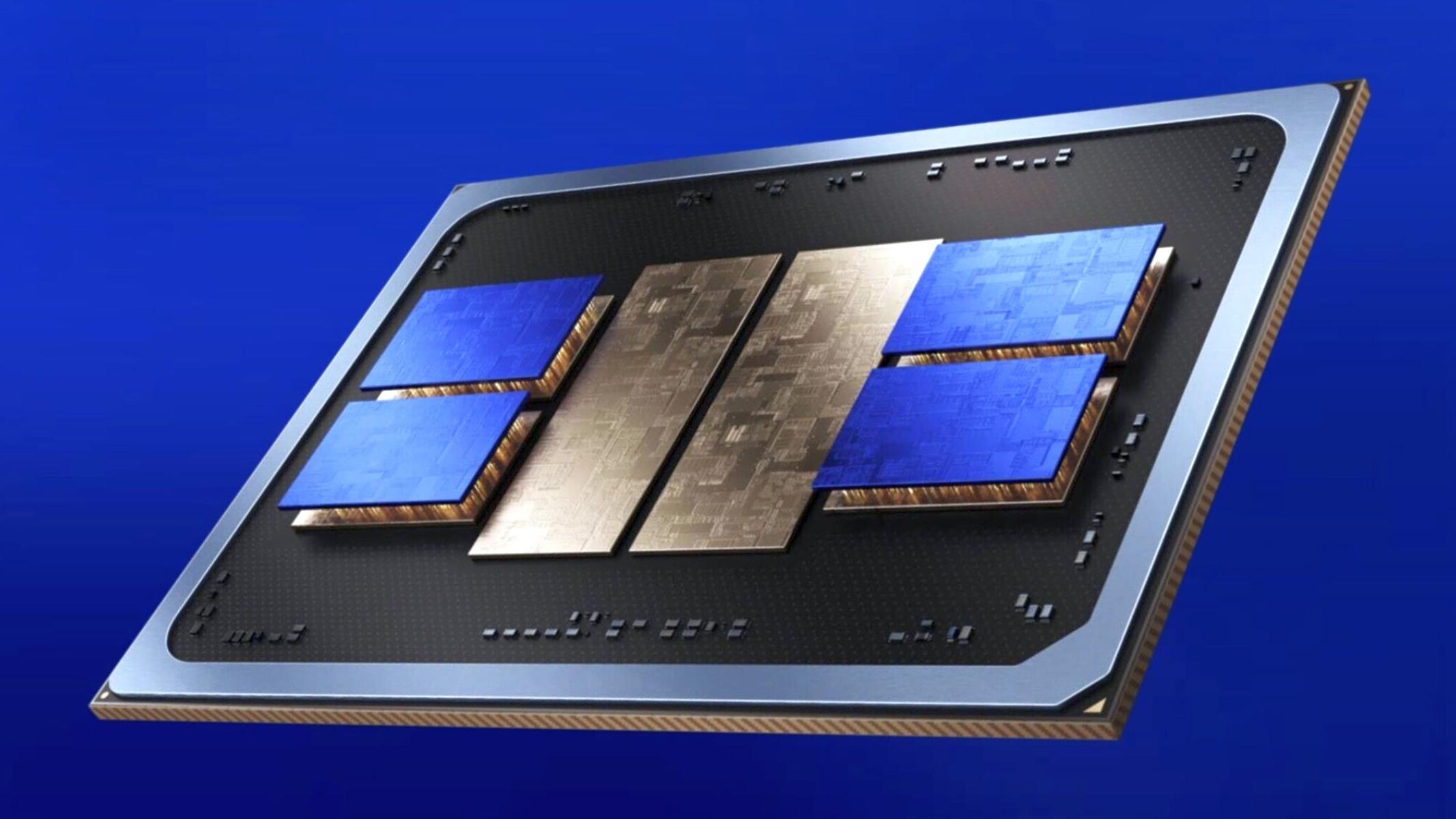
Intel's upcoming Diamond Rapids Xeon 7 processors could include a flagship model with as many as 256 performance cores, putting the company on equal footing with AMD's highest core count EPYC Venice processors.
The reported 256 core model has not been officially announced, so its final release is not guaranteed. However, current information suggests Intel is preparing a much larger P core configuration than previously expected for Diamond Rapids.
That would allow Intel to match AMD's 256 core EPYC 9996 on raw core count. The larger question will be whether Diamond Rapids can also compete in performance, efficiency and platform capabilities when it arrives.
Intel is currently expected to launch Diamond Rapids in 2027, while AMD's Zen 6 based EPYC Venice platform is already further along in its production schedule.
Diamond Rapids could move far beyond Granite Rapids
| Area | Diamond Rapids Xeon 7 | AMD EPYC Venice |
|---|---|---|
| Maximum reported core count | Up to 256 P cores | Up to 256 Zen 6 cores |
| Architecture | Panther Cove X | Zen 6 |
| Manufacturing process | Intel 18A P | 2nm |
| Expected launch | 2027 | Earlier than Diamond Rapids |
| Memory support | Up to 16 channel DDR5 9000+ | Platform dependent |
| PCIe support | PCIe 6.0 | Next generation server platform |
| Target market | Data center and enterprise | Data center and enterprise |
Intel's current Granite Rapids Xeon 6900P family reaches up to 128 P cores. Earlier expectations for Diamond Rapids pointed toward a roughly 50% increase in core density, which would have resulted in configurations around 192 cores.
The newly reported 256 core model would go further.
Diamond Rapids is expected to use Intel's Panther Cove X performance cores and the company's 18A P manufacturing process. It will also move to the Oak Stream platform and is expected to support up to 16 channels of DDR5 memory with speeds beyond 9000 MT/s.
PCIe 6.0 support is also planned, giving the platform more bandwidth for accelerators, storage and networking hardware.
Intel reportedly dropped much larger E core plans
Earlier Diamond Rapids planning was considerably more ambitious.
Intel had reportedly considered high density server products with 384 and even 512 cores. Those designs were expected to rely on efficiency cores rather than the P cores used by the main Diamond Rapids Xeon lineup.
The 512 core platform was reportedly cancelled during the planning stage, while the wider high density project was later reduced substantially.
As a result, Diamond Rapids now appears focused on P core based processors.
That makes the reported 256 core flagship especially important because Intel would still be able to compete at the highest core counts without relying on the cancelled high density design.
AMD still has an important timing advantage
Matching core count does not automatically mean matching overall server performance.
AMD's EPYC Venice family uses Zen 6 cores and includes both 192 core and 256 core configurations. AMD also has the advantage of bringing its new server generation to market earlier, while Intel's Diamond Rapids launch remains planned for 2027.
That gap gives AMD more time to establish Venice in cloud, enterprise and AI infrastructure deployments before Intel's competing platform becomes widely available.
Intel will therefore need to show strong gains in per core performance, power efficiency, memory bandwidth and total platform performance.
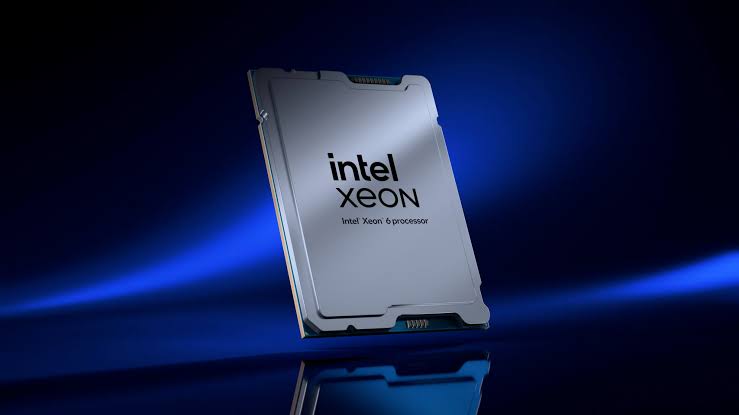
Competition is also expanding beyond AMD. NVIDIA and other companies are developing their own server CPUs for AI and cloud systems, increasing the number of alternatives available to large data center customers.
Diamond Rapids will still represent a major step for Intel if the 256 core model reaches production. Moving from 128 P cores on Granite Rapids to as many as 256 would significantly increase compute density while adding newer memory and I/O capabilities.
For now, the 256 core Xeon 7 should be treated as an expected configuration rather than a confirmed product. If Intel does release it in 2027, Diamond Rapids will be able to meet AMD EPYC Venice on core count, but Intel will still need to prove that the rest of the platform can close the competitive gap as well.



Discussion (0)
Be the first to comment.