



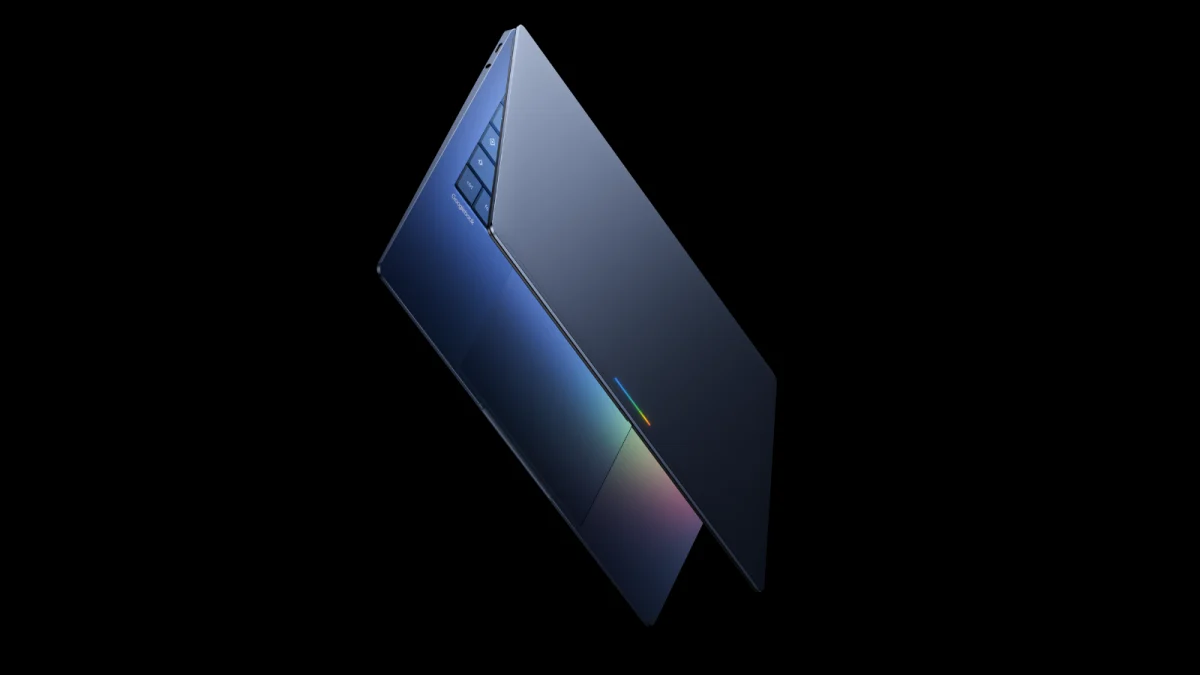
Intel has confirmed that it is working with Google on Googlebook, the new laptop platform built around Gemini Intelligence. The confirmation means at least some Googlebook devices will use Intel hardware, even though the platform is also expected to support ARM based chips from other companies.
Googlebook is being positioned as a new laptop category that blends Android, Google Play apps, ChromeOS style features, and Gemini powered tools. Google has already listed Acer, ASUS, Dell, HP, and Lenovo as launch partners, but it has not confirmed the processors that will appear in the first devices.
Googlebook is not an Intel only platform, but x86 hardware will be part of the launch plan
Intel says it is preparing premium and powerful devices designed for intelligence, with launch planned for this fall. That wording suggests Googlebook will not be limited to simple budget laptops. Instead, Google appears to be aiming for thin everyday machines that use Gemini features, Android app support, and tighter phone integration as major selling points.
One likely Intel option is Wildcat Lake, which is part of Intel’s Core Series 3 family for mainstream mobile systems. It is expected to offer up to 6 CPU cores in a 2P plus 4LP E configuration, Xe3 integrated graphics, and a low power design target. That kind of chip would fit thin and lower cost Googlebook models better than larger Core Ultra Series 3 processors.
| Googlebook detail | Current information |
|---|---|
| Main software focus | Gemini Intelligence, Android apps, Chrome features |
| Confirmed hardware partner | Intel |
| Other expected chip vendors | Qualcomm and MediaTek |
| Launch partners | Acer, ASUS, Dell, HP, Lenovo |
| Likely launch timing | Fall 2026 |
| Possible Intel chip family | Core Series 3 Wildcat Lake |
| Key features mentioned | Magic Pointer, custom widgets, Android phone integration |
The important point is that Googlebook should not be seen as an Intel exclusive project. Reports mention strict hardware requirements for processors, memory, storage, and keyboard layouts, while supported chip vendors are expected to include Intel, Qualcomm, and MediaTek. That means Googlebook could arrive in both x86 and ARM based designs.
This gives Google more flexibility. Intel based models could appeal to people who want traditional laptop performance and better compatibility with existing PC style workflows. ARM based versions could focus more on battery life, fanless designs, and mobile style efficiency.
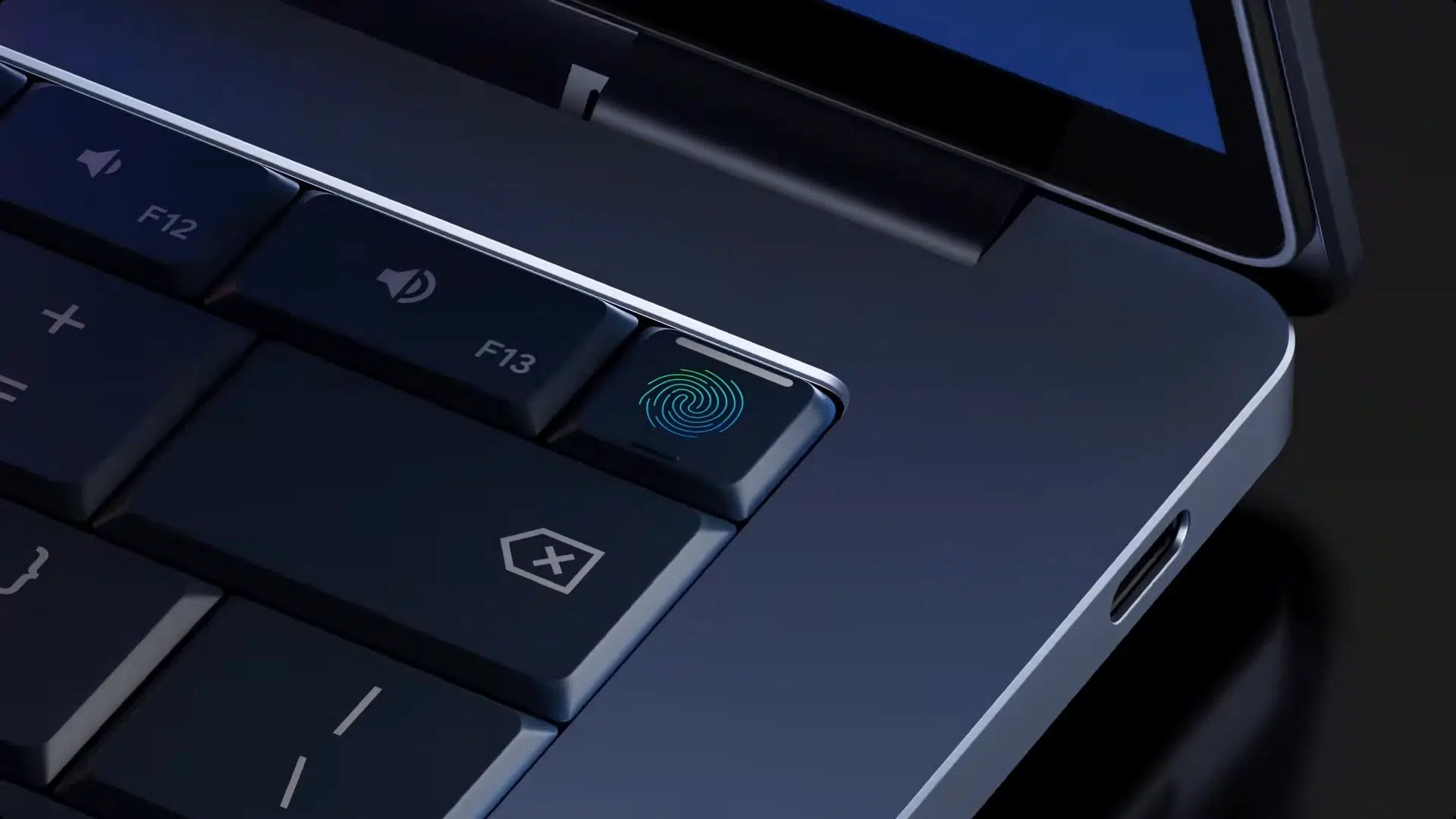
Googlebook also appears to be aimed at Apple’s upcoming MacBook Neo category. Apple’s laptop is expected to use the A18 Pro chip, focus on battery life and AI features, and sit below traditional MacBook models in price. Google’s answer seems to be a laptop platform built around Android apps, Chrome, Gemini, and close integration with Android phones.
That could make Googlebook more appealing than a normal Chromebook for people already deep in Google’s ecosystem. Android app support, Google Play access, phone features, custom widgets, and Gemini tools could make it feel closer to a phone connected laptop than a traditional ChromeOS notebook.
The challenge will be execution. Google has tried different laptop ideas before, and success will depend on pricing, performance, battery life, app quality, and whether Gemini features feel genuinely useful instead of just promotional. Hardware partners will also need to make devices that feel polished enough to compete with MacBooks, Windows laptops, and existing Chromebooks.
For Intel, the confirmation is still important. It shows that x86 processors remain part of Google’s next laptop push, even as ARM competition grows stronger. For Google, using multiple chip vendors could help Googlebook cover more price points and battery life targets.
More hardware details should arrive closer to the fall 2026 launch. For now, Intel’s confirmation makes one thing clear: Googlebook will not be only an Android style ARM laptop experiment. It will also include Intel powered designs as Google tries to build a new Gemini first laptop category.


Discussion (0)
Be the first to comment.