



Huawei has introduced a new high capacity SSD for AI inference and data center systems, with 61.44TB and 122.88TB models now listed and a 245TB version expected later. The important part is not only the size, but how Huawei reached that capacity while dealing with U.S. restrictions that limit its access to the most advanced 3D NAND chips.
The company is using a packaging method called Die on Board, or DoB, for its OceanDisk 1800 storage device. Instead of relying only on more advanced high layer NAND chips, Huawei mounts NAND dies directly onto the SSD’s printed circuit board. This lets the company fit more NAND into a smaller space and push capacity higher even when using less dense memory chips.
Die on Board packaging helps Huawei increase SSD capacity without the latest foreign NAND
Huawei faces a major supply problem because the most advanced high layer 3D NAND uses U.S. origin technology. Since Huawei was added to the U.S. Entity List in 2019, the company has been cut off from many American technologies and from foreign products made with U.S. input. That affects access to advanced NAND from companies such as Samsung and SK hynix.
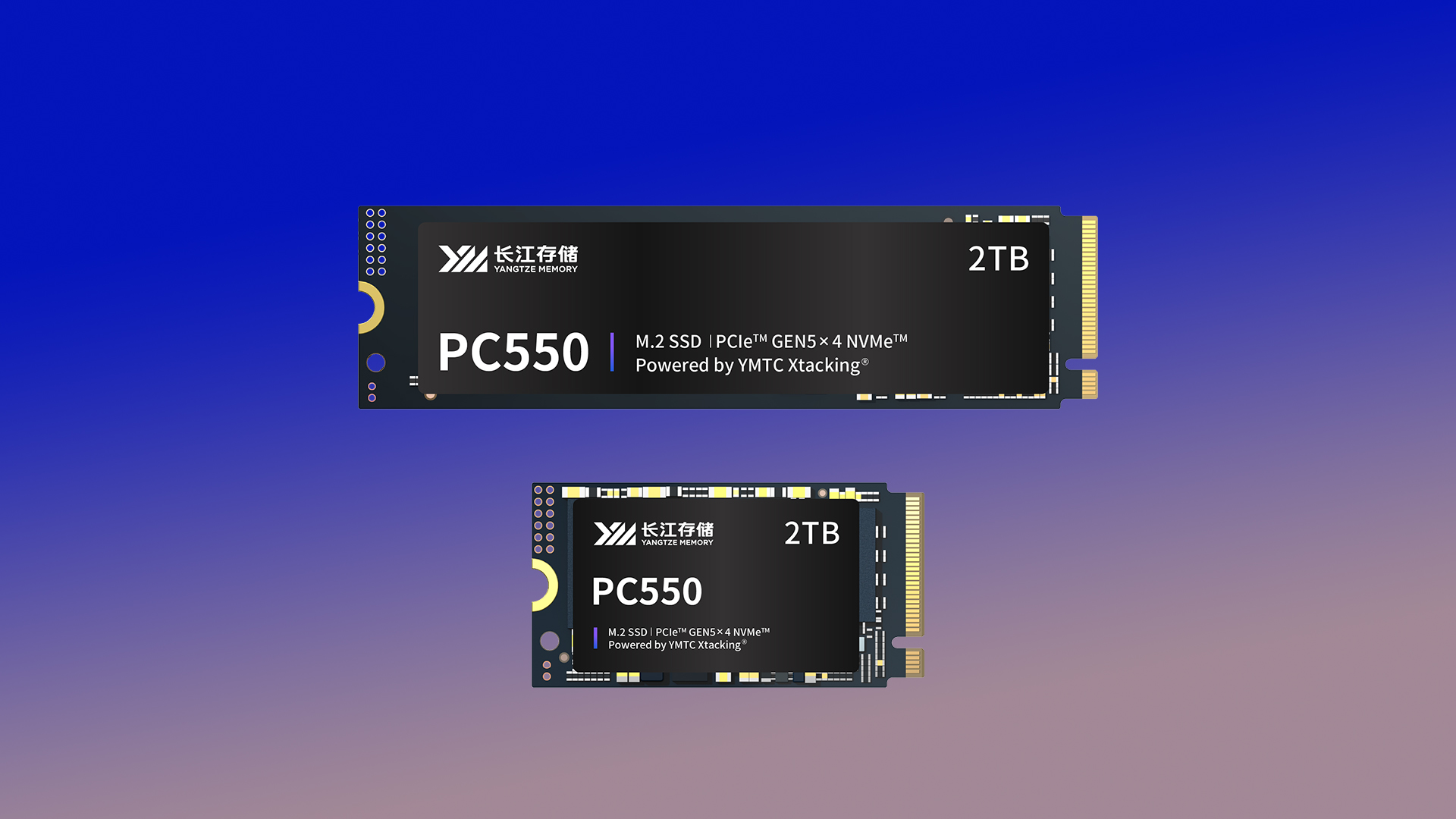
China’s YMTC does offer modern 3D NAND through its Xtacking 4.0 technology, but it is limited to 232 layers. That is behind leading NAND from companies such as Samsung, which has announced 3D NAND with more than 400 layers. Fewer layers usually means lower density, so Huawei had to find another way to build very large SSDs.
| Huawei SSD detail | What it means |
|---|---|
| Product | OceanDisk 1800 |
| Listed capacities | 61.44TB and 122.88TB |
| Future capacity | 245TB expected |
| Target market | AI inference and data centers |
| Packaging method | Die on Board |
| Main benefit | More NAND dies can fit on the PCB |
| Main reason | Helps work around limited access to high layer 3D NAND |
DoB packaging removes traditional NAND packaging and places the dies directly on the SSD board. This can increase density because the company is no longer limited in the same way by standard BGA or TSOP packaging. It can also reduce some packaging costs because it removes certain intermediate processes.
That does not mean the method is simple. Mounting NAND dies directly on the PCB creates challenges around heat, signal integrity, reliability, and manufacturing yield. Data center SSDs must work under heavy loads for long periods, so Huawei would need to solve these problems before the product can be trusted in real deployments.
The move shows how sanctions are pushing Chinese companies to change their engineering approach. Huawei cannot easily buy the best foreign NAND, so it is trying to use packaging and system design to make up for the gap. This mirrors what the company has done in AI hardware, where it sometimes uses larger or more power hungry clusters to compete with restricted Western systems.
The SSD also fits into a bigger Chinese technology strategy. As Beijing limits Nvidia hardware imports and U.S. controls continue to affect advanced chip access, Chinese AI companies are being pushed toward domestic alternatives. That could send more money to local chip and hardware firms, helping them invest in future research and reduce dependence on U.S. technology.
There are still open questions. Huawei has not proved that DoB can fully replace the benefits of denser NAND. Power use, long term endurance, serviceability, repairability, thermals, and production scale will matter. A 122TB SSD is impressive, but data center buyers will care just as much about reliability and total cost of ownership.
Even so, the OceanDisk 1800 is an important example of how hardware design is changing under trade pressure. Huawei is not matching foreign NAND leaders layer for layer. Instead, it is trying to work around the limitation by changing how NAND is packaged inside the SSD. If the approach works well, it could give Huawei and other Chinese firms a practical path to high capacity storage even without access to the most advanced global memory supply.


Discussion (0)
Be the first to comment.