




Discord has become one of the most popular platforms for online communication, but like any social platform, it is not immune to privacy invasions. Doxing, the act of researching and publicly sharing private information about an individual with malicious intent, represents a serious threat to online safety. This guide explores how someone might attempt to dox another person on Discord, provided strictly for educational purposes to help users understand and protect against these risks.
What is Doxing?
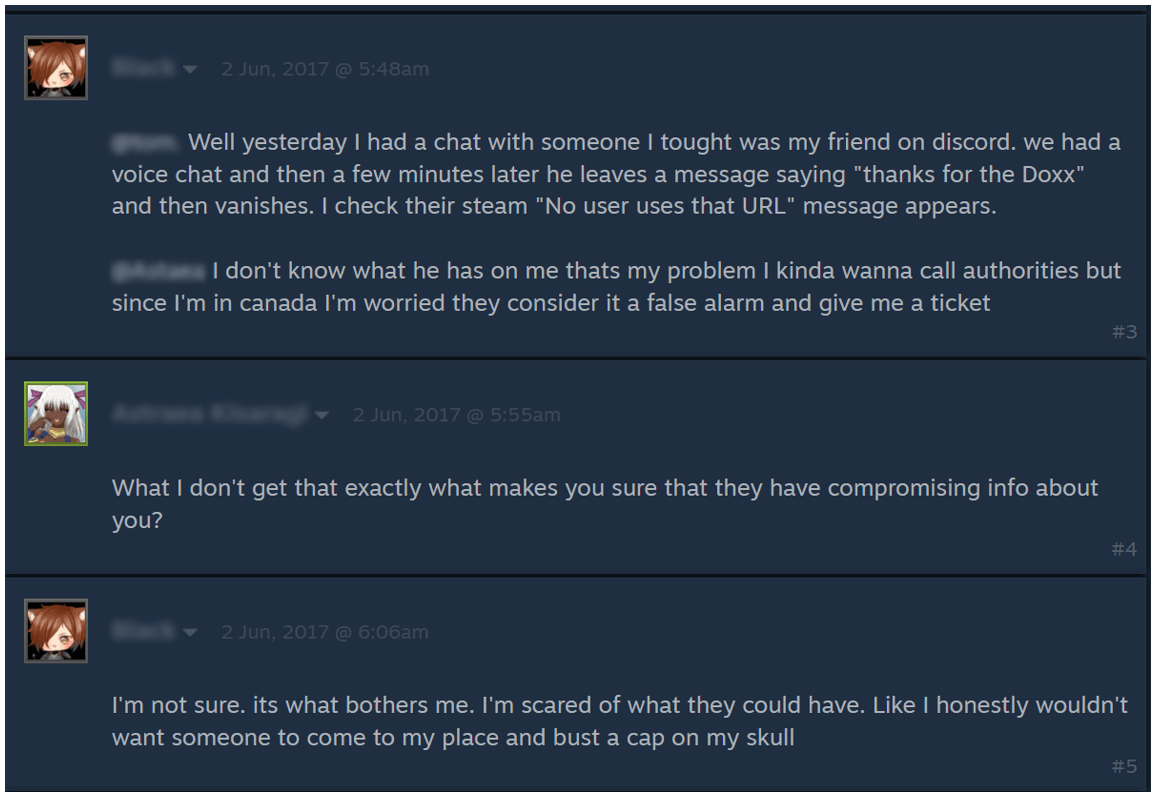
Doxing, derived from the word "docs" (meaning documents), refers to the malicious act of gathering and exposing someone's Personally Identifiable Information (PII) without their consent and with the intent to harm. This can include revealing details such as real names, home addresses, phone numbers, email addresses, and social media accounts. The primary objective is to breach an individual's privacy, potentially exposing them to harassment, stalking, identity theft, or real-world threats.
While doxing can occur offline, the digital realm has made it increasingly prevalent. Modern doxing often involves techniques like deep web searches, data breach analysis, and Open-Source Intelligence (OSINT) tools. Once collected, this information may be published on public forums or social media to cause maximum harm to the victim.
Why Would Someone Want to Dox Someone on Discord?

Understanding the motivations behind doxing can help users recognize potential risks. While never justified, common motivations include revenge for perceived wrongs, online harassment campaigns, personal vendettas, ideological conflicts, or even financial gain through identity theft. Some individuals dox others to gain a sense of power and control, exploiting personal information to manipulate or intimidate their targets.
Methods Used to Dox Someone on Discord
Gather Public Information
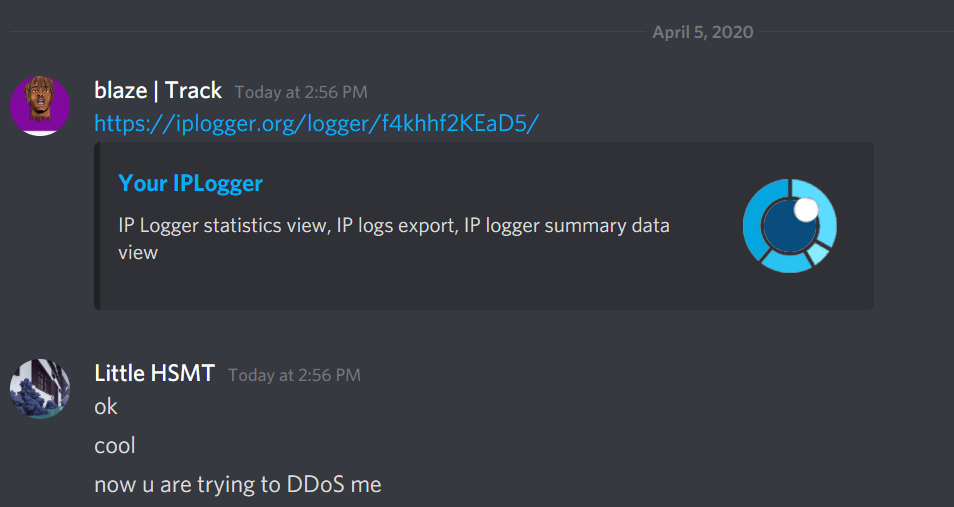
The initial phase of learning how to dox someone on Discord involves gathering publicly available information. This includes examining the target's Discord profile for any willingly provided details like username, avatar, bio, or linked social media accounts. Doxers then expand their search to social media platforms, online forums, personal blogs, public records, and online directories that might reveal additional personal details.
Search for Social Media Accounts
Finding connected social media accounts is a critical step in the doxing process. Attackers use techniques like username consistency checks across multiple platforms, reverse image searches on profile pictures, examining mutual connections, and searching for email addresses associated with social media accounts. These methods help build a more comprehensive profile of the target individual.
Use Search Engines
Search engines play a significant role in doxing attempts. Those learning how to dox on Discord use advanced search techniques including full name searches, username searches combined with relevant keywords, website-specific searches, and examination of news or media coverage. They may also access public records databases and archived websites to uncover historical information.
Use Open Source Intelligence (OSINT) Tools
Open-source intelligence tools represent a more advanced approach to gathering information for doxing purposes. These include social media analytics tools, data breach databases, Maltego for data relationship visualization, Recon-ng for automated information gathering, Shodan for internet-connected device discovery, and specialized search operators known as Google dorks. While these tools have legitimate security applications, doxers misuse them to compile extensive personal profiles.
Cross-reference Information
Effective doxing requires cross-referencing information from multiple sources to verify accuracy and reliability. This process involves comparing data from different channels, corroborating details through independent sources, identifying and filling information gaps, and ensuring data integrity by removing outdated or inconsistent information.
Verify the Information
Before publishing any information, doxers engage in verification processes. This includes consulting multiple independent sources, prioritizing primary sources over secondary accounts, fact-checking against reputable databases, analyzing social media consistency, and in some cases, attempting to contact the individual directly to confirm details.
Legal and Ethical Considerations
It is crucial to understand that doxing constitutes a serious violation of Discord's safety policies and may be illegal in many jurisdictions [citation:3]. Discord explicitly prohibits any activity that exposes users to harassment or real-world threats, and violations can result in account termination. Beyond platform penalties, doxing may lead to criminal charges for harassment, stalking, or invasion of privacy.
From an ethical perspective, doxing represents a severe breach of personal privacy and can cause significant emotional distress, reputational damage, and real-world harm to victims. The information in this article is provided strictly for educational purposes to help users understand these risks and implement appropriate protective measures.
Protecting Yourself from Doxing on Discord
Understanding how doxing works enables better protection against it. Essential protective measures include reviewing and tightening privacy settings on Discord and social media accounts, using unique usernames across different platforms, being cautious about sharing personal information in public channels, regularly auditing your online presence, and using two-factor authentication. If you suspect you're being targeted, document the evidence and report it to Discord's Trust & Safety team immediately.
Conclusion
While this article has explained the methods someone might use to dox another person on Discord, it is crucial to emphasize that doxing is both unethical and potentially illegal. The techniques described represent a serious misuse of information gathering that can cause substantial harm to victims. By understanding these methods, users can better protect themselves and contribute to a safer online environment. If you encounter doxing behavior on Discord, report it through official channels to help maintain community safety and respect for privacy.


Discussion (0)
Be the first to comment.