


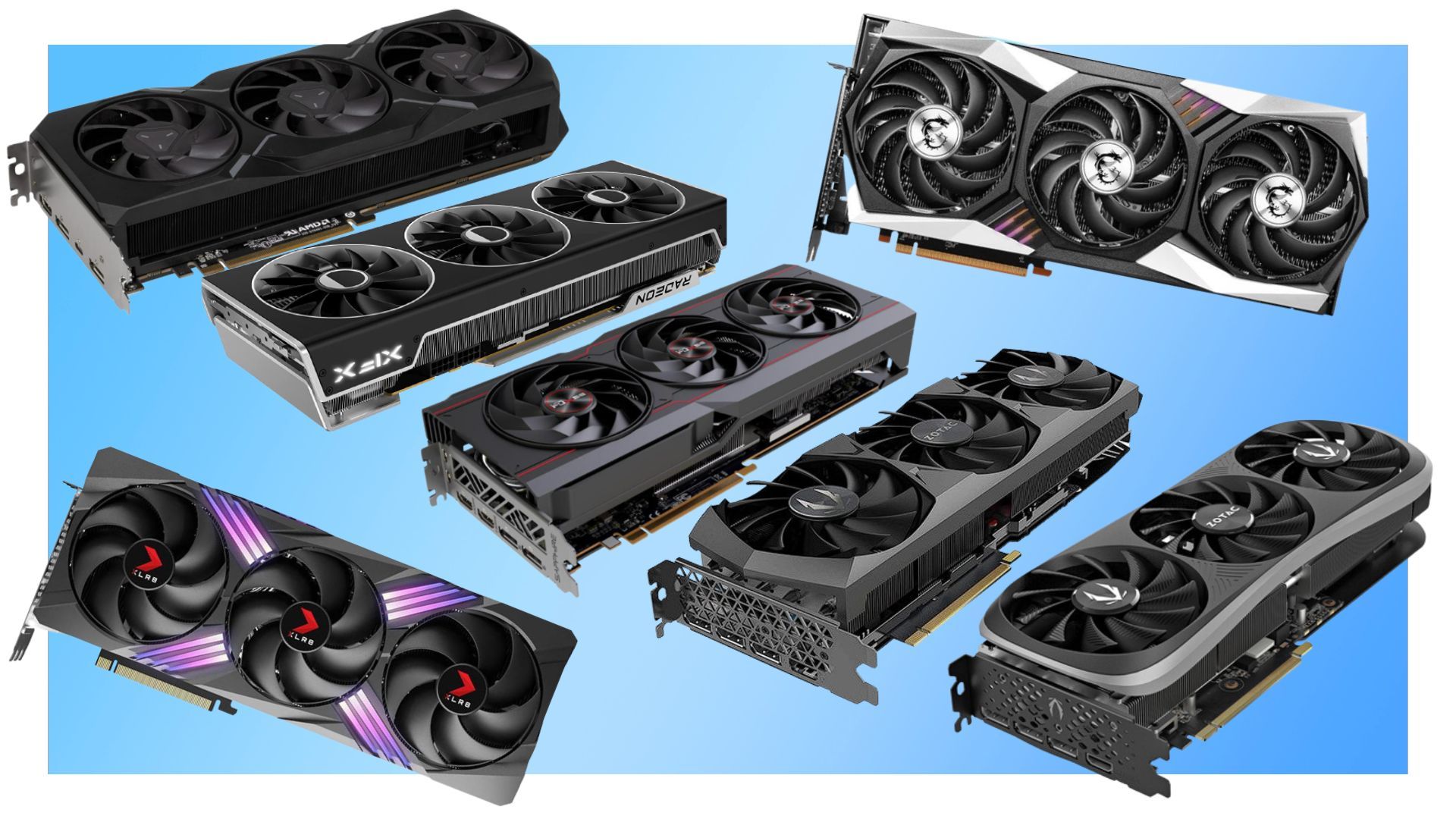
Graphics card prices in the United States continue to rise in October 2026, with NVIDIA, AMD, and Intel GPUs facing varying levels of availability and pricing pressure. Growing demand for memory from artificial intelligence infrastructure has made several current generation and older graphics cards considerably more expensive than their original launch prices.
NVIDIA's GeForce RTX 5090 is among the most expensive examples, with the lowest listed available price reaching $7,998, compared with its original $1,999 MSRP.
Other NVIDIA models, including the RTX 5080 and RTX 5070 Ti, have also climbed well above their suggested retail prices. AMD Radeon graphics cards are experiencing similar increases, although several models remain more affordable.
Intel's Arc lineup continues to provide some lower cost options, particularly for people building gaming PCs focused on 1080p performance.
NVIDIA RTX 50 Series Prices Are Far Above Their Launch Prices
NVIDIA's latest Blackwell graphics cards have experienced significant price increases, especially in the higher performance categories.
The GeForce RTX 5090, equipped with 32GB of GDDR7 memory, currently has a lowest listed price of $7,998 in the tracked US listings. That is approximately four times its original MSRP.
The RTX 5080 is listed at $1,869, while the RTX 5070 Ti has reached $1,189.
Even more affordable models are experiencing price increases, although the differences are generally smaller.
Here is how selected RTX 50 series models compare with their launch prices.
| Graphics card | Lowest listed US price | Launch MSRP |
|---|---|---|
| GeForce RTX 5090 | $7,998 | $1,999 |
| GeForce RTX 5080 | $1,869 | $999 |
| GeForce RTX 5070 Ti | $1,189 | $749 |
| GeForce RTX 5070 | $849 | $549 |
| GeForce RTX 5060 Ti 16GB | $765 | $429 |
| GeForce RTX 5060 Ti 8GB | $491 | $379 |
| GeForce RTX 5060 | $449 | $299 |
| GeForce RTX 5050 | $408 | $249 |
These figures represent the lowest available listings identified in the US market at the time of tracking. They are not necessarily prices offered directly by NVIDIA or major retailers.
The RTX 5090's unusually high price reflects the difficulty of finding available inventory, particularly as memory costs continue affecting premium graphics cards.
AI Data Centers Are Putting Pressure on GPU Memory Supply
One of the main reasons behind rising graphics card prices is growing demand for memory used in AI infrastructure.
Companies developing artificial intelligence systems require large quantities of memory for servers, accelerators, and data center equipment.
This demand has increased competition for memory manufacturing capacity, affecting components used in consumer graphics cards.
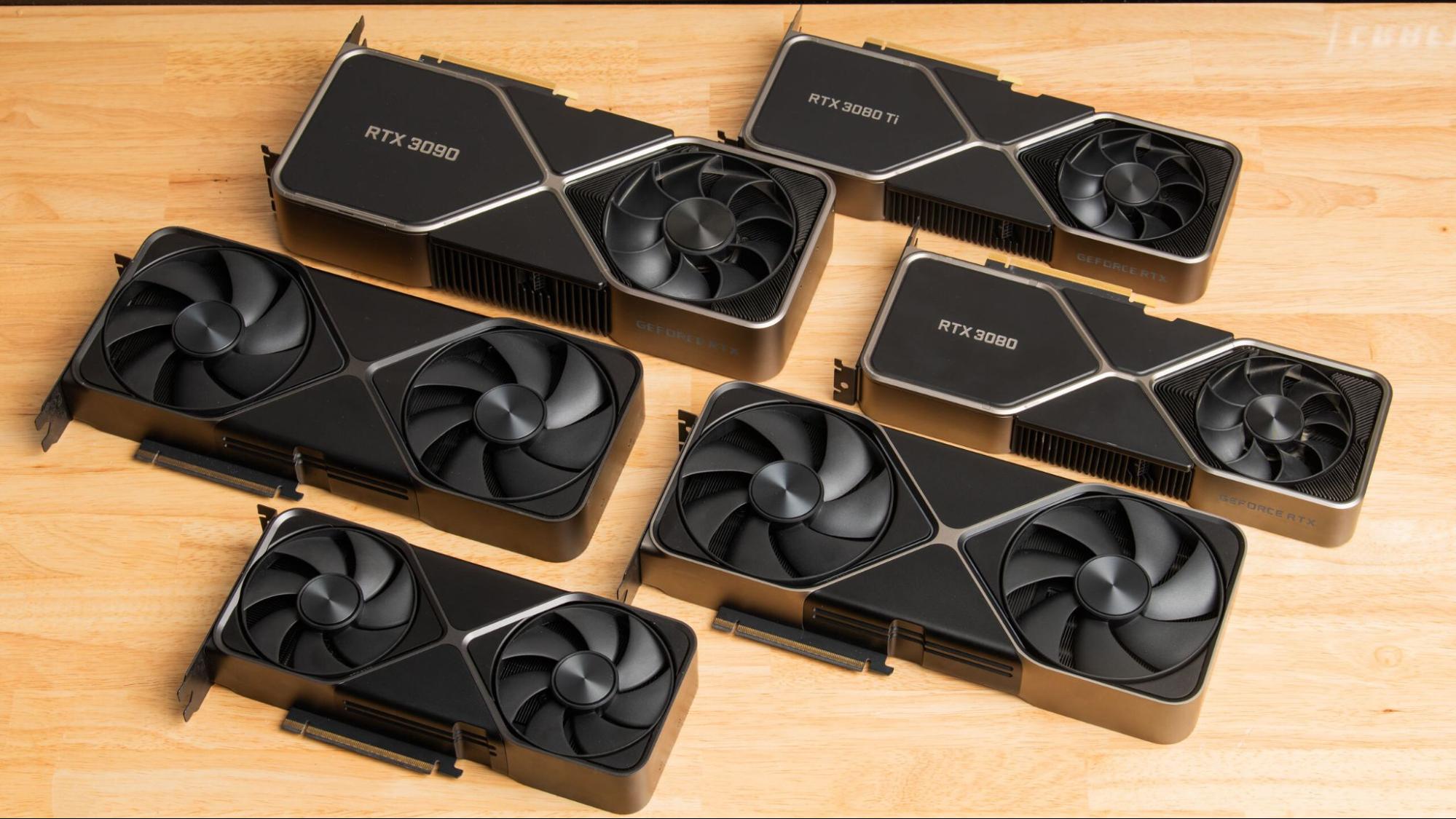
There are also reports that NVIDIA is prioritizing memory allocation based on potential revenue per gigabyte, although the company has not publicly confirmed the specific strategy described.
Graphics cards with large amounts of VRAM are particularly exposed to higher memory costs.
The RTX 5090 contains 32GB of GDDR7 memory, while several other high performance models require substantial memory capacity.
As component prices increase, manufacturers and retailers may raise selling prices or reduce the availability of less profitable configurations.
However, memory costs are not the only factor affecting retail pricing. Inventory shortages, distribution arrangements, and third party seller markups can also contribute to unusually expensive listings.
AMD Radeon RX 9000 Series Prices Are Increasing Too
AMD's Radeon RX 9000 series offers several alternatives to NVIDIA's current generation graphics cards.
The Radeon RX 9070 XT, equipped with 16GB of GDDR6 memory, currently has a lowest listed US price of $829, compared with its original $599 MSRP.
The standard RX 9070 is available from approximately $699, while the RX 9060 XT models remain relatively more affordable.
| Graphics card | Lowest listed US price | Launch MSRP |
|---|---|---|
| Radeon RX 9070 XT | $829 | $599 |
| Radeon RX 9070 | $699 | $549 |
| Radeon RX 9070 GRE | $579 | $549 |
| Radeon RX 9060 XT 16GB | $519 | $349 |
| Radeon RX 9060 XT 8GB | $459 | $299 |
AMD's latest RDNA 4 architecture delivers improvements in ray tracing and AI processing compared with its previous generation.
However, NVIDIA continues to offer advantages in some demanding ray tracing and path tracing workloads.
For people primarily interested in conventional gaming performance, AMD's products may still provide competitive alternatives depending on their current prices.
The 16GB versions could also be worth considering for games that require more memory at higher resolutions and texture settings.
By comparison, 8GB cards may face greater limitations as game memory requirements continue increasing.
Older NVIDIA RTX 40 Series Cards Are Still Expensive
Graphics cards from NVIDIA's previous Ada Lovelace generation have not escaped the pricing problems.
Several RTX 40 series models are no longer being manufactured, making new inventory increasingly difficult to find.
The GeForce RTX 4090 currently has a lowest listed price of $4,450, significantly above its $1,599 launch MSRP.
Other older models are also being offered at unusually high prices.
For example, the RTX 4080 Super is listed at $1,644, while the RTX 4070 Ti Super has reached $1,435.
The RTX 4060, originally launched at $299, is currently listed at $530.
These prices make several older cards difficult to recommend over newer alternatives, particularly when the newer models offer additional graphics technologies and ongoing product support.
Buyers should also be cautious when purchasing previous generation cards from third party sellers.
Some listings may involve previously used hardware, including cards that have been operated in cryptocurrency mining systems.
Intel Arc Graphics Cards Remain Among the More Affordable Options
Intel's Arc lineup continues to compete in the lower priced graphics card market.
The Arc B570 is currently listed at $289, while the older Arc A750 can be found for approximately $209.
The Arc A380 is available at around $159.
Here is a comparison of the tracked Intel Arc prices.
| Graphics card | Lowest listed US price | Launch MSRP |
|---|---|---|
| Intel Arc B580 | Out of stock | $250 |
| Intel Arc B570 | $289 | $219 |
| Intel Arc A770 16GB | $399 | $349 |
| Intel Arc A750 | $209 | $289 |
| Intel Arc A580 | Out of stock | $179 |
| Intel Arc A380 | $159 | $149 |
Intel has improved Arc graphics performance through frequent driver updates, addressing several compatibility and performance problems.
However, some older DirectX games can still perform less consistently than on competing graphics hardware.
The Arc B580 offers 12GB of VRAM, while the B570 includes 10GB, making them potentially interesting options for budget gaming systems.
Availability remains limited, though, with the B580 currently out of stock in the tracked listings.
Some Older AMD Radeon Cards Are Also Difficult to Find
AMD's Radeon RX 7000 series continues to offer capable gaming performance, but availability and pricing have become increasingly inconsistent.
The Radeon RX 7900 XTX and RX 7900 GRE are currently unavailable in the tracked listings.
Meanwhile, the RX 7900 XT is listed at approximately $1,195, significantly higher than its original $749 MSRP.
The RX 7800 XT is available from around $798, while the RX 7700 XT has reached $749.
These increases reduce the appeal of purchasing some previous generation graphics cards, particularly when current generation alternatives may offer better features at comparable prices.
However, the RX 7000 series remains capable of running modern games, especially in workloads that do not rely heavily on advanced ray tracing.
Finding a suitable discount could still make certain models worthwhile.
Checking GPU Prices Carefully Is More Important in 2026
The current graphics card market presents several challenges for people upgrading or building gaming PCs.
Prices can differ considerably between manufacturers, retailers, and individual listings.
The lowest advertised price may also come from a third party seller rather than an established retailer.
This makes checking the seller's reputation, warranty coverage, return policy, and product condition particularly important.
It is also worth comparing older graphics cards against their current generation alternatives before purchasing.
A previous generation model may appear attractive based on its original performance, but unusually high retail prices can make newer hardware a more sensible purchase.
For budget gaming, Intel Arc and selected AMD Radeon models currently provide some of the more accessible options.
High performance graphics cards remain considerably more expensive, with NVIDIA's RTX 5090 demonstrating how dramatically prices can increase when demand and limited inventory affect the market.
With AI infrastructure continuing to consume substantial memory production capacity, the timing of a broader GPU price recovery remains uncertain.
Discussion (0)
Be the first to comment.