




Google’s AI powered search system recently produced an incorrect answer claiming that Flock Safety license plate cameras contain valuable amounts of gold and copper, apparently after treating internet jokes as factual information.
The response reportedly said that a single camera could contain up to five grams of gold and between two and 23 pounds of copper.
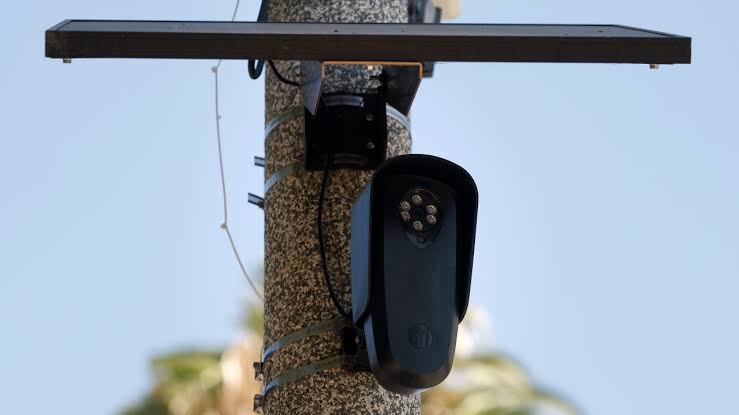
Those figures were clearly unrealistic. The camera itself weighs only about three pounds, making the higher copper estimate physically impossible.
Google has since changed the result and now explains that the claims originated from online memes rather than reliable technical information.
What Google’s AI reportedly claimed
| Claim | Reality |
|---|---|
| Up to 5 grams of gold in one camera | Unsupported |
| 2 to 23 pounds of copper | Impossible at the upper end given device weight |
| Scrap value of $150 to $500 | Based on unreliable online claims |
| Source of information | Internet memes and questionable posts |
| Current Google response | Corrected to reject the claims |
Electronic devices can contain small quantities of valuable metals in components such as circuit boards, but the amounts involved are generally far below what the original AI response suggested.
Online jokes appear to have caused the error
The false information grew out of online jokes about Flock Safety cameras.
Flock operates automated license plate recognition systems that can capture vehicle information and make it available through law enforcement databases.
The technology has attracted criticism from privacy and civil liberties groups, leading some online communities to create satirical posts about the cameras.
One recurring joke suggested that the devices were filled with valuable metals and could be taken apart for scrap.
Google’s AI Overview appears to have interpreted some of those posts as genuine technical information.
The reported answer presented the figures without making clear that they came from satire or unverified sources.
Weak sources contributed to the misleading answer
The information behind the response reportedly included an anonymous online article claiming that a camera could contain between $150 and $500 worth of recyclable material.
Another cited source was an AI generated social media post.
Neither provided a reliable technical basis for estimating the actual materials inside the camera.
The incident demonstrates how generative search systems can produce convincing answers even when their underlying evidence is weak.
A model can identify patterns across many pages, but it still needs reliable context to distinguish factual reporting from jokes, speculation or intentionally false claims.
Google has already corrected the result
The same search now produces a substantially different answer.
Google currently rejects the idea that Flock cameras contain pounds of copper and explains that the claims came from online memes and previous AI generated misinformation.
The correction reduces the chance that people searching for the same question will encounter the earlier false figures.
However, the episode also creates an unusual feedback loop.
Reports about the original AI error are now among the sources that can be used to explain why the claim is false.
Similar AI Overview problems have happened before
This is not the first time Google’s AI search feature has treated an internet joke as practical advice.
An earlier example involved a suggestion to add non toxic glue to pizza to stop cheese from sliding off.
That answer was linked to an old joke posted online rather than a legitimate cooking recommendation.
Both incidents involve a similar problem: text that makes sense only when its original context is understood can become misleading when an AI system extracts and summarizes it as factual advice.
AI search still needs stronger source evaluation
The Flock camera incident highlights a broader challenge for AI based search products.
Finding relevant text is not enough. A reliable system also needs to evaluate whether a source is credible, whether a statement is physically plausible and whether the original material was intended as satire.
Basic reasoning could have exposed at least part of the problem in this case. A claim that a three pound camera contains as much as 23 pounds of copper should immediately trigger additional verification.
Google has corrected the specific result, but similar errors remain possible whenever generative systems rely on low quality or context dependent material. As AI generated summaries become a larger part of search, source quality and basic fact checking remain essential.



Discussion (0)
Be the first to comment.