



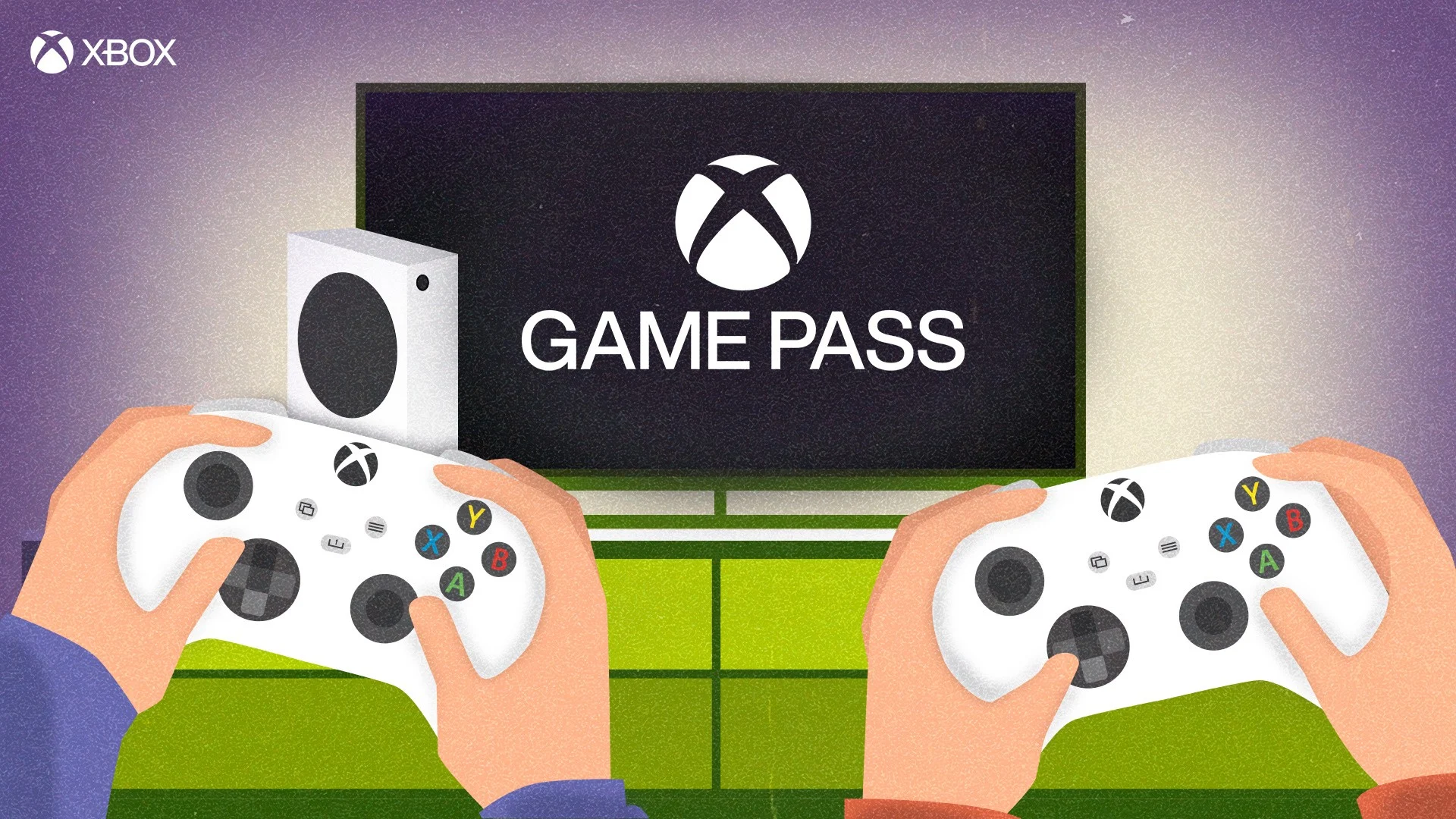
A new gaming audience report suggests younger players are becoming less interested in buying full price games, and that shift could work in Xbox Game Pass’ favor.
The report says 62 percent of Gen Z respondents no longer buy full price games. Instead, younger audiences are becoming more comfortable rotating through games and subscriptions, much like they already do with music, movies, and TV through services such as Spotify and Netflix.
That does not mean game ownership is going away. Many players still buy games they love, especially physical collectors, fans of specific franchises, and people who want long term access without relying on a subscription. But the report points to a clear behavior change among younger audiences.
Games are expensive, and $70 releases already feel hard to justify for many people. If $80 games become more common, more players may decide that subscriptions are safer. Paying a monthly fee to try several games can feel easier than spending full price on one game you may not enjoy.
That is where Game Pass fits. Microsoft has spent years building the service around day one releases, indie discovery, cloud gaming, PC access, and a rotating library. For some players, it is not only a cheaper way to play. It is also a way to discover games they might never buy separately.
Here is why the shift matters:
| Trend | Why it helps Game Pass |
|---|---|
| Fewer full price purchases | Subscriptions lower the upfront cost of trying games |
| Higher game prices | $70 and possible $80 games make monthly access more appealing |
| Discovery habits | Younger players are used to feeds, algorithms, and rotating content |
| Indie growth | Game Pass can help smaller games find an audience |
| Subscription comfort | Gen Z already uses subscriptions for music, shows, and other media |
The report also notes that subscriptions are no longer always about loyalty. Many people subscribe for a specific show, game, or short term benefit, then cancel when they are done. Game Pass may follow the same pattern, with players joining for a major release, leaving later, and returning when the next game interests them.
That creates both an opportunity and a problem for Xbox. Game Pass can benefit from changing habits, but Microsoft still needs to keep the service valuable enough that people stay subscribed or keep coming back. That means strong first party games, good indie additions, useful perks, and fair pricing.
Xbox may have been early to this shift. For years, Game Pass was treated as a risky experiment. Now, if younger players really are moving away from full price purchases, Microsoft’s bet looks more logical.
Game Pass is not the answer for everyone. Some people prefer owning games, and that remains important. But for players who want flexibility, lower upfront costs, and a steady flow of things to try, the service fits the way gaming habits are changing.

Discussion (0)
Be the first to comment.