



EXODUS is being designed around meaningful choices that cannot all be completed in a single run, with Archetype Entertainment confirming that players will not be able to fully max out their character or see every piece of optional content during one playthrough.
The upcoming science fiction RPG launches on April 7, 2027 for PC, PlayStation 5, Xbox Series X, and Xbox Series S.
Archetype says EXODUS will include at least six combat companions, flexible character builds, romance options regardless of gender, a morality system built around two independent paths, and major story decisions that can reshape your home city after years have passed through Time Dilation.
| Feature | Current details |
|---|---|
| Release date | April 7, 2027 |
| Platforms | PC, PS5, Xbox Series X and S |
| Combat companions | At least six |
| Active companions in combat | Two |
| Full skill tree in one playthrough | Not possible |
| Character respec | Mostly supported |
| Companion respec | Supported |
| Romance restrictions by gender | None |
| Morality paths | Paladin and Immortal |
| New Game Plus | Not confirmed |
| Difficulty modes | At least three or four planned |
Your Final Squad Can Change Based on Your Decisions
Companions are intended to have their own motivations, goals, and relationships rather than simply following the player without consequence.
Archetype says your decisions can affect how companions feel about you and one another.
The developers stopped short of explaining every possible outcome, but confirmed that the group of companions you finish the game with may differ from the squad another player reaches the ending with.
At least six companions can participate directly in combat. Other important characters, including people who remain aboard your ship or serve story functions, are also considered part of the wider crew.
You choose two companions to accompany you into combat.
During longer missions, way stations can allow you to swap them if their abilities are not working well against the enemies ahead.
Each companion has a defined combat role and a skill tree that lets you adjust that role.
Suliman, for example, is designed around stealth, while Elise and her mech focus more heavily on direct damage and explosive combat.
Archetype describes this system with the idea that your team effectively becomes part of your loadout.
You Cannot Unlock Every Character Upgrade in One Run
EXODUS will include a level cap, although the studio has not announced the final number.
More importantly, players will not earn enough points during one playthrough to fully complete the character skill tree.
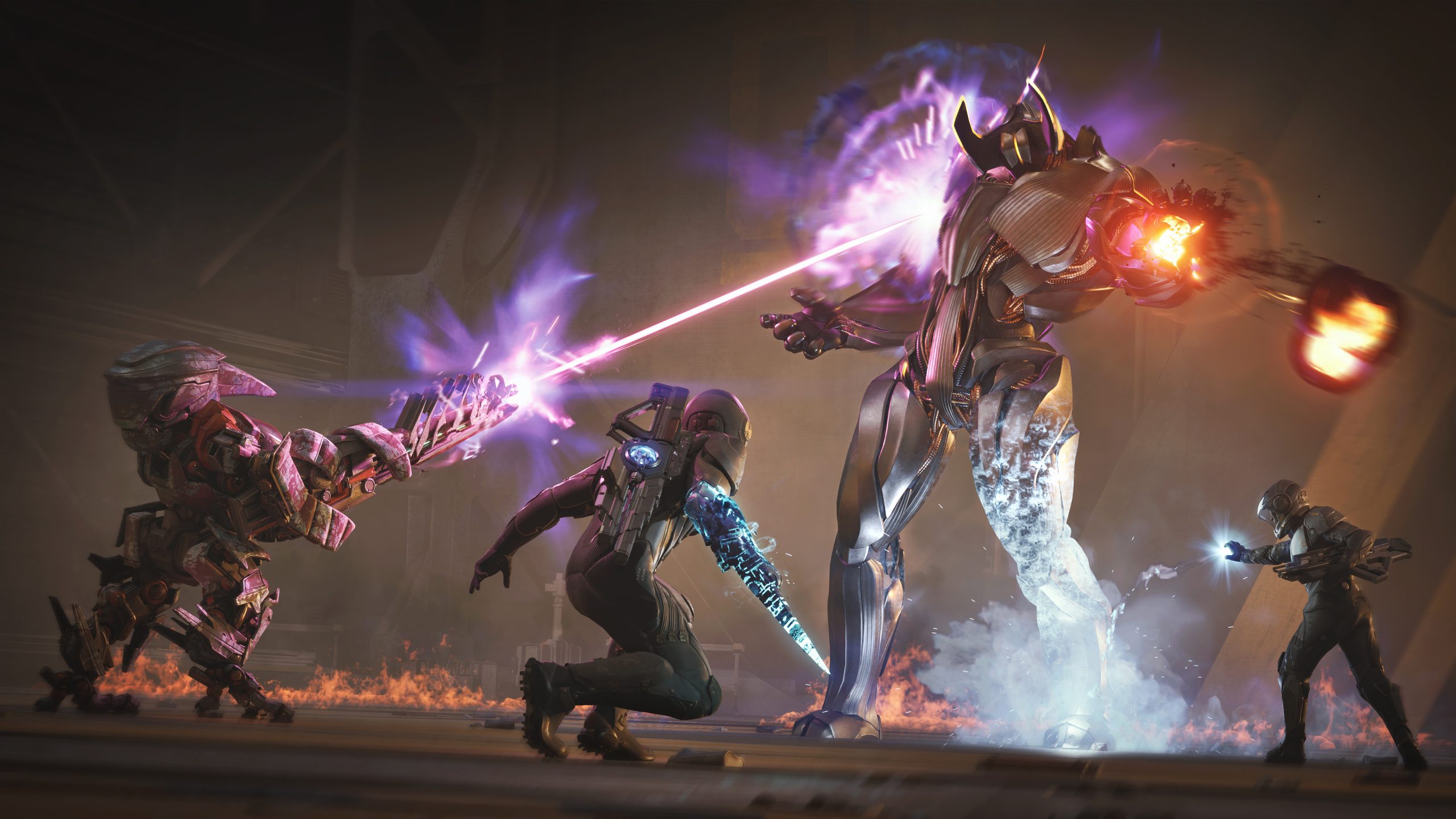
That forces you to decide which abilities and upgrades matter most for your preferred playstyle.
The game will support respec options for both the player and companions.
Some elements connected to the Oath system will have restrictions because they are tied to major choices, but most other upgrades can be changed.
Archetype has not committed to New Game Plus.
The developers said it is something they may want to add later, but the current design expects players who want to explore different builds to start another playthrough.
Paladin and Immortal Are More Than Good and Evil Choices
EXODUS includes two major morality paths called Paladin and Immortal.
The developers say this is not intended to function as a simple good versus evil system.
The Paladin path is focused on preserving humanity and qualities such as empathy.
The Immortal path represents greater acceptance of Celestial technology and evolution beyond traditional human limits.
The two paths use independent progression values, meaning gaining points in one does not remove progress from the other.
You can also mix abilities from both rather than being permanently locked into one philosophy.
Gameplay upgrades can influence these values alongside dialogue and narrative choices.
Time Dilation Makes Decisions Play Out Over Years
One of EXODUS's central systems is Time Dilation.
Certain missions called an Exodus involve leaving your home system and travelling far enough that many years can pass for the people left behind.
Before departing, you may need to secure allies, resources, or political arrangements because conditions could change significantly before you return.
When you come back to Persepolis, the consequences of earlier decisions may have developed over years.
Archetype is supporting this with a breakpoint system.
Jun can glimpse possible future outcomes during important choices, giving you limited information about how a decision might develop.
Upgrades can reportedly improve this ability.
Not every mission involves Time Dilation. Local missions within the same system can take place without major time shifts.
Missions Use an Open Linear Structure
EXODUS is not being designed as a conventional open world.
Archetype describes its main missions as wide linear or open linear.
Each mission has a defined objective, but environments contain alternative routes, optional encounters, hidden content, and areas away from the main path.
Persepolis acts as the more open central hub.
When you return, new side quests, companion interactions, vendors, and story consequences can appear.
Some optional content is also dependent on earlier choices.
That means a single playthrough will not contain every side quest or every possible story branch.
Romance Requires Active Player Choices
Romance is another major part of the companion system.
Archetype says romance options are not restricted by the player's chosen gender.
Relationships also will not begin automatically.
You will have to actively pursue a character and make choices that develop the relationship.
Attempting multiple romances may be possible, but companions can react differently depending on the situation.
The developers suggest some combinations may work while others can create conflict.
Crafting, Salvage and Gear Support Different Builds
Gear will play a significant role in character progression.
Players can find equipment from elite enemies, purchase suits from vendors, upgrade weapons, and collect rare Celestial salvage.
Salvage can be exchanged in Persepolis for upgrades and equipment.
Regular scrap has a different purpose and is mainly used to craft ammunition and other resources.
Way stations can also produce items such as health packs and combat abilities during missions.
The game includes equipment with different levels of rarity or importance, although Archetype is not using the usual common, epic, and legendary terminology.
One example shown during the Khonsu mission was the Dragonlance suit, described as an exotic crafted item.
Bosses Will Test Newly Acquired Abilities
Boss fights are expected to appear regularly.
The studio says most missions will contain a significant enemy encounter, although not necessarily every mission.
These fights are designed to test mechanics introduced earlier.
In the Khonsu mission, for example, players gain a Petrify glyph before eventually fighting the War Bear.
That boss acts as a test of whether you have learned how to use the new ability effectively.
Different companions may also perform better against different bosses, encouraging players to think about squad composition before major encounters.
EXODUS is therefore being built around replayability through character progression, companion outcomes, morality choices, romance, and optional content rather than allowing one run to expose everything.
Archetype has not announced the total campaign length, but says the game will include a shorter critical path alongside a substantial amount of optional content for players who want to explore more of its universe.


Discussion (0)
Be the first to comment.