



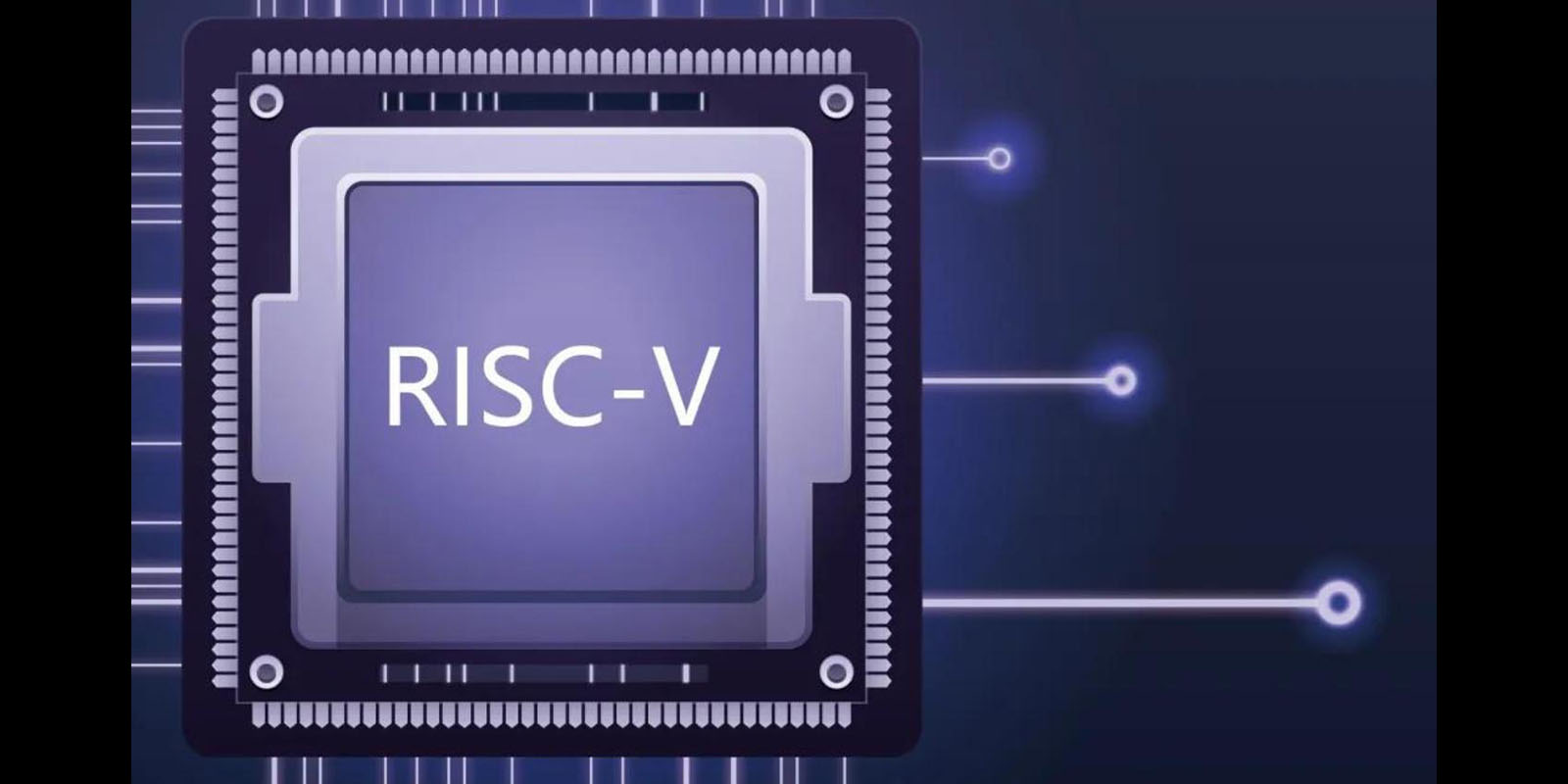
RISC-V continues to attract investment and technical interest, but its practical position in enterprise data centers remains limited compared with Arm and Intel's x86 architecture.
That gap became part of the discussion in the ongoing legal dispute between Qualcomm and Arm, where Delaware federal judge Maryellen Noreika questioned whether RISC-V currently represents a meaningful competitive alternative.
During testimony about the competitive pressure facing Arm, the judge challenged the idea that RISC-V already acts as a significant constraint on the company. The exchange ultimately highlighted how little penetration the open instruction set has achieved in enterprise data centers despite years of development and industry attention.
Judge Questions Whether RISC-V Is a Practical Alternative Today
The discussion came during testimony from Timothy Simcoe, who appeared as a rebuttal witness for Arm.
Simcoe argued that Arm faces long term competitive pressure from both x86 and RISC-V. He also pointed to Qualcomm's investment in Ventana as evidence that RISC-V could become a more important alternative.
Judge Noreika questioned that argument, focusing on what customers can actually use today.
According to the account of the proceedings, she argued that practical CPU architecture competition currently comes primarily from Arm and Intel's x86 ecosystem. Simcoe acknowledged that RISC-V adoption in enterprise data centers remains at an early stage, aside from emerging designs from companies including Alibaba.
| Architecture | Current position described in the case |
|---|---|
| Arm | Major commercially established CPU architecture |
| x86 | Major established alternative led by Intel and AMD |
| RISC-V | Growing technology with limited enterprise data center adoption |
| Alibaba XuanTie C950 | Recent server class RISC-V example aimed at edge AI |
The judge also questioned whether Arm's potential competitors should be considered a meaningful market constraint simply because unreasonable behavior from Arm could encourage customers to invest in alternative technologies.
Simcoe agreed that this future investment incentive formed part of his argument.
Qualcomm and Arm Remain Locked in a Wider Licensing Dispute
The current case is part of a longer legal conflict between Qualcomm and Arm.
Tensions increased after Qualcomm bought Nuvia for $1.4 billion in 2021. Nuvia had been developing Arm based CPU cores, and the acquisition helped Qualcomm accelerate work on its Oryon processors.
Arm argued that Nuvia's Architecture License Agreement could not automatically transfer to Qualcomm and that a new agreement or separate approval was required.
Qualcomm maintained its own Architecture License Agreement with Arm, which remains valid until 2033. Judge Noreika ultimately sided with Qualcomm's position in that earlier dispute.
Qualcomm later filed a separate case against Arm in 2024, raising several additional allegations.
The company claims Arm failed to provide architectural verification tools, software patches and chip testing support that Qualcomm says were required under existing agreements.
Qualcomm has also accused Arm of violating most favored nation pricing terms, interfering with a potential Meta chip agreement and demanding excessive royalties for its next generation Arm v10 architecture.
Those claims remain part of the wider legal proceedings.
RISC-V Is Still Making Technical Progress
The court discussion does not mean that RISC-V development has stopped.
Alibaba introduced its XuanTie C950 in March 2026 as a server grade 64 bit RISC-V processor aimed at edge AI workloads.
The chip includes 64 compute cores on a single piece of silicon and can scale to clock speeds of up to 3.20 GHz.
Its architecture groups the cores into eight core clusters connected using high speed AMBA CHI fabrics.
Alibaba has also integrated matrix and vector acceleration engines directly into the processor, allowing it to handle certain AI workloads without relying on a separate GPU.
That design shows that companies are developing increasingly capable RISC-V hardware.
However, individual processors do not necessarily translate into broad enterprise adoption.
Ecosystem Remains RISC-V’s Biggest Challenge
The larger issue is the software and hardware ecosystem surrounding the instruction set.
Arm and x86 benefit from mature development tools, operating system support, enterprise software compatibility, established server platforms and years of commercial deployment.
RISC-V still needs to build comparable infrastructure before it can compete at the same level in enterprise data centers.
That difference helps explain why the architecture can appear promising from a technical perspective while still having limited influence on purchasing decisions today.
The court discussion therefore focused less on whether RISC-V can eventually compete and more on whether it currently provides customers with a realistic substitute for Arm or x86.
For now, the evidence presented in the case suggests that it does not have that scale in enterprise computing.
RISC-V development could continue to expand through projects such as Alibaba's XuanTie C950 and other commercial designs. Reaching the level where it can meaningfully pressure Arm and x86, however, will require broader hardware availability, software support and enterprise adoption.

Discussion (0)
Be the first to comment.