



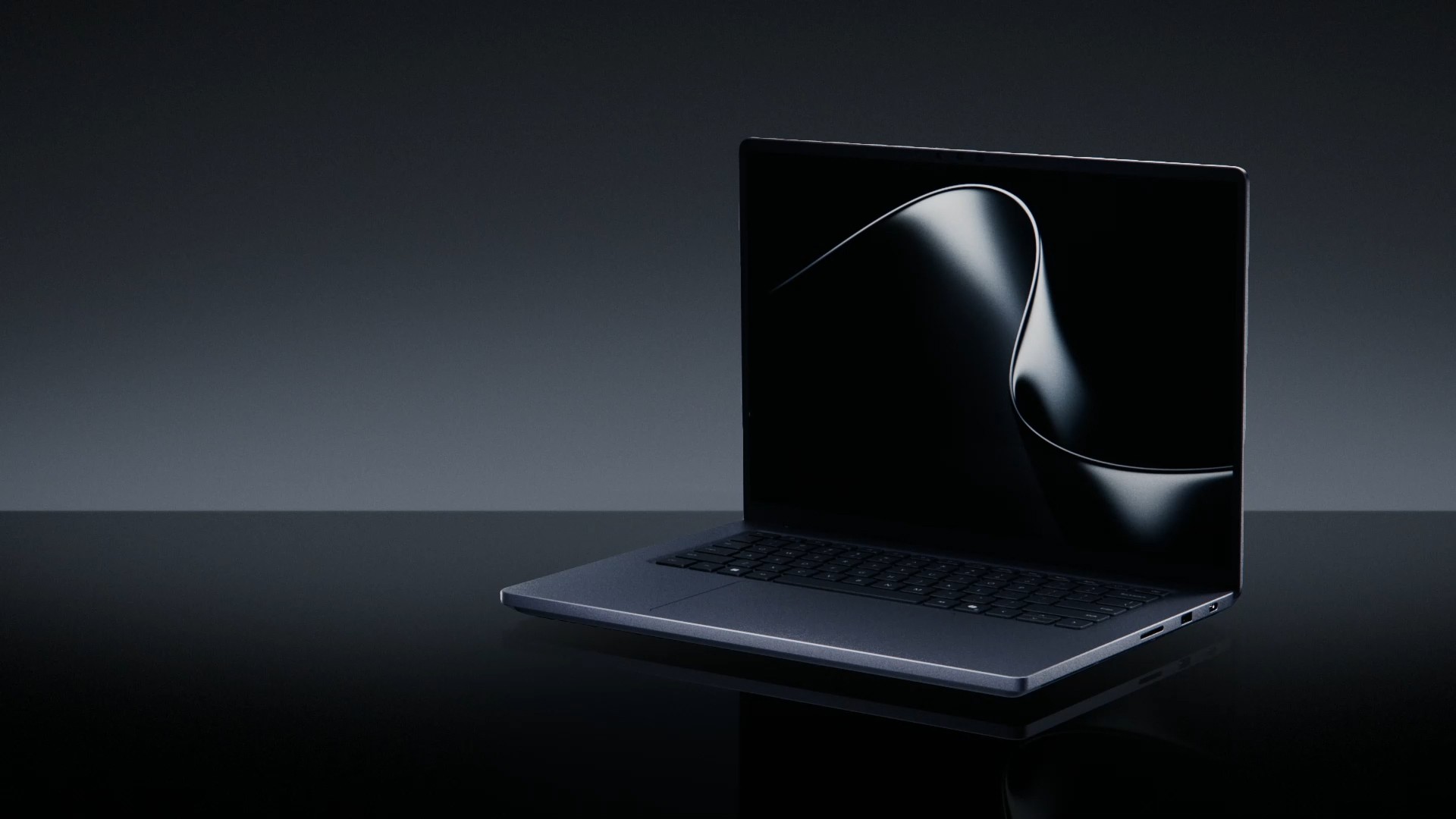
Rising prices for processors, memory and storage are putting increasing pressure on laptop manufacturers, and the impact could become more visible in 2027 through higher retail prices, weaker specifications or reduced profit margins.
According to recent industry research, CPUs, DRAM and SSDs together accounted for about 68% of the bill of materials for a mainstream $900 notebook during the third quarter of 2026.
That leaves laptop makers with increasingly limited room to absorb further component price increases.
Laptop Makers Face Three Difficult Choices
Manufacturers essentially have three options if CPU, memory and SSD costs continue rising.
They can increase laptop prices and pass the additional expense to customers, absorb the higher costs and accept lower profit margins, or reduce hardware specifications to keep products within existing price categories.
Each approach creates a different problem.
| Option | Main consequence |
|---|---|
| Raise retail prices | Could weaken consumer demand |
| Absorb higher costs | Reduces manufacturer margins |
| Cut specifications | Makes products less competitive |
| Improve supply chain efficiency | May reduce some costs but cannot fully offset component inflation |
For a mainstream $900 notebook, having nearly seven tenths of its build cost concentrated in only three component categories means even relatively small price increases can have a noticeable effect on the final economics of the product.
CPU pricing is now adding to pressure already being created by expensive DRAM and SSDs.
Notebook Shipments Could Fall in 2027
Global notebook shipments are currently expected to decline by a low single digit percentage in 2027.
However, the outlook could become significantly worse if processor and memory prices remain high.
Under a less favorable pricing scenario, shipments could decline by a high single digit percentage as manufacturers pass more of their costs on to customers.
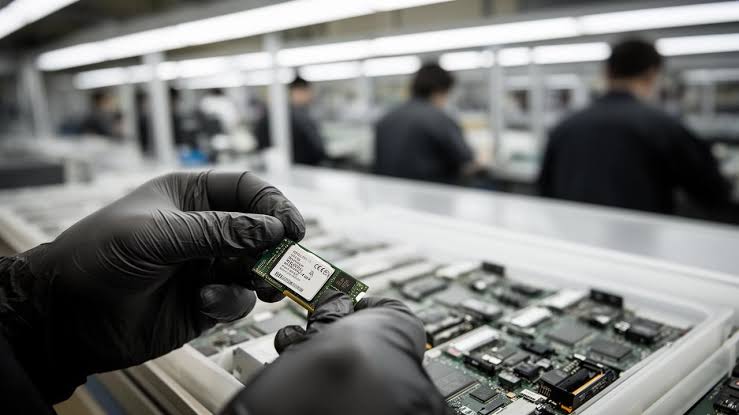
Higher prices would make upgrades harder to justify, especially for buyers who replaced notebooks earlier than usual during 2026.
The first half of this year benefited from improved processor availability, early component purchases by manufacturers and demand being pulled forward from later quarters.
That helped support notebook shipments temporarily, but it may not represent a sustainable recovery.
Some buyers effectively made purchases earlier than planned, reducing the number of potential customers available later in the year.
Cheap Inventory Is Starting to Run Out
Another challenge is the gradual depletion of lower cost inventory.
Manufacturers that secured components before the latest price increases have been able to delay some of the impact.
As those inventories are exhausted, newly produced notebooks will increasingly depend on components purchased at current higher prices.
This could make upcoming notebook generations more expensive even if their performance improvements are relatively modest.
It also creates difficult decisions for manufacturers trying to maintain familiar price points such as $700, $900 or $1,000.
Reducing memory capacity, using smaller SSDs or choosing lower tier processors could help control pricing, but such changes would make new systems less attractive compared with older discounted models.
Manufacturing Strategies Could Also Change
Rising component prices are only part of the problem.
Production and supply chain management expenses are also increasing, which could push manufacturers to reconsider where notebooks are assembled.
The report projects that the share of global notebook production outside China could decline from 24% in 2025 to 21% in 2026 and potentially fall below 20% afterward.
That suggests manufacturers may increasingly prioritize locations where production and logistics costs are easier to control.
The broader outlook remains difficult for the notebook market.
CPU, DRAM and SSD prices are taking up an unusually large portion of the cost of building a mainstream laptop, while demand is already showing signs of weakness.
If those component costs stay elevated through 2027, buyers may face more expensive notebooks, weaker specifications at existing price points, or both.



Discussion (0)
Be the first to comment.