



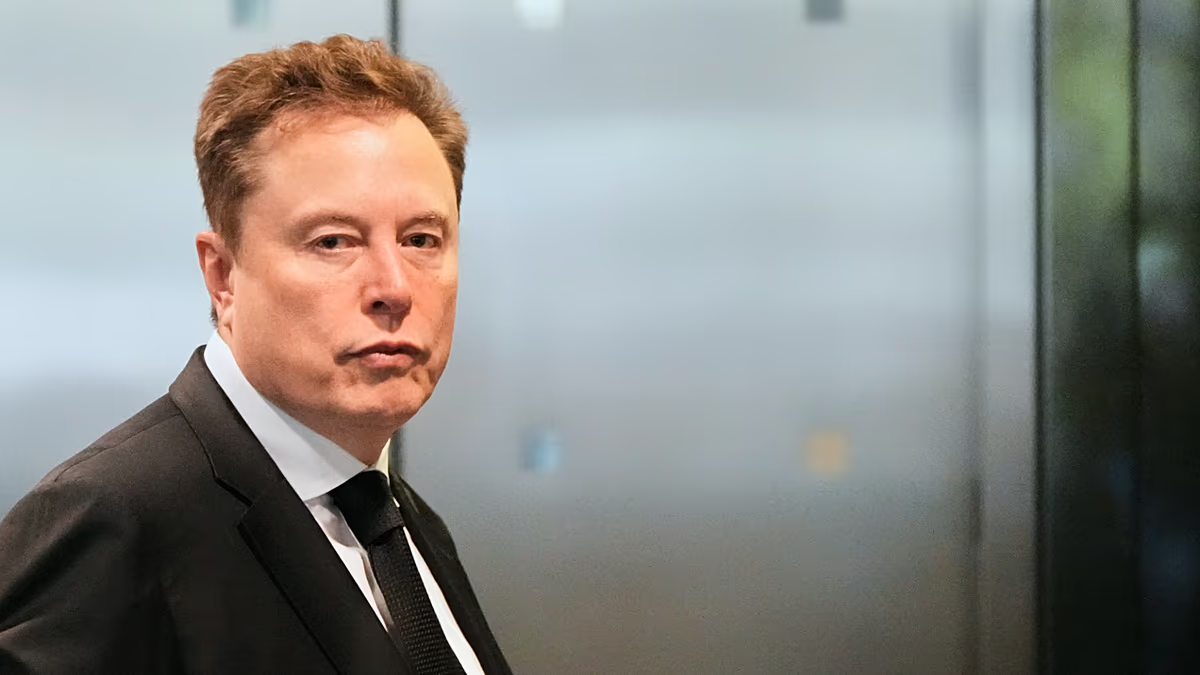
Elon Musk has acknowledged that he does not yet know how to manufacture advanced semiconductors, even as his companies explore ambitious plans to build more chip production capacity through the proposed Terafab project.
Speaking during a discussion with Tesla Owners Silicon Valley, Musk said he has a significant amount to learn about semiconductor manufacturing. His comments come only weeks after he predicted that China could overcome major limitations in lithography and chip production within the next two or three years.
Musk remains confident that his team can eventually develop the necessary expertise, but he also indicated that building the manufacturing system he has in mind could take several years.
Terafab Could Start With Existing Semiconductor Equipment
Musk's current idea is not to design an entirely new semiconductor production system from the beginning.
Instead, he said the project could initially rely on conventional chip manufacturing equipment before modifying the machinery to increase wafer throughput.
| Area | Musk's current position |
|---|---|
| Semiconductor expertise | Says he still has much to learn |
| Initial equipment | Conventional industry machinery |
| Longer term approach | Modify or create equipment at production bottlenecks |
| Main goal | Increase wafer throughput |
| Manufacturing model | Masks, fabrication and packaging under one roof |
| Expected development period | Potentially several years |
One element that caught Musk's attention is the similarity of equipment used across major semiconductor manufacturers.
He said factories operated by companies such as Samsung, Intel and TSMC rely on many of the same categories of manufacturing tools.
His proposed approach would therefore begin with existing equipment, identify production bottlenecks and then develop specialized machinery where higher throughput could be achieved.
The longer term concept is to create an iterative production environment where mask development, semiconductor fabrication and packaging can all take place within the same broader operation.
Musk believes repeatedly refining that process could eventually improve production speed and efficiency.
Terafab Remains an Early Stage Project
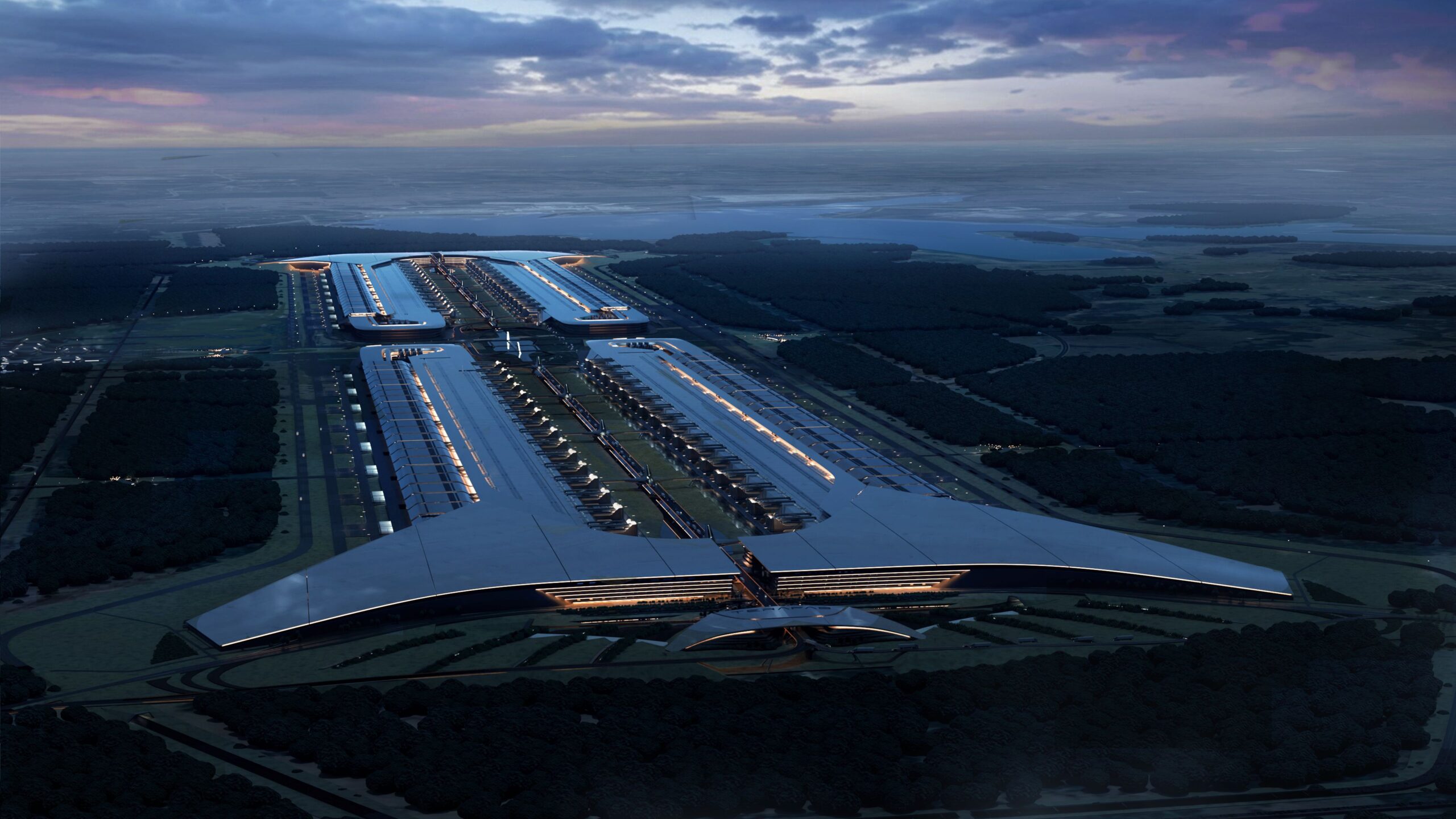
The proposed Terafab has attracted growing attention because Musk's companies are expected to require increasingly large quantities of advanced chips for artificial intelligence, vehicles and other computing workloads.
Reports have also raised questions about whether TSMC could participate in the project.
Musk's recent comments suggest any involvement from the Taiwanese semiconductor manufacturer may be more limited than a traditional manufacturing partnership. He has indicated that TSMC could potentially act as a lessor rather than becoming directly responsible for operating the project.
No finalized arrangement has been announced.
The scale of the challenge also remains significant. Modern semiconductor manufacturing requires specialized equipment, advanced materials, experienced engineers and highly controlled manufacturing environments.
Musk's acknowledgment that the process will require substantial learning reflects the complexity of moving from purchasing chips to manufacturing them directly.
Musk Recently Predicted Faster Chinese Chip Progress
The comments also provide additional context to Musk's recent statements about China's semiconductor industry.
In late September, he predicted that China could overcome current limitations surrounding lithography and chip manufacturing within roughly two or three years.
Those restrictions have become increasingly important as Chinese companies attempt to build competitive processors without unrestricted access to some of the world's most advanced semiconductor manufacturing technology.
Musk's latest remarks do not directly reverse that prediction, but they show that he recognizes the difficulty involved in developing semiconductor manufacturing expertise.
Musk Also Discusses the Risks of Poor AI Training Data
The conversation also moved beyond semiconductor manufacturing into artificial intelligence.
Musk described becoming deeply absorbed in AI generated content during 2026 and referred to experiencing what he called "AI or SI psychosis" several times. His wording should not be interpreted as a confirmed medical diagnosis. He was describing his own experience while discussing how convincing AI generated videos and music have become.
He said some AI generated music videos now demonstrate what he considers a form of taste, including an ability to create material that resonates emotionally with viewers.
Musk also argued that the quality and consistency of training data will be critical as AI systems become more capable.
According to him, providing a model with contradictory fundamental principles can create problems because the system may be asked to reason from assumptions that cannot logically coexist.
His broader argument is that increasingly capable AI systems will require reliable information and internally consistent training principles if they are expected to produce coherent results.
The semiconductor discussion remains more immediately relevant to Musk's industrial plans. Terafab represents an attempt to bring more of the computing supply chain under the control of his companies, but his latest comments make clear that the project is still at an early stage and that mastering advanced chip production will require considerably more work.


Discussion (0)
Be the first to comment.