



DDR5 memory prices in Germany have climbed sharply again, with the average price index reaching 486% of July 2025 levels in August 2026.
That means a typical DDR5 kit now costs close to 4.9 times as much as it did just over a year ago, based on pricing data collected from German retailers.
The increase continues a difficult period for PC builders, particularly anyone trying to assemble a lower cost system. After some relative stability earlier in the year, DDR5 prices began rising again and have accelerated as the market moves closer to the fourth quarter of 2026.
DDR5 price index reaches 486%
| Period | DDR5 price index versus July 2025 |
|---|---|
| July 2025 | 100% |
| July 2026 | 445% |
| August 2026 | 486% |
The latest data shows the average index moving from 445% in July to 486% in August.
Higher capacity kits appear to be among the most affected. 64GB, 48GB and 32GB DDR5 kits recorded double digit increases over recent weeks, while only a small number of products avoided another major jump.
Even many of the less affected kits remain above 400% of their July 2025 pricing levels.
High capacity memory kits are seeing the biggest increases
The latest increases are particularly difficult for buyers who need more memory for gaming, content creation, workstation use or local AI workloads.
A 32GB kit has increasingly become a common choice for modern gaming and productivity PCs, while 48GB and 64GB configurations are becoming more relevant for heavier workloads.
That means the sharpest price increases are landing on capacities that many higher end and professional buyers are actively considering.
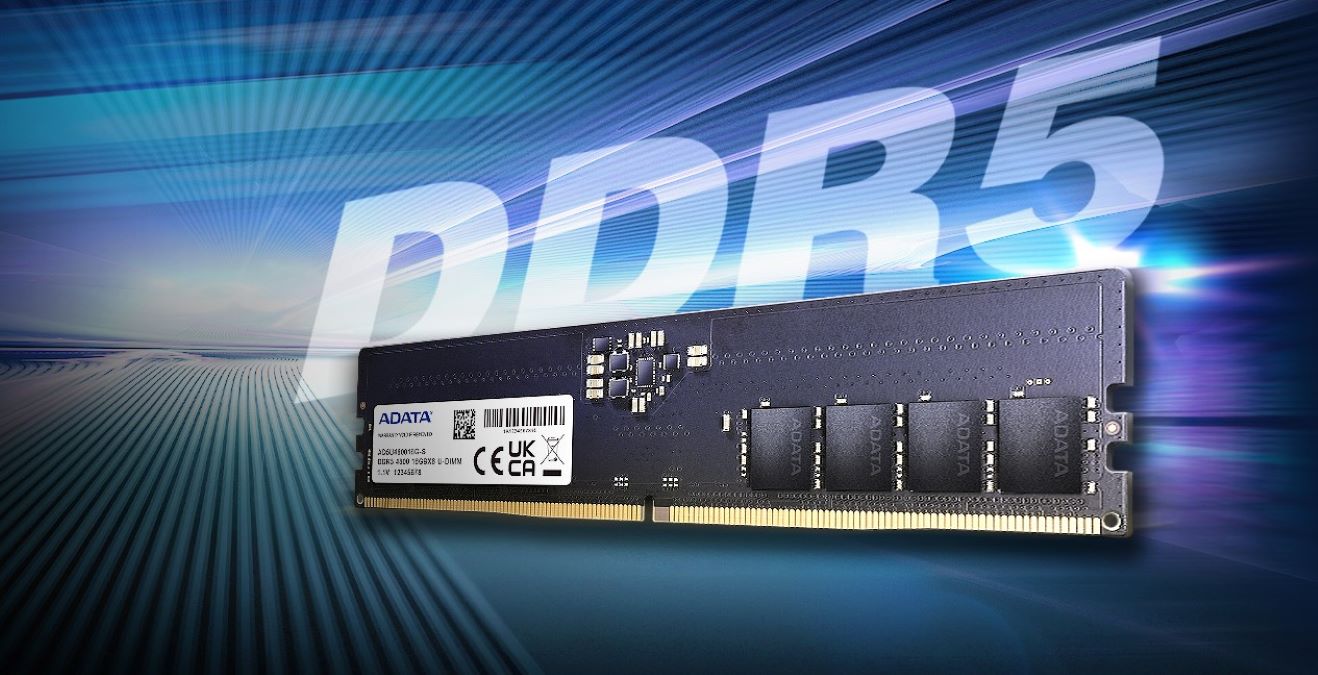
The situation also makes budget PC builds harder to plan because memory now consumes a much larger share of the total system cost.
A builder who previously allocated a relatively small portion of the budget to RAM may now have to compromise on the processor, graphics card, storage or overall memory capacity.
AI demand continues to put pressure on memory supply
The ongoing AI infrastructure boom is being linked to much of the pressure across the memory market.
Memory manufacturers are facing strong demand from data centers and AI hardware, where high capacity and high bandwidth memory products can provide more attractive business opportunities than conventional consumer modules.
That broader demand has contributed to rising costs across the memory supply chain.
DDR5 is not the only area affected. Higher memory costs have also been putting pressure on laptops, smartphones, desktops, mini PCs and graphics cards, since all of these products rely on DRAM or related memory technologies.
Budget PC builders face an increasingly difficult market
For people building a PC in 2026, memory pricing has become much harder to ignore.
DDR5 platform costs were already a concern for some buyers, helping older DDR4 based systems remain attractive in parts of the market. With DDR5 prices now approaching five times their July 2025 levels in Germany, that gap has become even more important.
The August figures also suggest the market has not yet returned to stability.
If prices continue increasing at the current pace, memory could remain one of the biggest obstacles for affordable PC upgrades through the rest of 2026.
For now, German DDR5 pricing provides another clear sign that the wider memory shortage is continuing to affect consumer hardware, with higher capacity kits taking some of the strongest increases.



Discussion (0)
Be the first to comment.