



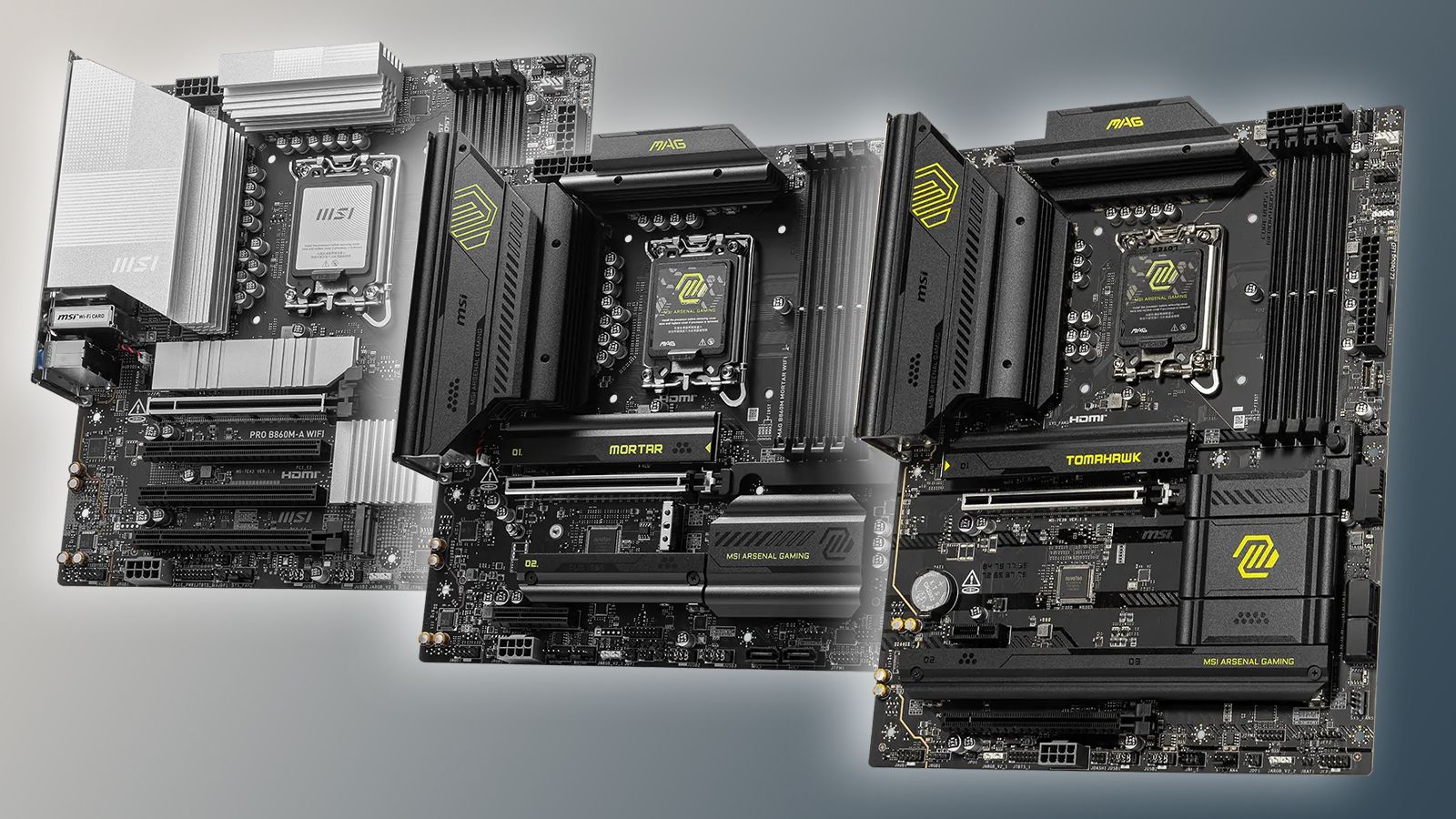
DDR5 motherboards accounted for more than 90 percent of motherboard sales at German retailer Mindfactory in July 2026, while DDR4 platforms represented only 9.5 percent of purchases.
The figures suggest that most PC builders continue to favour newer platforms even though DDR5 memory remains considerably more expensive than it was a year ago. DDR4 kits and compatible motherboards can reduce the cost of a complete system, but that price advantage has not been enough to restore older platforms to mainstream status.
AMD’s AM5 ecosystem led the retailer’s motherboard sales, supported by demand for B650 and B850 products. Older AM4 boards, including popular B550 models, remained available but attracted a much smaller share of buyers.
The results cover sales from one retailer and should not be treated as a complete picture of the global PC market. However, they provide a useful view of how enthusiast and do-it-yourself buyers are responding to high memory prices.
DDR5 Platforms Hold a Clear Sales Lead
Mindfactory reportedly sold 1,955 DDR5 motherboards during the measured period, giving the newer memory standard a 90.5 percent share. DDR4 compatible products made up the remaining 9.5 percent.
| Motherboard memory standard | Share of sales |
|---|---|
| DDR5 | 90.5% |
| DDR4 | 9.5% |
The gap is notable because DDR5 kits have experienced sharp price increases since late 2025. Some products are reportedly selling for several times their previous prices, although the exact increase varies by capacity, speed, brand, and retailer.
DDR4 prices have also risen, but older memory remains less expensive in many cases. A DDR4 system can therefore provide a lower entry cost, especially when paired with an older processor and discounted motherboard.
Despite that saving, buyers appear reluctant to invest in platforms with a more limited upgrade path.
AM5 Dominates AMD Motherboard Purchases
AMD’s AM5 socket reportedly represented 82.2 percent of motherboard sales by socket, with 1,775 units sold.
The B650 and B850 chipsets were much more popular than the older B550 platform. The MSI MAG B850 Tomahawk WiFi was listed as the leading individual motherboard, with 160 units sold.
| Platform | Memory support | Market position |
|---|---|---|
| AMD AM5 | DDR5 | Current mainstream AMD platform |
| AMD AM4 | DDR4 | Older, lower cost platform |
| Intel newer platforms | Primarily DDR5 | Current performance and upgrade options |
| Intel older platforms | DDR4 or DDR5 | Budget and legacy alternatives |
AM5 supports newer Ryzen processors and gives buyers access to future CPU upgrades without replacing the motherboard immediately. That long-term flexibility appears to matter more than the lower initial cost of AM4.
The continued popularity of processors such as the Ryzen 7 9800X3D and other AM5 models also encourages motherboard demand around newer chipsets.
DDR4 Saw a Temporary Recovery Earlier in the Year
DDR4 platform sales reportedly increased earlier in 2026 when rising DDR5 prices made newer systems difficult to afford.
That recovery now appears to have weakened. As supply conditions stabilised, buyers returned to DDR5 platforms even though memory prices remained high.
The change suggests that many builders viewed DDR4 as a temporary cost-saving option rather than a preferred long-term platform.
| Reason to choose DDR4 | Reason to choose DDR5 |
|---|---|
| Lower motherboard cost | Newer processors and chipsets |
| Cheaper memory in many cases | Better upgrade path |
| Mature platform | Higher memory bandwidth |
| Wide used hardware supply | Longer expected support |
| Suitable for budget builds | Better fit for new premium systems |
DDR4 remains useful for inexpensive gaming PCs, office systems, and upgrades to existing machines. It can still provide strong performance when paired with a capable processor and graphics card.
However, someone building an entirely new system may see more value in paying extra for a platform that can support future components.
Buyers Are Prioritising Upgradeability
The sales figures indicate that platform longevity is influencing purchasing decisions.
A cheaper DDR4 motherboard may save money at the time of purchase, but upgrading to a future processor could require replacing the motherboard and memory. That can make the initial saving less attractive.
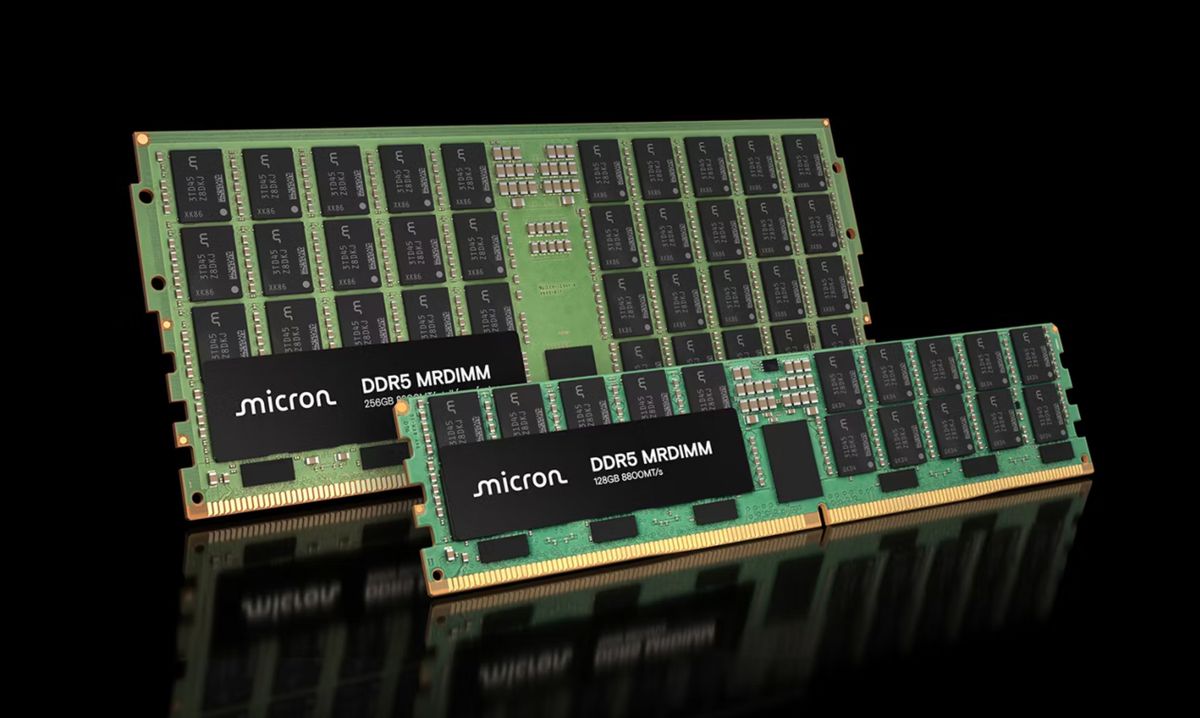
A DDR5 platform costs more today but may allow several processor upgrades while keeping the same memory and motherboard.
This is especially relevant for AMD buyers because the company has continued supporting AM5 across multiple processor generations.
| Purchase priority | Platform likely to appeal |
|---|---|
| Lowest initial cost | DDR4 |
| Existing compatible memory | DDR4 |
| Future CPU upgrades | DDR5 |
| Maximum platform lifespan | DDR5 |
| New high-end gaming system | DDR5 |
| Reusing older components | DDR4 |
The performance difference between DDR4 and DDR5 depends on the processor, memory configuration, application, and game. DDR5 does not always produce a dramatic improvement, but newer platforms often combine it with faster processors, updated connectivity, and other architectural changes.
Older Processors Are Returning but Face Limited Demand
AMD and Intel have reportedly explored older processor launches or refreshed products to give buyers less expensive alternatives.
AMD’s Ryzen 7 5800X3D 10th Anniversary Edition may attract interest from existing AM4 owners who want a final upgrade without replacing the rest of their system.
Intel is also reportedly preparing a Raptor Lake NEXT family that could remain available alongside Nova Lake. Such products may provide a lower cost route for buyers who do not need the latest platform.
However, processor sales at major retailers remain concentrated around newer models. That makes it difficult for revived DDR4 platforms to regain a large share unless the price difference becomes much wider.
DDR5 Prices Still Create a Barrier
The continued dominance of DDR5 does not mean buyers are comfortable with current memory prices.
High DRAM costs increase the total price of gaming PCs, workstations, and prebuilt systems. They can also encourage manufacturers to reduce memory capacity in entry-level products.
A buyer who would previously have selected 32GB may settle for 16GB, while lower cost systems may ship with only 8GB.
| Memory price pressure | Possible buyer response |
|---|---|
| Expensive 32GB DDR5 kits | Choose 16GB initially |
| High platform cost | Select a cheaper motherboard |
| Limited budget | Delay the full build |
| High-end memory premiums | Use slower DDR5 modules |
| Costly new components | Reuse storage, case, or GPU |
DDR5 motherboard sales can therefore remain strong even while buyers compromise elsewhere in the system.
One Retailer Does Not Represent the Entire Market
Mindfactory is a major German component retailer, but its customer base is weighted toward PC enthusiasts and self-builders.
The results may not reflect prebuilt desktops, laptops, business PCs, or sales in other regions. Budget-sensitive markets could still show a larger DDR4 share.
Monthly sales data can also change based on promotions, product availability, CPU launches, and retailer inventory.
Even with those limitations, a 90.5 percent share shows that DDR5 has established a strong position among new PC builders.
DDR4 remains relevant for affordable systems and upgrades to existing platforms, but it is no longer the default choice for most buyers represented in the July figures. Despite the cost of DDR5 memory, shoppers appear willing to pay more for stronger upgrade options, newer processors, and a platform expected to remain useful for several years.



Discussion (0)
Be the first to comment.