



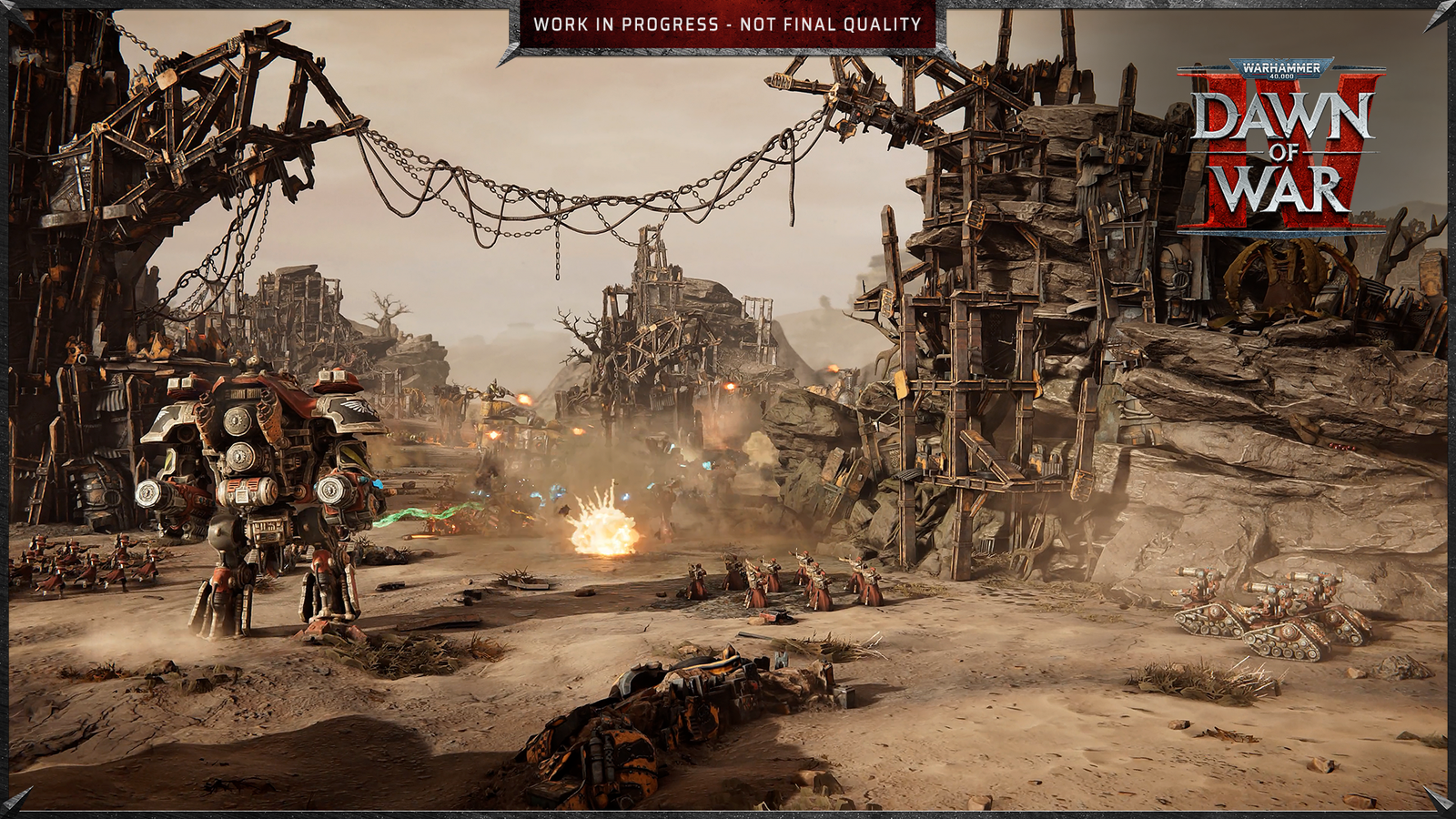
Dawn of War 2: The Last Stand remains one of the most distinctive co-op modes in real-time strategy games, even years after its original release. Built around small teams, powerful hero units, escalating enemy waves, and flexible builds, the mode strips away many traditional RTS systems and turns Warhammer 40,000 battles into a focused survival challenge.
Instead of managing a base, gathering resources, and commanding a full army, each player controls one hero. Teams of three must survive 20 waves of enemies, with threats becoming increasingly dangerous as the match continues. Early waves may feature smaller groups of Orks or Tyranids, but later encounters introduce artillery, heavy infantry, bosses, and even enemy versions of the heroes used by the team.
The result is a co-op experience that sits somewhere between an RTS, a horde survival game, and a PvE MOBA.
The Last Stand Makes RTS Co-op More Accessible
Traditional RTS multiplayer can be difficult for new players. Competitive matches often require fast build orders, strong map awareness, resource management, and knowledge of many unit counters.
The Last Stand removes much of that pressure. There is no base building, no complex economy, and no need to control several squads at once. You focus on a single commander, a handful of abilities, and a set of equipment choices.
| Core feature | How it works |
|---|---|
| Team size | Up to three players |
| Controlled unit | One hero per player |
| Objective | Survive 20 enemy waves |
| Progression | Unlock weapons, armour, and abilities |
| Challenge | Enemies become stronger every wave |
| Replay value | Different heroes and build combinations |
That simpler setup makes the mode easier to understand, but it is not easy to master. Players need to support one another, revive fallen teammates, hold control points, manage cooldowns, and decide when to retreat or push forward.
A single player can rarely carry the entire team through the later rounds. That creates a stronger sense of cooperation than many casual RTS modes, where players can often defeat predictable AI without needing much teamwork.
It Has Many Ideas That Later Became Common in PvE MOBAs
The Last Stand feels surprisingly modern because of its hero based design. Each character can be equipped with weapons, armour, accessories, and special abilities that change how they play.
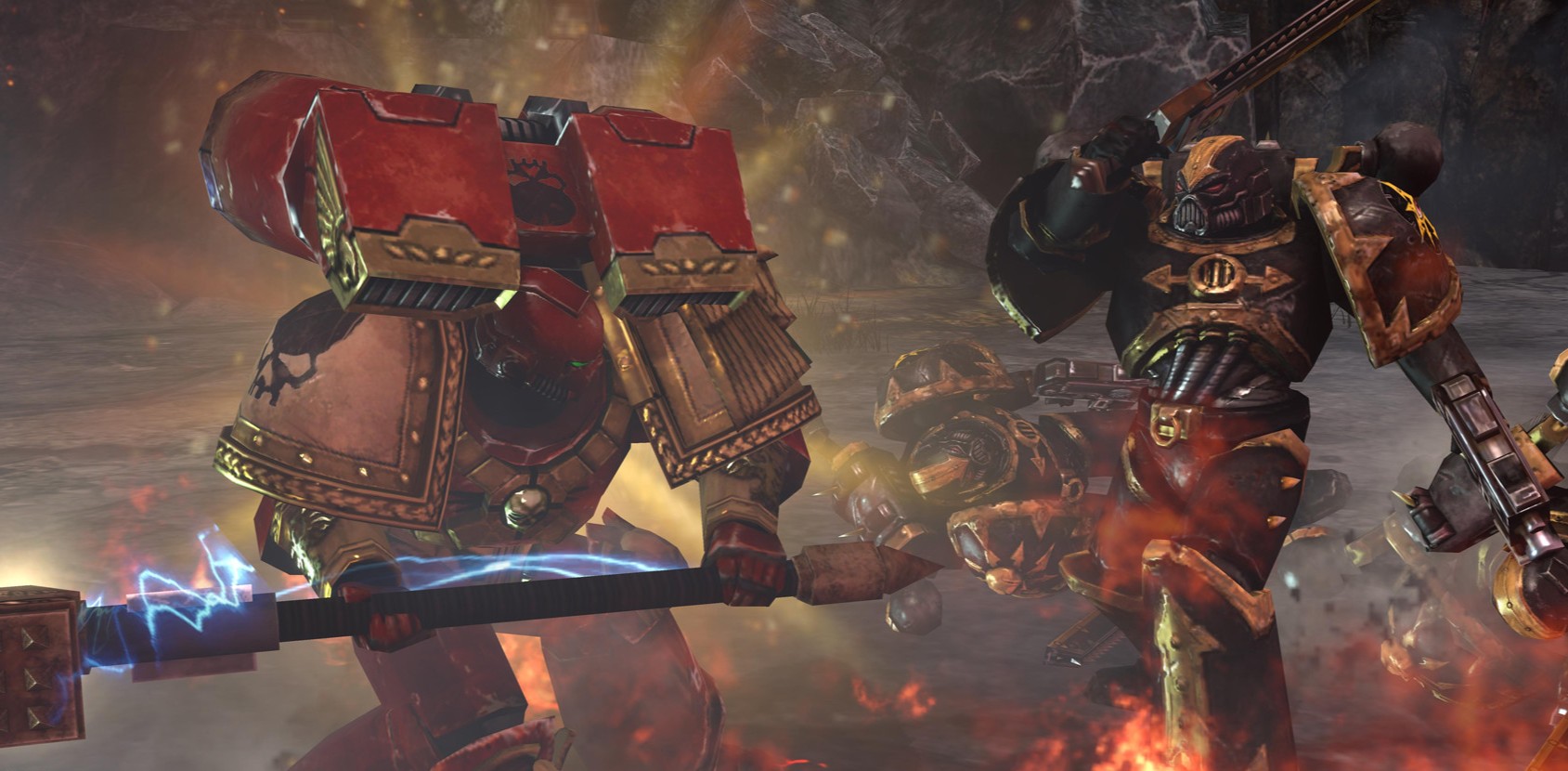
A Space Marine commander can become a ranged support character with healing abilities, or shift into a melee focused build with heavy armour and powerful close combat attacks. The Chaos Sorcerer can use destructive magic, control enemies, or support allies. Other heroes, such as the Ork Mekboy and Tau Commander, offer unusual tools that make each match feel different.
The mode also gives players a clear sense of progression. Unlocking new wargear encourages experimentation, while score multipliers reward teams that survive longer, capture objectives, and clear waves efficiently.
The Community Has Kept the Mode Alive
Dawn of War 2’s standard multiplayer can take time to find a match today, but The Last Stand still attracts players. Its appeal comes from being easy to enter while remaining difficult enough to reward practice.
The mode is now best accessed through Dawn of War 2: Anniversary Edition, which includes the original game and its expansions. That version gives players access to the content needed to experience The Last Stand in its fullest form.
Its longevity also explains why many fans hope Dawn of War 4 includes a similar mode. A new version could add more maps, randomised enemy waves, additional heroes, and stronger progression systems while keeping the original idea intact.
The Last Stand does not need to be a massive live service game to work. Its strength comes from a simple formula: pick a hero, build around a playstyle, survive impossible odds, and rely on teammates when the battlefield becomes overwhelming.



Discussion (0)
Be the first to comment.