



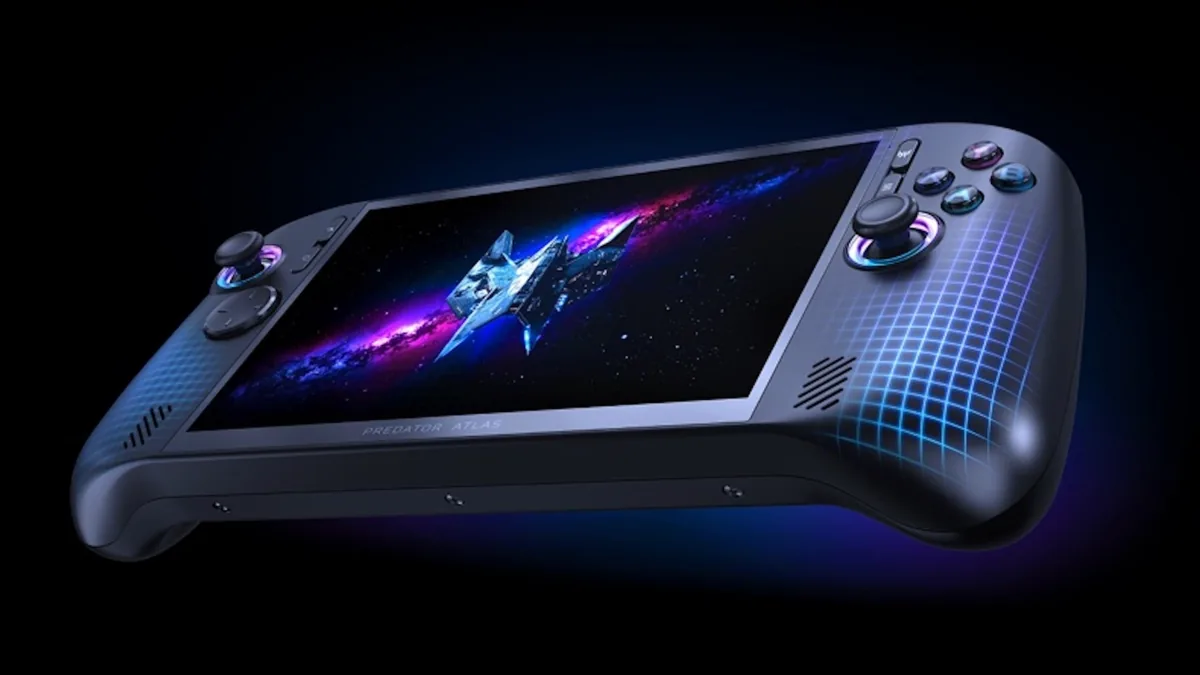
CPU Z has received a new 2.20.2 update, and the main change is support for Intel Arc G3 and Arc G3 Extreme processors. These chips are based on Intel’s Panther Lake platform and are designed for handheld gaming systems, which makes the update a small but useful sign that new Intel powered handhelds are getting closer to release.
CPUID, the developer of CPU Z, now lists version 2.20.2 for Windows x86 and x64 systems. The release notes only mention one new addition: support for Intel Arc G3 and Arc G3 Extreme. That may sound minor, but CPU Z updates often appear around new hardware launches because the tool needs to correctly identify processors, graphics blocks, clocks, cache information, and platform details.
Intel introduced the Arc G Series on May 28 and said the first handheld systems using the chips would begin arriving from OEM partners in June 2026, with wider availability later in the year. CPU Z support arriving now lines up with that schedule and suggests the ecosystem around these handheld chips is already being prepared.
Arc G3 support arrives as Intel pushes deeper into handheld gaming
Intel’s Arc G3 and Arc G3 Extreme chips are expected to compete in the fast growing handheld PC gaming market. This is the same space where AMD has been strong with Ryzen Z series chips, especially in systems like the ROG Ally, Lenovo Legion Go, and other Windows based handhelds.
Intel has been trying to build more momentum here. Its earlier handheld efforts had mixed results, but Panther Lake based Arc G3 chips could give the company a better chance if performance, efficiency, drivers, and pricing come together.
| Update detail | Information |
|---|---|
| Tool | CPU Z |
| New version | 2.20.2 |
| Platform | Windows x86 and x64 |
| Main addition | Intel Arc G3 and Arc G3 Extreme support |
| Chip family | Panther Lake based handheld processors |
| Target devices | Gaming handheld systems |
| First systems | Expected from OEM partners starting June 2026 |
| Wider availability | Planned later in 2026 |
The timing is also notable because CPU Z has had two small point updates focused on new or unreleased hardware in recent weeks. Version 2.20.1 added support around AMD’s Ryzen 7 7700X3D, which AMD has since confirmed with availability planned for July 16 at $329. Version 2.20.2 now shifts attention to Intel’s handheld chips.
That pattern shows how system tools are quietly preparing for the next wave of processors before many consumers can buy the hardware.
CPU Z support helps reviewers and early buyers identify new chips correctly
CPU Z does not improve gaming performance by itself. It does not add driver features or change how a processor behaves. Its value is in hardware identification and reporting.
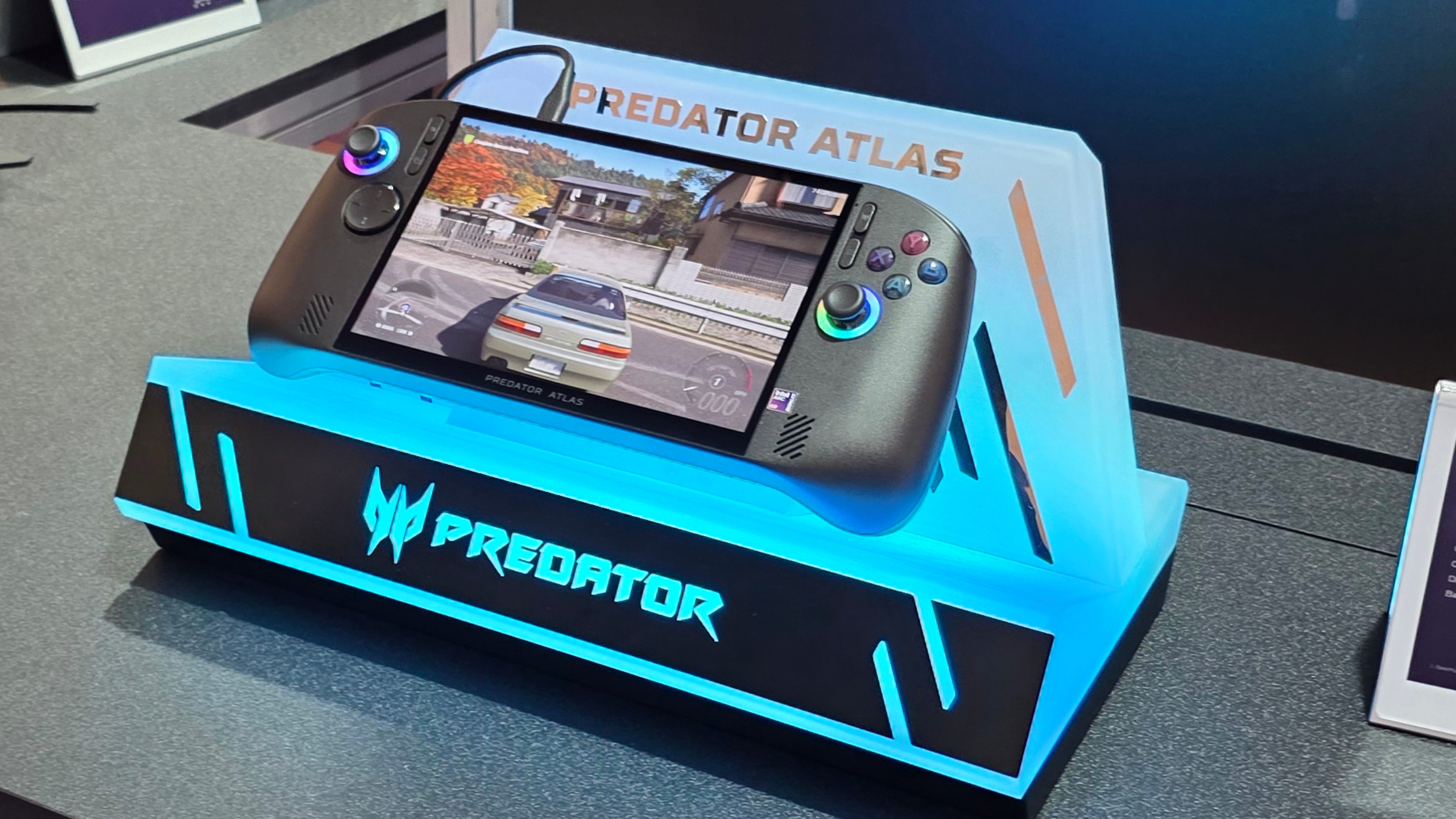
For reviewers, this is important. When a new handheld launches, tools like CPU Z help confirm the exact chip, architecture, core layout, memory behavior, and related platform details. For buyers, it gives a quick way to check whether the device they purchased is using the advertised hardware.
That matters in the handheld market because model names can become confusing quickly. Many devices share similar chassis designs, but ship with different chips, power limits, memory speeds, and cooling setups. Proper detection helps avoid confusion.
The Arc G3 Extreme name is especially important because it appears to be Intel’s higher end handheld option. Earlier reports around MSI’s Claw 8 EX AI Plus and other devices suggest Intel wants Arc G3 Extreme to sit in a premium performance class. Some listings have already pointed to high prices, so buyers will want clear information before spending that kind of money.
Intel still needs strong software support to win handheld buyers
Adding CPU Z support is only one small step. Intel’s bigger challenge is proving that Arc G3 handheld chips can deliver consistent performance and good battery life in real devices.
Handheld gaming chips live or die by efficiency. Raw peak performance matters, but players also care about fan noise, battery drain, heat, driver stability, sleep behavior, frame pacing, and upscaling quality. A chip that performs well only at high power may not be ideal in a portable system.
Intel has claimed strong performance for Arc G3 Extreme in earlier messaging, including comparisons against AMD’s Ryzen Z2 Extreme class hardware. But real testing will matter more than launch claims. Reviewers will need to compare devices at different wattage levels, in different games, and with different upscaling modes enabled.
The good news for Intel is that the handheld market is still open. AMD has a strong lead, but device makers want more chip options, and buyers are becoming more interested in different screen sizes, controller layouts, cooling designs, and software experiences.
CPU Z 2.20.2 does not reveal new specifications, but it shows that support for Intel’s next handheld platform is moving into public tools. With the first Arc G3 systems expected soon, the update is another sign that Intel’s Panther Lake handheld push is now entering the launch phase.



Discussion (0)
Be the first to comment.