



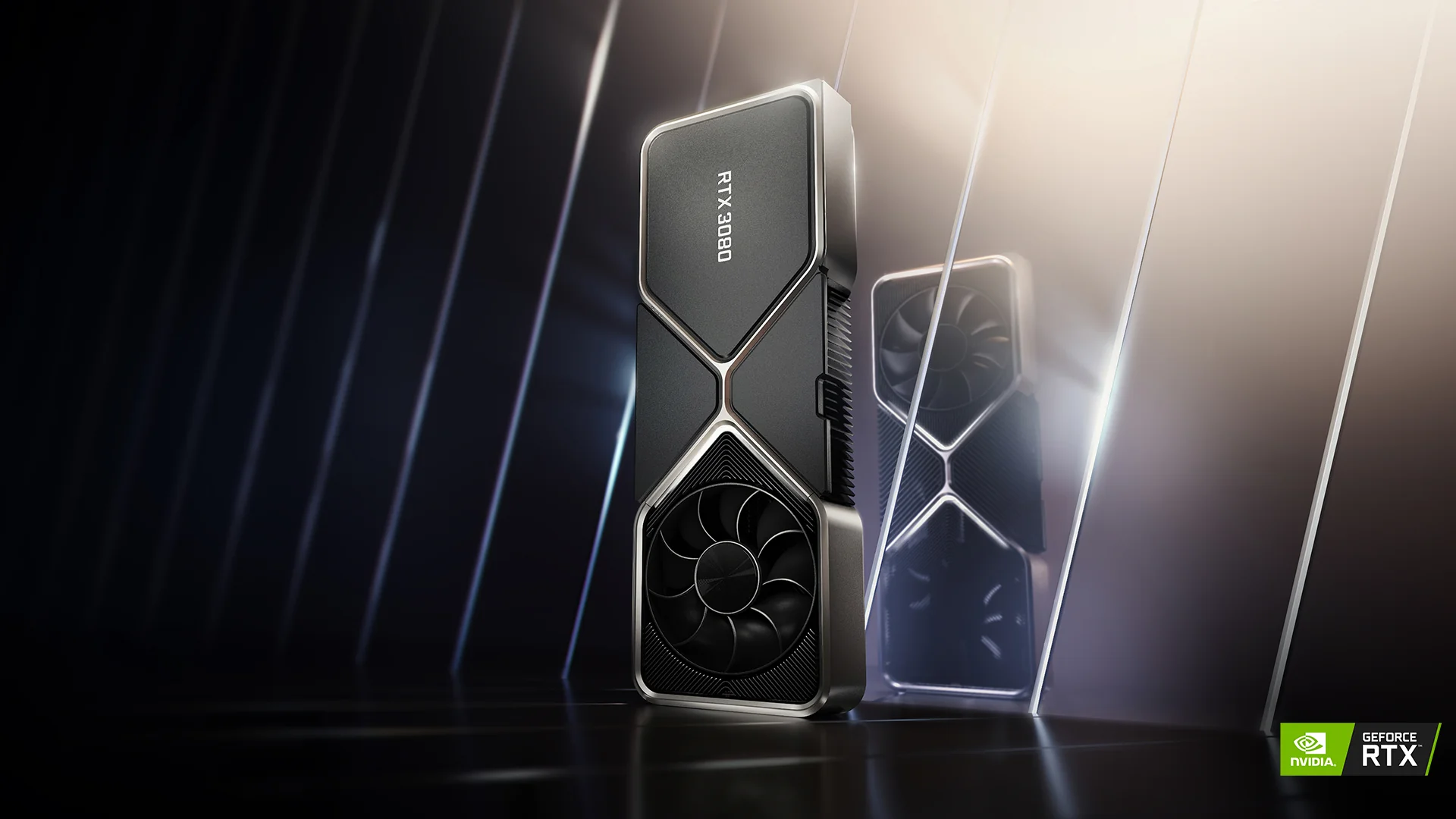
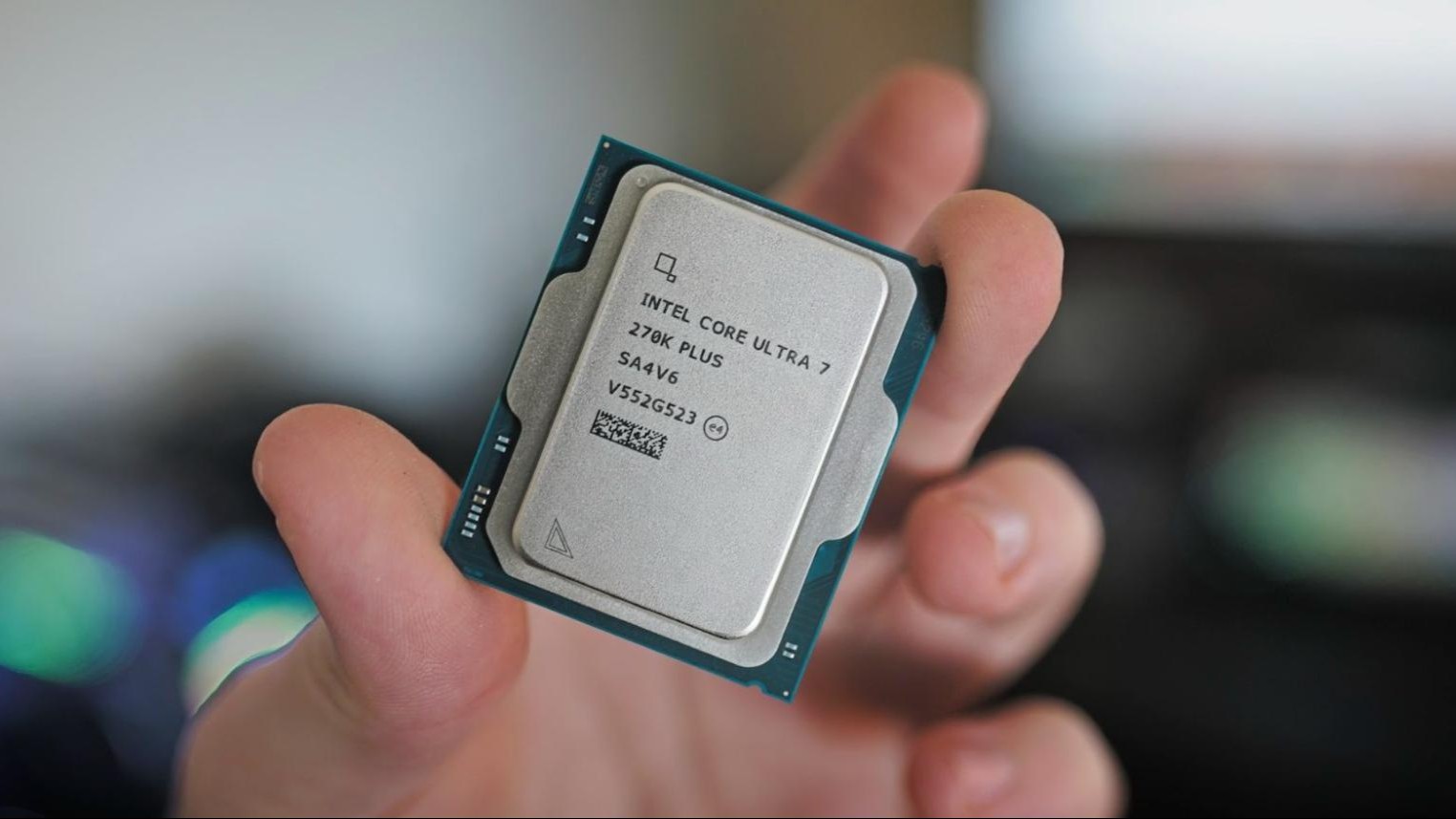
Intel’s Core i7 6700K was once one of the best gaming CPUs you could buy, but a new overclocking test shows how far modern games and GPUs have moved beyond the old Skylake flagship. YouTuber TrashBench pushed the decade old quad core chip to extreme voltages in an attempt to reduce CPU bottlenecking with an RTX 3080, and while the results improved, the old processor still could not fully keep up.
The test paired the Core i7 6700K with NVIDIA’s RTX 3080, a GPU that launched years after the processor. At stock speeds, the CPU struggled badly in Cyberpunk 2077, with the RTX 3080 sitting at only around 60 percent utilization. The system still managed an average of 103 FPS, but the low GPU usage showed that the graphics card was waiting on the CPU.
TrashBench then tested several overclocks. The first was 4.7GHz at 1.4V using air cooling. The next steps were far more aggressive, with 5GHz at 1.56V and 5.1GHz at 1.65V using a custom loop submerged in an ice bath. The YouTuber also tried 5.2GHz and 5.3GHz at 1.7V, but those attempts were not successful.
Overclocking helped, but the bottleneck did not disappear
The 4.7GHz overclock made a clear difference. In Cyberpunk 2077, GPU utilization rose to nearly 70 percent, and performance improved by 13 percent compared with stock. At 5GHz, utilization climbed to 74 percent, with performance improving by 17 percent.
The 5.1GHz result was less impressive. Despite the higher clock and extreme voltage, Cyberpunk 2077 gained only 1 FPS compared with the 5GHz run. That shows how quickly returns can shrink when an older CPU is already being pushed near its limit.
| Core i7 6700K setting | Voltage | Cooling | Cyberpunk 2077 result |
|---|---|---|---|
| Stock | Default | Standard | RTX 3080 around 60 percent utilization, 103 FPS average |
| 4.7GHz | 1.4V | Air cooling | Nearly 70 percent GPU utilization, 13 percent faster |
| 5GHz | 1.56V | Custom loop in ice bath | 74 percent GPU utilization, 17 percent faster |
| 5.1GHz | 1.65V | Custom loop in ice bath | Only 1 FPS faster than 5GHz |
| 5.2GHz and 5.3GHz | 1.7V | Extreme attempt | Not stable |
Other games showed similar limits. Shadow of the Tomb Raider, Hitman 3, and Far Cry 6 were tested alongside 3DMark Time Spy. At 4.7GHz on air cooling, the games improved by 7 percent on average compared with stock. With the 5GHz ice cooled setup, the average gaming gain rose to 11.3 percent.
The synthetic result was stronger. In 3DMark Time Spy, the 4.7GHz overclock improved performance by 19 percent, while the 5GHz overclock improved performance by 24 percent compared with stock. That makes sense because benchmark scaling can sometimes look cleaner than real game scaling, where engine behavior, thread scheduling, memory performance, and draw call limits can all affect results.
The 6700K still performs surprisingly well for its age
The Core i7 6700K launched as a high end Skylake desktop chip with four cores and eight threads. In 2015 and 2016, that was a strong configuration for gaming. In 2026, however, many modern games are designed around more CPU threads and faster architectures.
That is the main reason the chip struggles with an RTX 3080. The problem is not only clock speed. Even at 5GHz, the 6700K still has only four cores. Modern game engines can use more CPU resources, especially in open world games, busy scenes, and titles with heavy simulation or streaming workloads.
Still, the test also shows that the chip has aged better than many people might expect. At 5GHz or 5.1GHz, the 6700K was able to deliver around 100 FPS in the tested games. That is not bad for a processor that is now about ten years old.
The issue is pairing it with a GPU like the RTX 3080. The graphics card has far more performance available than the old CPU can consistently feed. A weaker GPU or higher resolution setting might hide the bottleneck better, but the CPU limit becomes obvious at settings where the RTX 3080 has room to stretch.
Extreme voltage is not worth it for daily use
The most important warning is voltage. Running a Core i7 6700K at 1.56V, 1.65V, or 1.7V is far beyond what most people should attempt for daily use. Those settings are for short term experiments, not long term gaming systems. High voltage can quickly degrade or kill a CPU, especially without extreme cooling.
The 4.7GHz air cooled result is the most realistic part of the test. It improved performance without needing an ice bath or dangerous voltage levels. Beyond that, the extra effort brought smaller gains and much higher risk.
The experiment did not achieve its main goal. Overclocking alone could not remove the RTX 3080 bottleneck. But it did show two useful things: the 6700K can still play modern games at respectable frame rates, and old high end CPUs can gain meaningful performance from tuning when they are CPU limited.
For anyone still using a 6700K, the lesson is simple. Overclocking can help, but it cannot turn a decade old quad core into a modern gaming CPU. If you are pairing it with a powerful GPU, a platform upgrade will do more than chasing unsafe voltages.



Discussion (0)
Be the first to comment.