



Control Resonant is shaping up as a major change for Remedy Entertainment’s supernatural action series. The sequel moves away from the gun focused combat of the first game and puts Dylan Faden at the center of a more aggressive melee driven experience. It is set to launch on September 24, 2026 for Xbox Series X and S, PlayStation 5, and PC.
The game continues the story after the events of Control, but this time the Hiss threat has spread beyond the Oldest House and into Manhattan. The city has been damaged by the same force that turned Federal Bureau of Control agents into violent and unstable enemies in the original game.
Dylan Faden becomes the playable protagonist in Resonant. He was a major part of the first game’s story, but players did not spend much time with him directly. The sequel gives Remedy a chance to explore his past, his unusual abilities, and his complicated relationship with Jesse Faden.
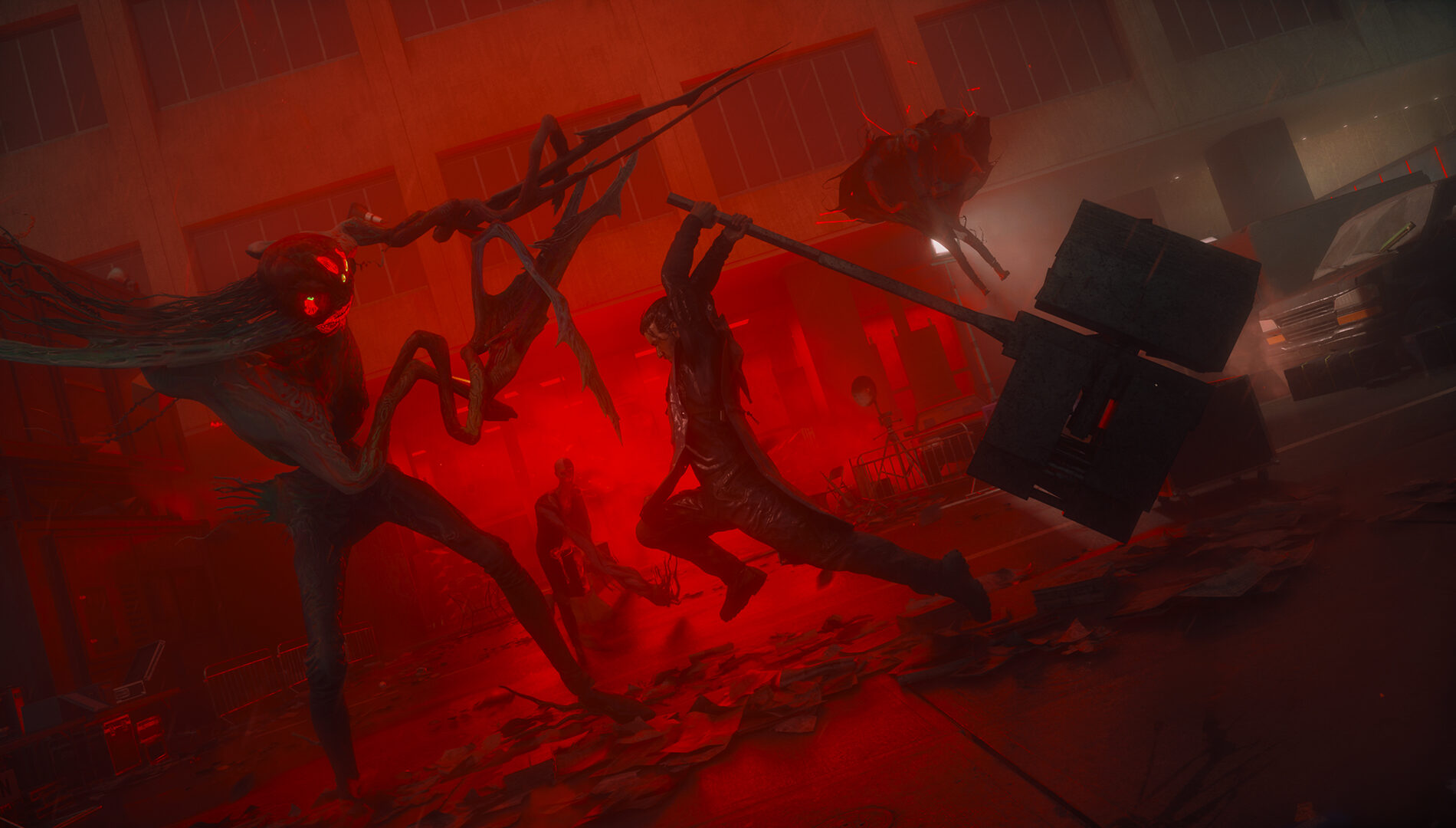
Control Resonant replaces guns with transforming melee weapons
The biggest gameplay change is the move toward close range combat. Dylan uses telekinetic powers alongside a strange transforming weapon that can change into different melee forms.
The early gameplay shown so far includes a basic sword style attack and a heavy hammer form. The hammer can deal major damage, but it has a slower wind up that can leave Dylan exposed to enemy attacks. This creates a more deliberate combat style where timing and positioning matter.
Dylan can also use his powers to move quickly through the city. He can hover, platform across damaged areas, and travel through Manhattan faster than Jesse could move through the office spaces of the Oldest House.
| Gameplay feature | What it adds |
|---|---|
| Dylan Faden | A new playable protagonist connected to the original story |
| Melee focused combat | More close range action than the first Control |
| Transforming weapon | Different melee forms, including sword and hammer attacks |
| Telekinetic abilities | Powers tied to the Faden siblings’ supernatural abilities |
| Manhattan setting | A larger urban location affected by the Hiss |
| Hovering and platforming | Faster movement through damaged city areas |
| Boss encounters | Larger fights with readable attack patterns |
Manhattan gives the sequel a broader setting
Control Resonant will not be an open world game, but Manhattan appears to give the sequel a wider and more varied environment than the first game. The Oldest House had a strong atmosphere, although some players found its layout confusing and difficult to navigate.
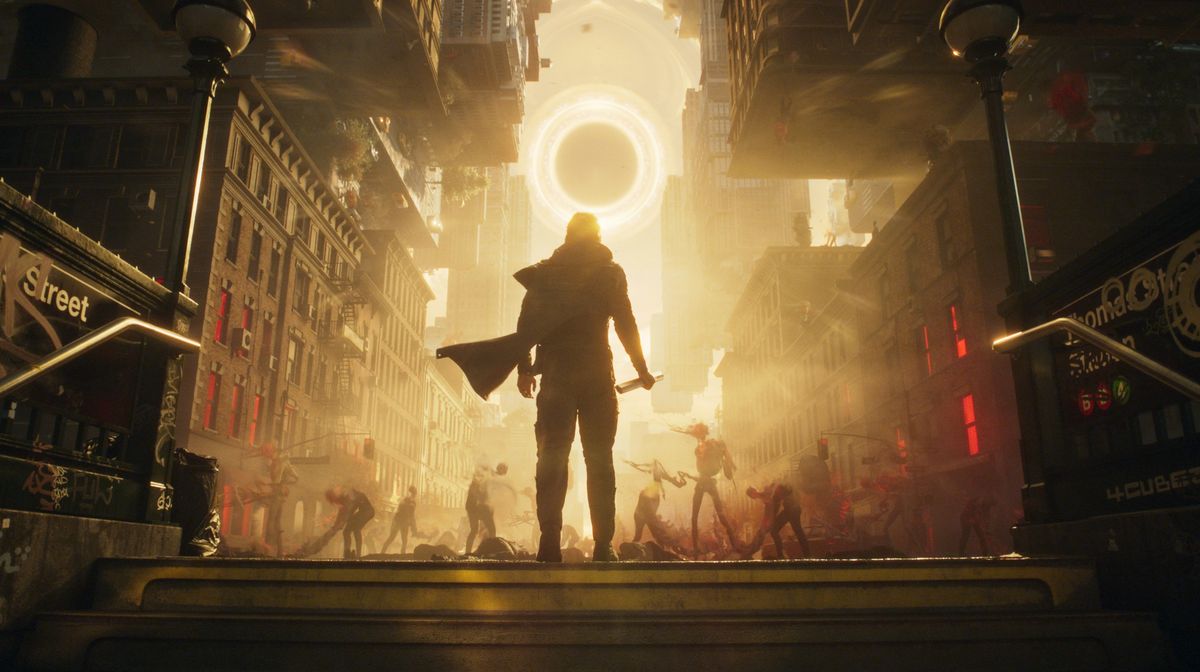
The new setting should create more room for vertical movement and larger combat spaces. Remedy is still keeping the story focused, but the ruined city may offer a stronger sense of scale than the office based environments of the original game.
The Hiss remains one of the central threats. Its spread into Manhattan raises the stakes beyond the Federal Bureau of Control, while also giving the sequel more opportunities to show how ordinary people and public spaces are affected by the supernatural crisis.
Remedy is building on Control’s strongest ideas
The original Control was praised for its world building, strange government agency setting, and supernatural mysteries. Resonant appears to keep those ideas while changing the combat structure around them.
Dylan’s role could also answer some of the biggest questions left behind by the first game. The relationship between Dylan and Jesse, the nature of the Hiss, the purpose of the Board, and the future of the Federal Bureau of Control remain central mysteries in the series.
Control Resonant has a busy release window ahead of it, but its different combat style and larger setting could help it stand apart. Remedy has taken a risk by moving away from the first game’s gunplay, yet the early footage suggests the new melee system may give the series a fresh direction.



Discussion (0)
Be the first to comment.