




Control Resonant composer Petri Alanko says Remedy Entertainment's games share a recurring musical idea: there is always a sense of something deeply wrong beneath the surface.
Rather than spelling that out directly, Alanko says the studio uses music, instrumentation and subtle changes in sound to encourage players to notice that unease for themselves. The approach fits Remedy's wider design philosophy, which relies on players understanding context and subtext instead of constantly explaining what they should feel or think.
Remedy Uses Familiar Sounds That Feel Slightly Wrong
Alanko explained that the presence of evil influences everything from the choice of instruments to the overtone structure of individual sounds.
He described the concept as something with its own kind of gravity, affecting the way sounds are bent and separated.
The psychological effect comes from taking something familiar and making it feel subtly incorrect.
That slight distortion can create discomfort before the player necessarily understands why. Alanko says this can help trigger a fight or flight response and prepare the player for action without directly instructing them.
| Musical approach | Intended effect |
|---|---|
| Distorted familiar sounds | Creates subtle unease |
| Altered overtones | Makes ordinary sounds feel unnatural |
| Psychological cues | Encourages tension without explicit direction |
| Acoustic source material | Gives the soundtrack an organic foundation |
| Repeated sonic traits | Connects different Remedy games |
| Genre changes | Prevents each soundtrack from feeling identical |
The important part is that Remedy does not want the soundtrack to become too obvious.
Players Are Expected to Interpret the Music Themselves
Alanko said Remedy does not approach its games as something that needs constant explanation.
The studio expects players to think, investigate and draw conclusions from the information they are given.
The same philosophy applies to the soundtrack.
Music can introduce a mood or provide a collection of hints, but it does not necessarily tell players exactly what a scene means. Alanko compared the approach to a performance where the audience completes part of the experience in their own mind.
That distinction is important in games such as Control and Alan Wake, where ambiguity is often part of the appeal.
A soundtrack that clearly announces every danger, emotional shift or narrative meaning would remove some of that uncertainty.
Instead, the music is designed to support interpretation.
Remedy Games Share a Sonic Identity Without Repeating Themselves
The same broad philosophy appears across Remedy's catalogue, including Control, Alan Wake and Quantum Break.
Alanko says each new intellectual property changes the formula, but the studio still wants some recognizable musical connection between them.
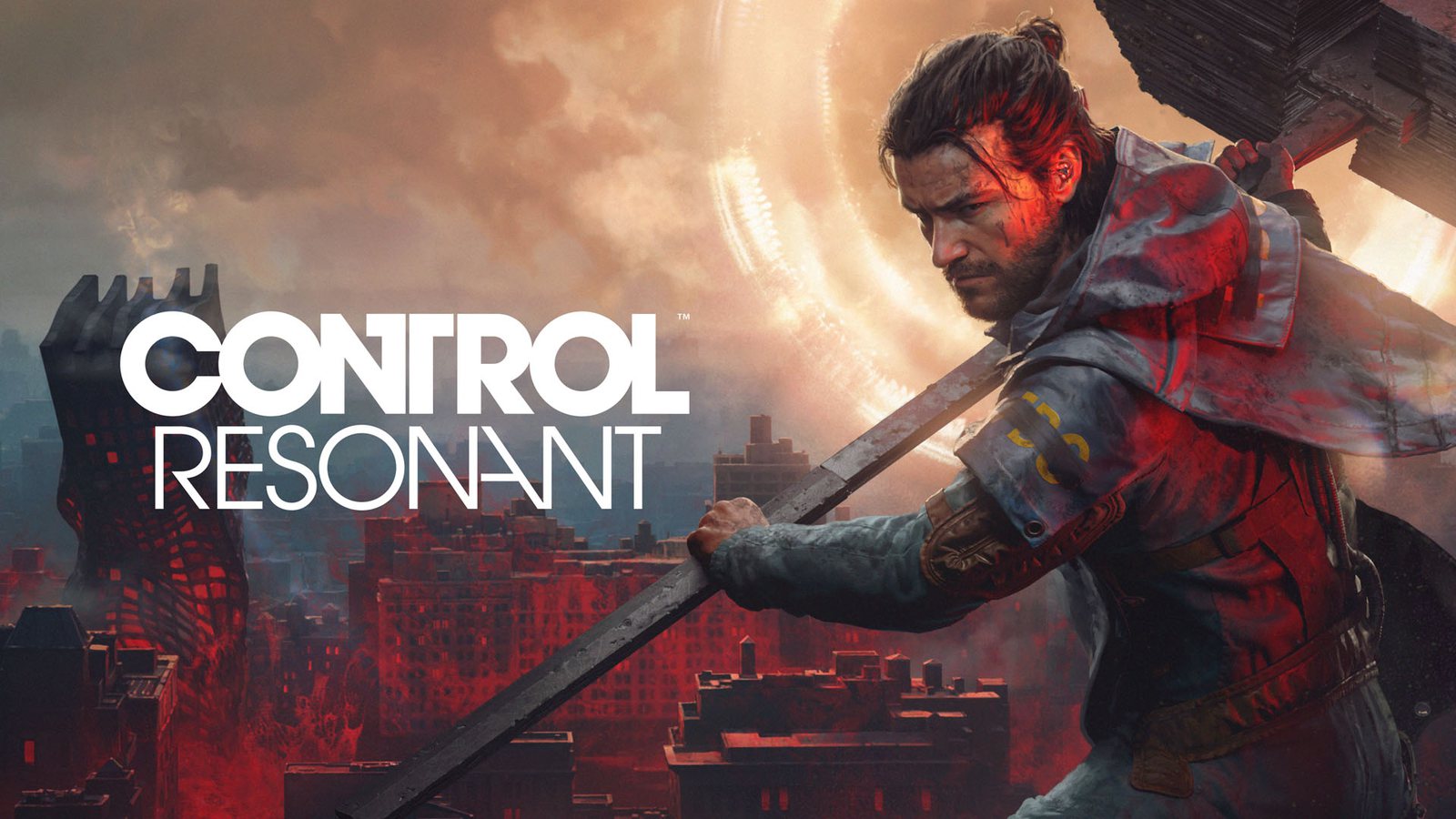
That identity has developed gradually.
Alan Wake introduced orchestral elements, including arrangements that could be presented in distorted forms. It also used softly played piano processed heavily enough to give it a much larger and stranger presence.
Quantum Break expanded the palette with more industrial and electronic sounds.
Control later introduced musique concrète, a style built around manipulated recorded sounds rather than relying only on traditional instruments or synthesized tones.
Alanko describes those influences as forming a kind of shared Remedy sonic identity.
Much of the Music Starts With Real Acoustic Material
Despite the unusual electronic and processed textures in Remedy's games, Alanko says much of the source material begins acoustically.
He noted that relatively little of the soundtrack is simply built from synthesizers.
Instead, real sounds can be recorded, processed and transformed until they become something less immediately recognizable.
That technique helps explain why Remedy's soundtracks can feel both familiar and strange at the same time.
A player may hear something rooted in an ordinary acoustic source without consciously identifying what it originally was.
The result supports the psychological tension Alanko is trying to create.
For Control Resonant, that philosophy means the soundtrack is not just intended to accompany combat or exploration. It is part of the game's storytelling language, using small musical clues and distorted familiarity to suggest danger while leaving players enough space to interpret what they hear for themselves.



Discussion (0)
Be the first to comment.