



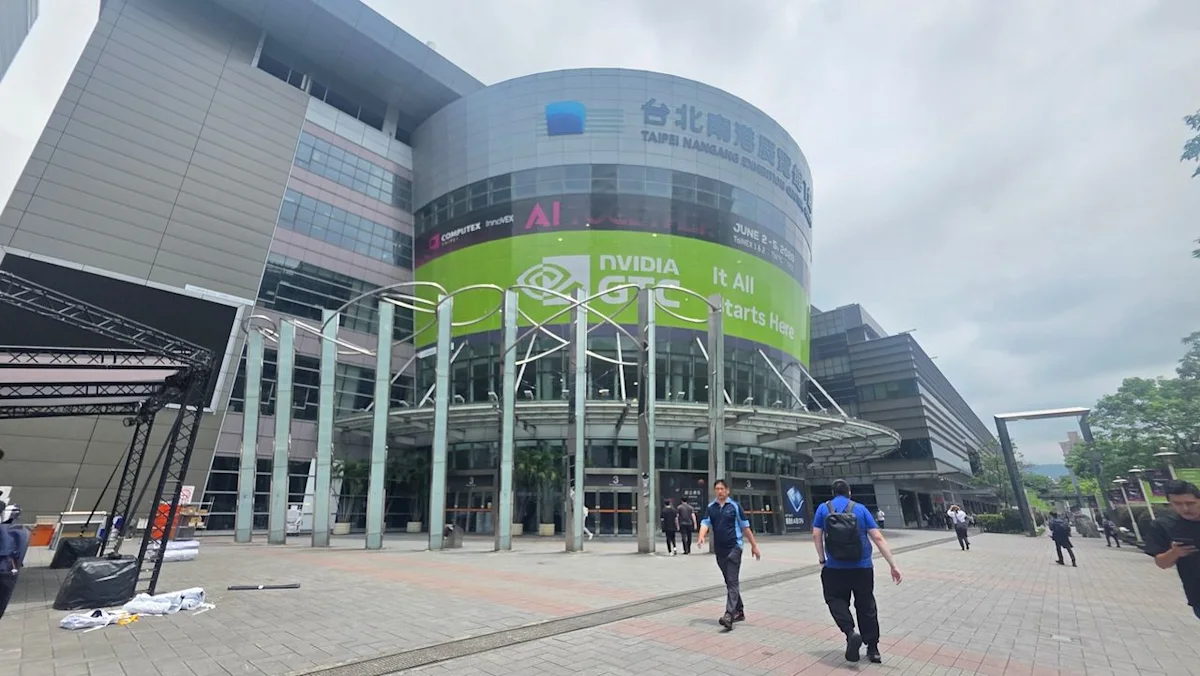
Computex 2026’s second day brought a mix of major platform updates, future networking hardware, and several PC component announcements, but Intel’s comments around Arrow Lake stood out the most. The company openly acknowledged that its last enthusiast desktop launch did not land the way it needed to, especially with gamers, and said Arrow Lake Refresh is part of its effort to rebuild trust before Nova Lake arrives.
Arrow Lake struggled with gaming performance regression in some cases, which disappointed many enthusiasts who expected a clearer generational jump. Intel later pointed to optimization issues around the new architecture, but the company is now taking a more direct tone. Its message at Computex was that it needs to provide better value to gamers and repair its standing with the enthusiast audience.
That makes Arrow Lake Refresh more than a simple product update. Intel appears to be using it as a bridge between the original Arrow Lake launch and its next major desktop platform. Lower pricing is part of that approach, but the larger goal is to regain confidence before Nova Lake becomes the company’s bigger generational push.
Intel says it needs to rebuild its reputation with gamers
Intel’s comments show that the company knows Arrow Lake hurt its enthusiast image. Gaming performance is still one of the most visible measures for desktop CPUs, even when chips perform well in productivity or efficiency metrics. If a new processor does not clearly improve gaming results, the reaction from PC builders can be harsh.
Intel is now trying to frame Arrow Lake Refresh as a correction. The company says it has a strong roadmap ahead, with Nova Lake expected to play a major role in its next desktop cycle. That matters because AMD has gained significant momentum with Ryzen, especially through its X3D gaming processors.
| Computex Day Two focus | Key takeaway |
|---|---|
| Intel Arrow Lake | Intel admitted it needs to rebuild trust with enthusiasts |
| Arrow Lake Refresh | Lower pricing and better value are being used as a reset |
| Nova Lake | Positioned as the stronger long term desktop roadmap step |
| WiFi 8 | First gaming router hardware is starting to appear |
| WiFi 7 | Still active, with new premium routers shown at Computex |
This is also a reminder that Intel’s desktop CPU challenge is no longer only about raw silicon. Software optimization, platform support, power behavior, and pricing all matter. Arrow Lake showed that a new architecture can struggle if the wider ecosystem is not fully ready.
WiFi 8 begins to appear while WiFi 7 is still growing
Networking also had a strong showing on Computex Day Two. WiFi 7 hardware is only now becoming more common and more affordable, but WiFi 8 is already starting to appear in early products.
Asus showed its first WiFi 8 gaming router, the ROG Rapture GT BN98 Pro. The router keeps a design similar to the earlier ROG Rapture GT BE98 Pro, but uses a new chipset designed to improve real world performance. WiFi 8 is not only about peak speed. The next standard is expected to focus heavily on stability, reliability, efficiency, and better performance in crowded environments.

That said, WiFi 7 is not going away soon. MSI used the show to highlight high end WiFi 7 routers, including the RadiX BE19000. That model stands out because it includes an internal PCIe SSD slot, letting the router act as a NAS for file sharing and backups. It also includes two 10 GbE ports and four 2.5 GbE ports, making it a serious option for high speed home networks.
The timing is interesting. Many people are still upgrading to WiFi 6E or WiFi 7, and WiFi 8 will likely take time to become mainstream. But Computex shows that router makers are already preparing for the next step.
PC component makers used Computex to show practical upgrades
Beyond Intel and networking, Computex Day Two included several component announcements. Cooler Master showed new MWE Gold V4 power supplies and its GPU Shield adapter. Microsoft showed the Surface RTX Spark Dev Box, a compact NVIDIA powered development system aimed at preparing developers for a more AI focused Windows future.
Cherry XTRFY introduced its first 8K ultra wideband gaming keyboard, while Corsair showed a gaming mouse with a dedicated Stream Deck launch button. Noctua also detailed its first AIO liquid coolers, with the 240mm model expected to start around $250 and use the company’s familiar quiet fan approach. NZXT showed its H6 mid tower case, new Ultra RGB fans, and a white H2 chassis option.
These announcements may not all be as dramatic as a new CPU or GPU, but they show where PC hardware is moving. Power supplies are adding more monitoring and GPU safety features. Input devices are becoming more tied to streaming and creator workflows. Routers are becoming more storage aware. Even cooling brands like Noctua are moving into product categories they avoided for years.
Computex Day Two was therefore less about one major headline and more about several signals. Intel is trying to recover from Arrow Lake’s weak enthusiast reception. WiFi 8 is starting to emerge before WiFi 7 has fully matured. PC accessory and component makers are building around AI, creators, faster networking, and more complex gaming setups.
The biggest story remains Intel’s reset. Arrow Lake Refresh will need to show that the company has learned from its mistakes, while Nova Lake will likely face even higher expectations. Computex 2026 made one thing clear: Intel knows it has ground to regain, and the next year will decide how much of that confidence it can win back.



Discussion (0)
Be the first to comment.