



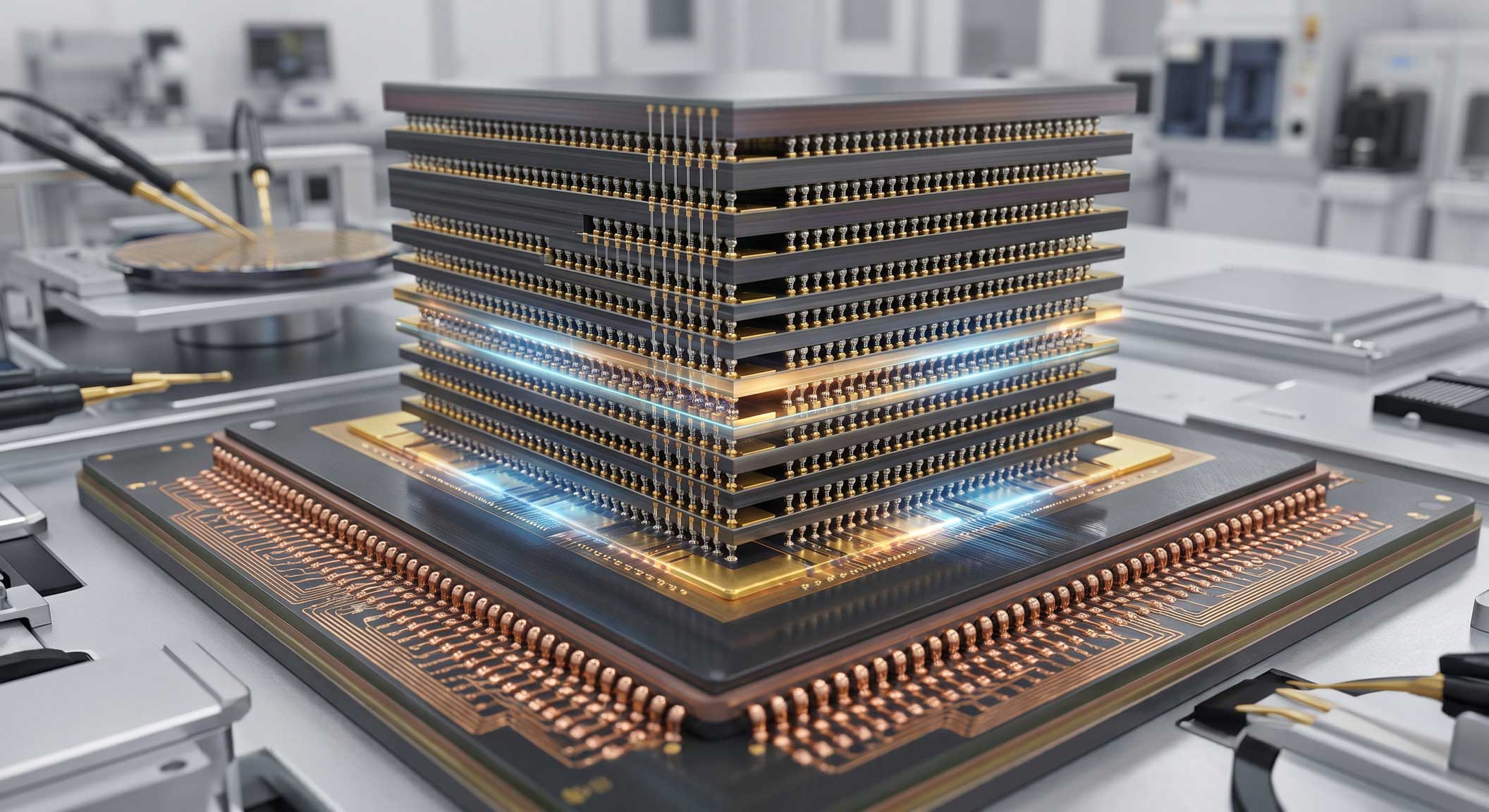
The supply of conventional DRAM could decline significantly in 2027 as memory manufacturers direct more production capacity towards high bandwidth memory for artificial intelligence systems.
Apacer CEO C.K. Chang has warned that memory companies may release only around 30 percent of their 2026 commodity DRAM volume next year. If that estimate proves accurate, supply would fall by about 70 percent year over year.
The warning follows similar comments from SK hynix, which expects 2027 to become one of the most difficult years the memory industry has faced from a supply perspective.
The outlook remains uncertain because it is based on executive estimates and industry projections rather than confirmed production figures. However, several indicators suggest that demand for HBM, server DRAM and other AI focused memory products will continue absorbing a large share of available wafer capacity.
| Market factor | Reported outlook |
|---|---|
| Commodity DRAM supply in 2027 | Could fall by about 70 percent |
| Estimated 2027 volume | Around 30 percent of 2026 levels |
| Annual wafer capacity growth | About 12 percent in 2027 and 2028 |
| Capacity expected to serve HBM | Around half of new supply |
| Non HBM DRAM bit growth | About 15 percent annually |
| Expected DRAM demand growth | About 22 percent annually |
HBM is taking a growing share of memory production
High bandwidth memory is essential for AI accelerators because it provides much faster data transfer than conventional DRAM.
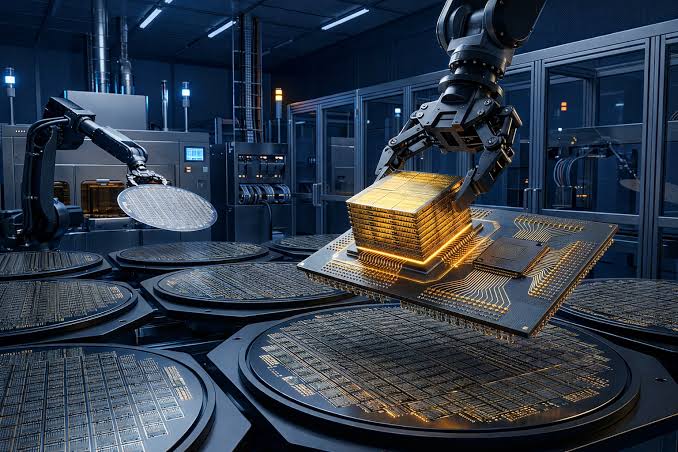
HBM also consumes more wafer capacity than standard memory products. It requires advanced stacking, packaging and testing, which makes each unit more complex to manufacture.
As AI companies place larger orders, memory manufacturers have strong financial reasons to prioritise HBM over lower margin products used in consumer computers, smartphones and other electronics.
Industry projections suggest memory wafer supply may grow by around 12 percent per year during 2027 and 2028. However, approximately half of that additional supply could be directed towards HBM.
This means overall production can increase while the amount available for ordinary DDR and LPDDR products remains limited.
Samsung and SK hynix are rapidly increasing HBM shipments
Samsung is expected to ship around 12 billion gigabytes of HBM during 2026, increasing to approximately 20 billion gigabytes in 2027.
SK hynix is projected to supply about 18 billion gigabytes in 2026 and 24 billion gigabytes the following year.
| Manufacturer | Expected 2026 HBM shipments | Expected 2027 HBM shipments |
|---|---|---|
| Samsung | 12 billion GB | 20 billion GB |
| SK hynix | 18 billion GB | 24 billion GB |
These increases show how quickly memory capacity is being redirected towards AI infrastructure.
HBM products also generate stronger revenue and profit than many commodity memory products. Manufacturers therefore have little incentive to return large amounts of capacity to lower margin DRAM unless prices become sufficiently attractive.
Demand could grow faster than non HBM supply
Non HBM DRAM bit production is expected to grow by around 15 percent annually in 2027 and 2028.
Demand, however, may expand at roughly 22 percent per year. That difference could create shortages even without a literal 70 percent reduction in total physical output.
Server operators need more conventional DRAM alongside AI accelerators. Agent based AI systems, databases and cloud services all require large amounts of system memory in addition to HBM.
Smartphones and personal computers are also using more memory as local AI features become more common. Higher capacity devices could therefore place additional pressure on an already constrained market.
If demand continues to exceed available supply, prices for DDR5, LPDDR and other mainstream products may rise.
New factories will not provide an immediate solution
Samsung and SK hynix are building new production facilities, but much of that capacity will take several years to reach full output.
Samsung’s P5 Fab 1 is expected to begin operating by July 2027. A second P5 facility and another plant in Yongin are currently expected to start production around 2029.
SK hynix plans to bring its Yongin Y1 facility online in February 2027, while the Y2 plant is expected during the second half of 2028.
| Facility | Expected production start |
|---|---|
| Samsung P5 Fab 1 | July 2027 |
| Samsung P5 Fab 2 | 2029 |
| Samsung Yongin facility | 2029 |
| SK hynix Yongin Y1 | February 2027 |
| SK hynix Yongin Y2 | Second half of 2028 |
New factories also require time to improve yields and reach high volume production. Their initial output may be assigned to HBM or other premium products rather than commodity DRAM.
This means additional capacity may not immediately relieve pressure on consumer memory markets.
Consumer electronics could face higher prices
A severe DRAM shortage would affect a wide range of products.
Desktop and laptop memory kits could become more expensive, while PC manufacturers may reduce standard memory capacities to control costs. Smartphone makers could also face higher prices for LPDDR memory.
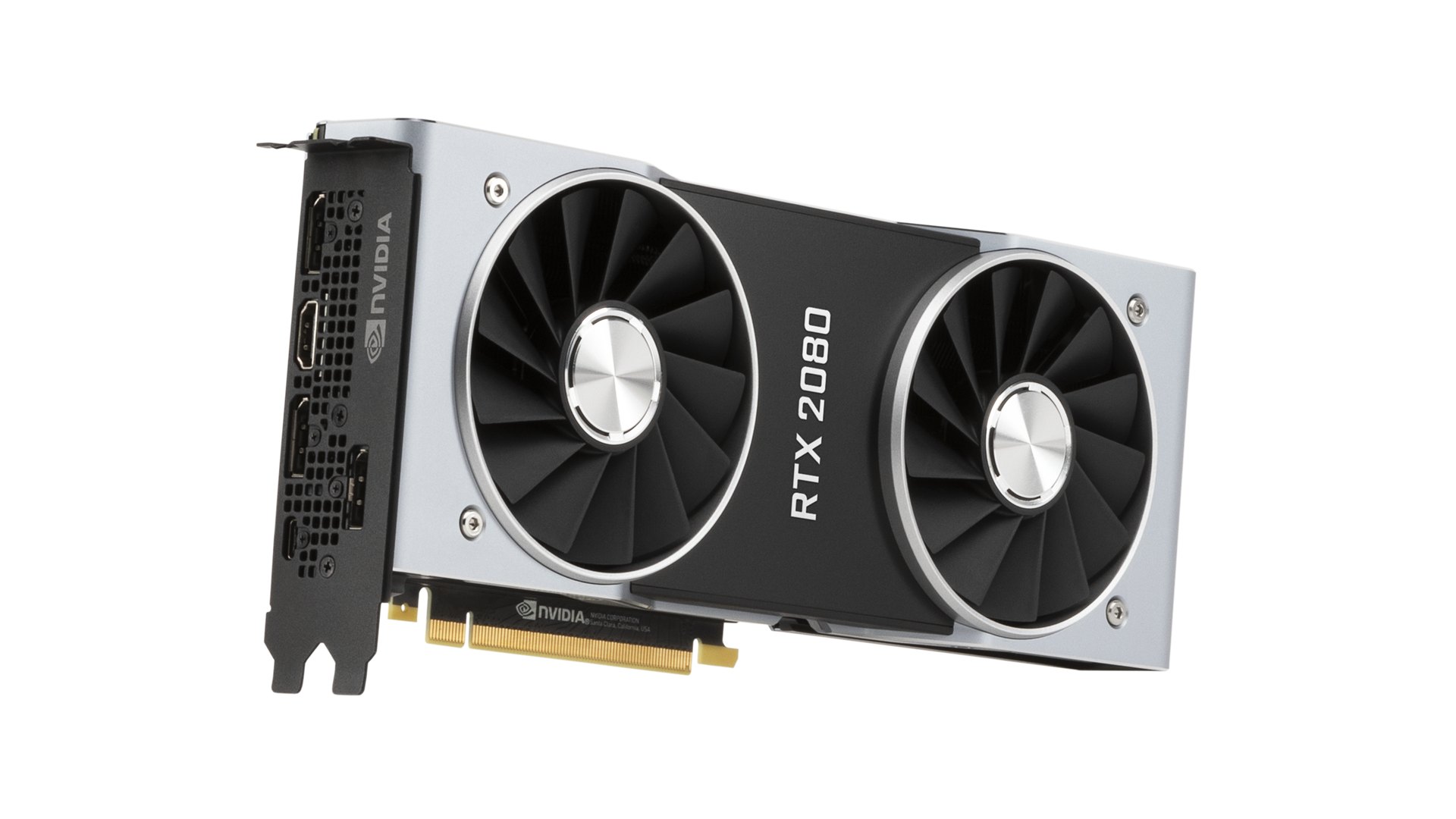
Graphics cards may be affected indirectly because GDDR memory comes from the same major suppliers and competes for investment and production resources.
Storage products could experience similar pressure if manufacturers also prioritise higher margin enterprise and AI focused NAND products.
The effect on retail prices will depend on contracts, existing inventory and the duration of the shortage. Large customers with long term agreements may receive priority, leaving smaller manufacturers and consumer brands more exposed.
CXMT could add alternative capacity through 3D DRAM
One possible source of additional supply is China based CXMT, which is reportedly developing 3D DRAM technology.
Traditional DRAM increases density by shrinking features across a flat silicon surface. This becomes more difficult and expensive as manufacturing approaches physical limits.
A 3D design stacks memory cells vertically, allowing more capacity without relying entirely on smaller horizontal features.
If CXMT can commercialise the technology at scale, it could add new memory capacity and reduce some pressure on conventional suppliers. However, production volume, yields and performance remain uncertain.
The company also faces restrictions involving advanced manufacturing equipment, which may affect how quickly it can expand.
The 70 percent figure should be treated cautiously
The prediction that commodity DRAM supply could fall by 70 percent is unusually severe.
It may refer to the amount of product released into certain channels rather than the total number of DRAM bits produced worldwide. Manufacturers can also change their plans if prices rise enough to make commodity products more profitable.
Demand forecasts may weaken if AI investment slows or if customers delay new data centre projects. Improved yields and faster factory expansion could also increase supply.
Even with those uncertainties, the wider direction is clear. HBM and AI infrastructure are consuming more memory capacity, while demand for conventional server and consumer DRAM continues to grow.
The result could be a tighter market in 2027, with higher prices and reduced availability across PCs, smartphones and data centre equipment.


Discussion (0)
Be the first to comment.