




China has reportedly blocked NVIDIA’s GeForce RTX 5090 D v2 from entering the country, even though the graphics card was designed specifically for Chinese buyers. The move is unusual because this restriction does not appear to come from the United States. Instead, reports suggest Chinese customs is refusing import permits for the card.
The RTX 5090 D v2 was created after earlier export restrictions affected NVIDIA’s China focused RTX 5090 D. NVIDIA then prepared a more limited version with reduced memory and a narrower memory bus. The card reportedly has 24GB of VRAM instead of the original 32GB, making it less useful for AI workloads that benefit from larger memory capacity.
Even with those cuts, the card now appears to be facing a new barrier. Market sources claim Chinese motherboard makers were told that RTX 5090 D v2 cards will not be approved for customs processing. Retailers importing the GPU may also fail to receive clearance or sales permits.
| GPU | Market position | Current issue |
|---|---|---|
| RTX 5090 | Standard flagship model | Not designed for China under restrictions |
| RTX 5090 D | China specific model | Hit by earlier restrictions |
| RTX 5090 D v2 | More limited China specific model | Reportedly blocked by Chinese customs |
| RTX 5080 | Next fastest available option | Could become the top legal gaming option in China |
The decision reportedly surprised NVIDIA because the RTX 5090 D v2 was built for China and has limited value elsewhere. If it cannot be sold in China, NVIDIA may have few official places to send the stock.
The reason for the reported ban is still unclear. One theory is that China does not want a downgraded GPU made only to satisfy foreign restrictions. Another possibility is concern that the card could still be modified for AI use. Reports have already claimed some companies are retrofitting RTX 5090 D v2 cards with more memory, pushing them up to 48GB for AI workloads.
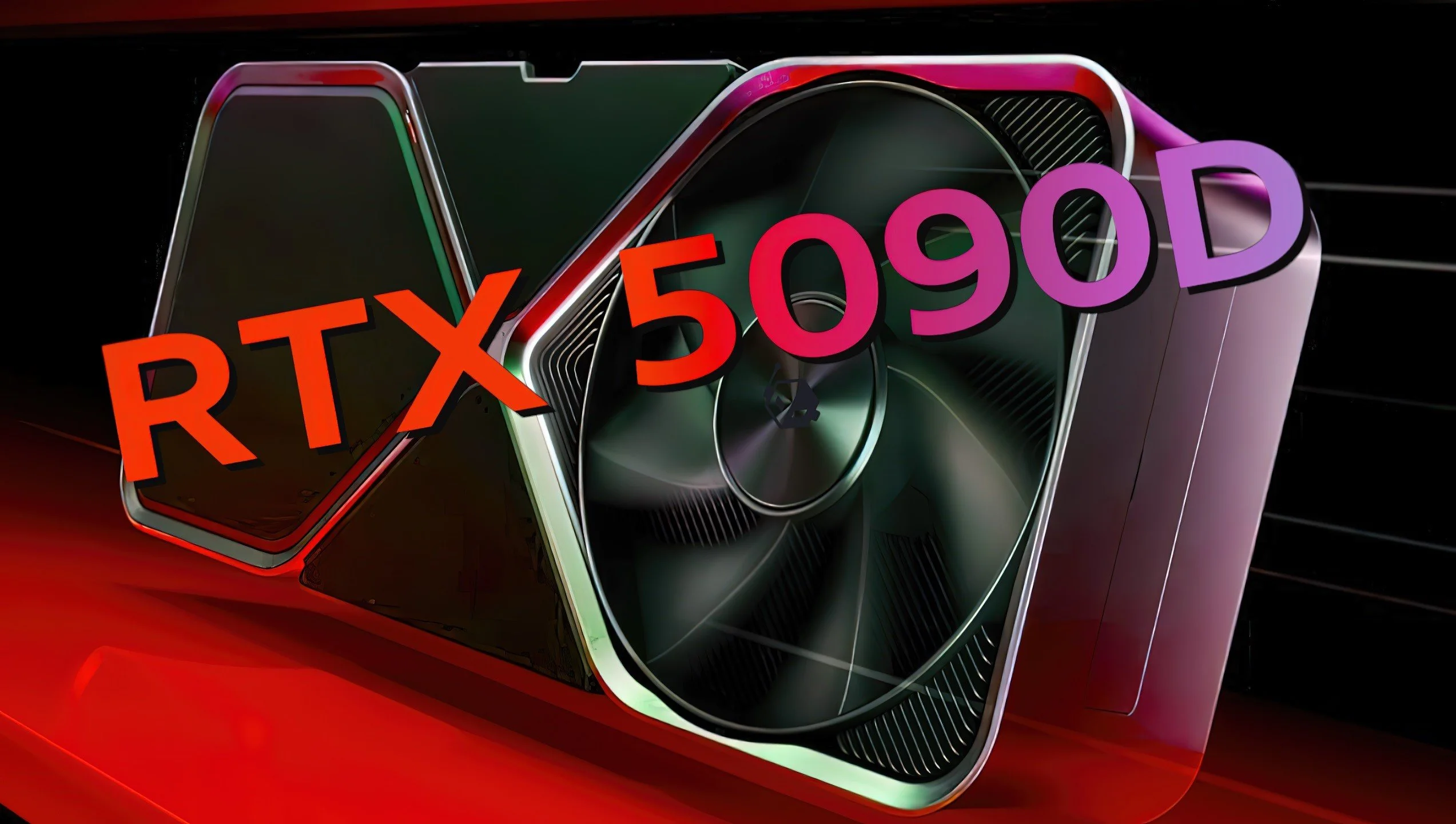
There is also a black market risk. If official imports are blocked, some cards may move through gray market channels or be smuggled to buyers who still want high end NVIDIA hardware. Earlier reports already suggested banned NVIDIA products had appeared on Chinese retail platforms before being removed.
For gamers in China, the impact could be frustrating. If the RTX 5090 D v2 is blocked, the RTX 5080 may become the fastest available gaming GPU through normal channels. That leaves high end PC buyers with fewer options and could push prices higher for available NVIDIA and AMD cards.
China is also trying to grow its domestic GPU industry, but local graphics products still do not match NVIDIA’s latest high end gaming performance. That makes the reported RTX 5090 D v2 block more complicated. It may support domestic hardware goals in theory, but it also limits access to the fastest gaming hardware right now.
The situation shows how difficult NVIDIA’s China strategy has become. The company has repeatedly adjusted products to fit changing restrictions, but even China specific models can now face uncertainty. The RTX 5090 D v2 was supposed to be a compromise product. Instead, it may become another example of how politics, AI demand, and gaming hardware are now tightly connected.

Discussion (0)
Be the first to comment.