




Call of Duty has grown far beyond the campaign and competitive multiplayer package that defined the series for years. Warzone, Zombies, DMZ and other experimental modes now attract their own dedicated audiences, raising a question about whether all of these experiences still need to revolve around one annual release.
Modern Warfare 4 arrives next month, continuing a yearly cycle that regularly moves players, progression systems and development resources toward the newest game. An alternative approach would allow major Call of Duty modes to operate as longer lasting standalone experiences rather than rebuilding or replacing them every year.
The idea would not necessarily require Activision to abandon annual campaigns or multiplayer releases. Instead, modes such as Zombies, Warzone and DMZ could receive independent development schedules and several years of support.
Call of Duty now serves several different audiences
Modern Call of Duty releases contain far more than traditional multiplayer.
Black Ops 7, for example, includes its campaign, competitive multiplayer, Zombies, Endgame, limited time modes and seasonal events. Warzone operates alongside these systems and receives its own regular content.
That provides a large amount of material, but completing everything within a one year cycle can be difficult.
Many players focus almost entirely on one part of Call of Duty. Some primarily play competitive multiplayer, while others spend most of their time in Zombies or Warzone.
| Call of Duty experience | Current challenge |
|---|---|
| Campaign | Replaced by a new story every annual cycle |
| Multiplayer | Regularly resets around the newest release |
| Zombies | Availability depends on each year's game |
| Warzone | Frequently changes to align with new releases |
| DMZ | Has not received the long term support some players wanted |
| Experimental modes | Can disappear when the annual cycle moves forward |
The problem becomes more noticeable when one audience has little reason to buy the next game.
Modern Warfare 4 currently has no confirmed Zombies mode. Players who spent much of the previous several Call of Duty releases focused on Zombies may therefore have limited PvE content attracting them to the new installment.
Its returning DMZ experience includes PvP, so it does not provide a direct alternative for players looking specifically for cooperative PvE.
Zombies could work as a multi year standalone game
A dedicated Zombies game is one possible solution.
Instead of creating or replacing a Zombies experience alongside each annual Call of Duty, Activision could maintain one platform for several years.
New maps, weapons, quests and progression systems could be added gradually without requiring players to move to a different game every autumn.
The same argument can be applied to DMZ.
A longer support period could allow extraction mechanics, maps and progression to develop without being tied directly to the marketing cycle of another Call of Duty release.
Black Ops 7's Endgame mode presents a similar case. Players who enjoy it currently have no guarantee that the experience will receive another full year of development once the franchise shifts attention toward Modern Warfare 4.
Warzone already behaves like a separate game
Warzone is technically its own free to play product, but its systems remain closely connected to annual premium Call of Duty releases.
Weapons, movement systems, maps and progression regularly change based on whichever mainline title is currently active.
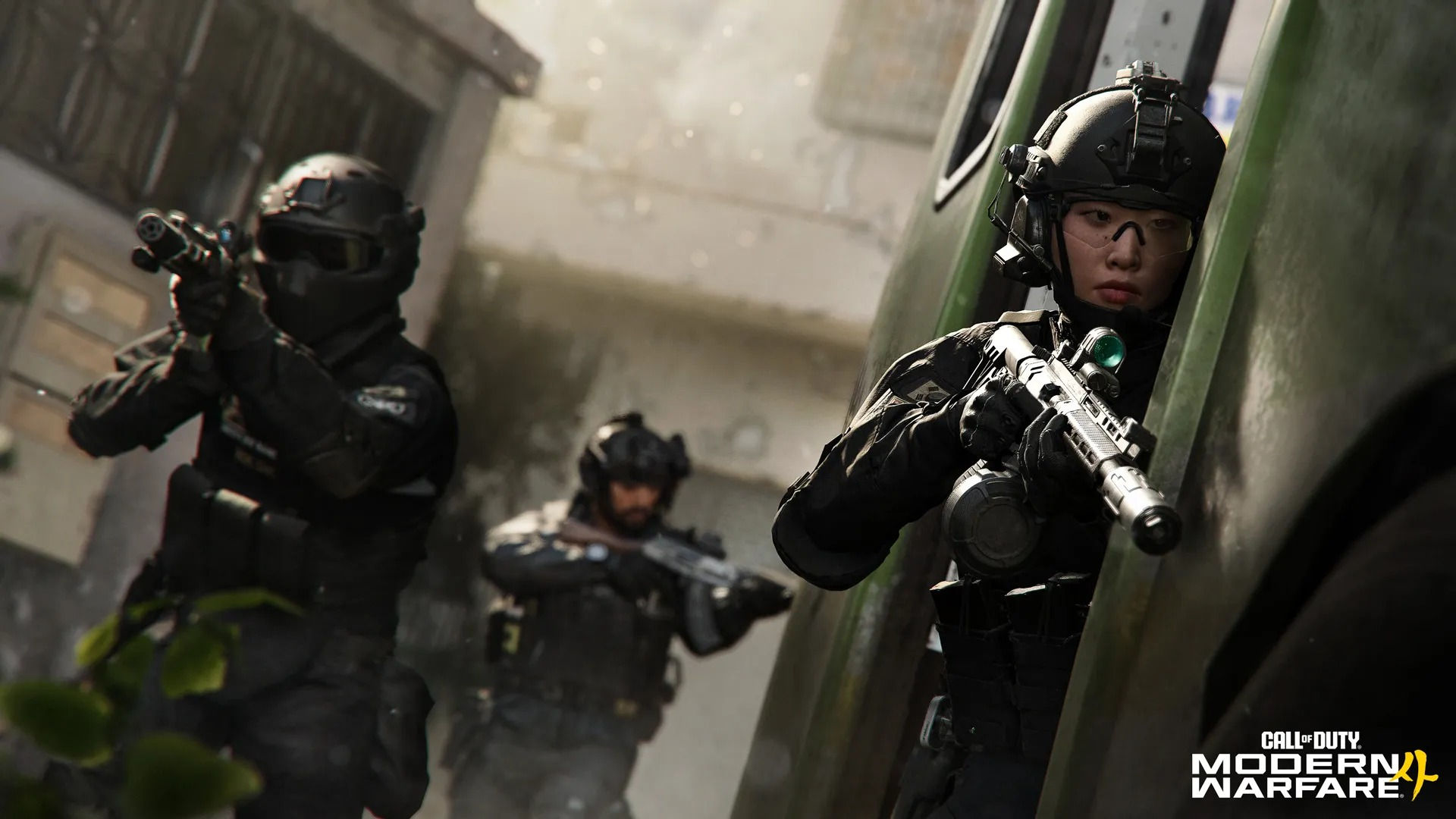
That keeps Warzone connected to the wider franchise, but it also means its existing audience must repeatedly adapt to decisions made for another game.
Allowing Warzone to develop according to its own schedule could give its developers greater freedom to improve the battle royale experience without needing to reshape major systems around every annual launch.
It could also reduce the expectation that multiplayer or Zombies players must participate in Warzone challenges to complete wider progression goals.
Older games show that players do not immediately move on
Call of Duty's history provides evidence that individual experiences can remain active long after their official year has ended.
Modern Warfare 3 Zombies still has an active player base in 2026 despite several newer Call of Duty games launching since its release.
Black Ops Cold War has also attracted renewed activity following its arrival on Game Pass, while older Black Ops games continue to find audiences when they are rereleased on newer platforms.
These examples suggest that Call of Duty modes do not necessarily lose their value when the next annual installment arrives.
Players can remain attached to specific combat systems, maps and progression structures for years.
A longer development model could acknowledge that behavior instead of continually directing the entire audience toward one new package.
Annual Call of Duty releases are unlikely to disappear
The commercial success of Call of Duty makes a complete end to annual releases unlikely.
A new campaign and competitive multiplayer package each year can still serve as the franchise's major premium release.
The larger question is whether every other Call of Duty experience needs to move at the same pace.
Separating major modes would require organizational changes and dedicated development teams, but Microsoft and Activision have enough studios working across the franchise to potentially support different release schedules.
It could also allow teams to spend longer refining individual experiences instead of preparing them around the same yearly deadline.
The franchise has become large enough to function as a collection of connected games rather than a single product expected to satisfy every type of Call of Duty player.
Giving Warzone, Zombies, DMZ and other major modes more independent development cycles could allow each community to remain with the experiences it prefers while annual campaigns and multiplayer releases continue alongside them.



Discussion (0)
Be the first to comment.