



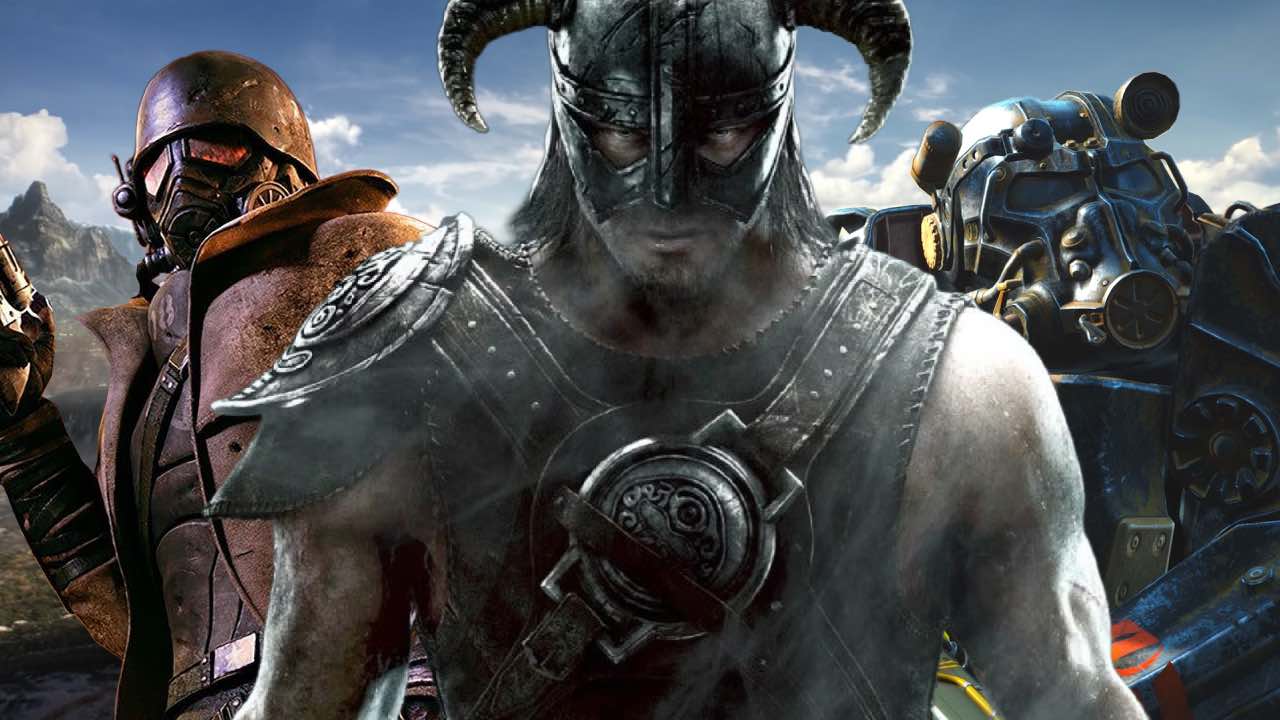
The Elder Scrolls VI has been in development for years, but a former Bethesda Game Studios developer believes rushing the game could create bigger problems than the long wait itself. Bruce Nesmith, who worked as the lead designer on The Elder Scrolls V: Skyrim, says shorter schedules can force studios to cut features, reduce polish, and ship games with more technical issues.
The next Elder Scrolls game was announced in 2018, and it may take more than a decade to arrive by the time it reaches PC and consoles. That has frustrated fans who have been waiting since Skyrim launched in 2011, but Nesmith argues that large RPGs cannot simply be completed faster without making difficult compromises.
His comments come as Xbox leadership is reportedly looking for ways to shorten development cycles across major franchises. Bethesda could face pressure to deliver new Elder Scrolls and Fallout games more regularly, but that may be difficult for games built around huge worlds, detailed systems, and long term player expectations.
Big RPGs Must Balance Time, Resources, and Quality
Nesmith described game development as a balance between schedule, resources, and quality. A studio can control two of those areas, but the third will be affected.
For example, keeping the same number of developers while reducing the schedule may result in fewer features, less testing, and more bugs. Expanding the team can help in some areas, but adding too many people can also create communication problems and reduce efficiency.
| Development goal | Possible tradeoff |
|---|---|
| Faster release | Less polish and fewer features |
| More features | Longer development time |
| Smaller team | Reduced scope or slower production |
| Larger team | Higher cost and more coordination challenges |
| Very long schedule | Risk of constant reinvention and delays |
Nesmith also warned that unlimited development time is not a solution either. A project can become trapped in repeated redesigns, shifting technology, and changing creative goals if it runs too long.
That is one of the risks facing The Elder Scrolls VI. The game may need to meet expectations built over more than a decade while also avoiding the problems that come with endless development.
Faster Sequels Could Disappoint Fans
A shorter schedule could allow Bethesda to release more Elder Scrolls and Fallout games, but it may also weaken what makes those series special. Open world RPGs require huge amounts of writing, art, quest design, world building, testing, animation, and technical work.
Many players expect each new Elder Scrolls game to offer a bigger world, more detailed cities, stronger role playing systems, and improved combat. Those demands make development more difficult because every new feature must work alongside hundreds of other systems.
Nesmith said that the industry has created a situation where each major release is expected to be larger and more ambitious than the one before it. The problem is that development complexity does not grow in a simple way.
Adding 20% more time or staff does not automatically produce 20% more quality. In large projects, extra people can create more meetings, more technical dependencies, and more chances for mistakes.
Spin Off Games Could Help Fill the Long Gap
One possible way to avoid another decade long wait would be to let other studios create smaller Elder Scrolls projects between major releases. Fallout: New Vegas showed how a separate development team can make a successful game within an established world.
Bethesda could also consider more focused spin offs that reuse technology, locations, or systems from previous games. Japanese studios have used this approach with several long running series, allowing them to release games more often without starting every project from zero.
However, this strategy also carries risks. Players may criticize reused assets, familiar locations, or games that feel too similar to earlier releases. Bethesda faced some of that criticism with Starfield, where some players expected more innovation from a major new universe.
The Elder Scrolls VI Still Has a Difficult Path Ahead
The Elder Scrolls VI is expected to be one of Bethesda’s biggest games yet, but bigger does not always mean better. The studio will need to balance scale with strong quests, technical stability, meaningful exploration, and systems that give players freedom without becoming repetitive.
A faster release may sound appealing after such a long wait, but rushing a game of this size could damage the series more than a longer schedule. Bethesda’s real challenge is not simply finishing The Elder Scrolls VI sooner. It is making sure the game is worth the years fans have spent waiting for it.



Discussion (0)
Be the first to comment.