



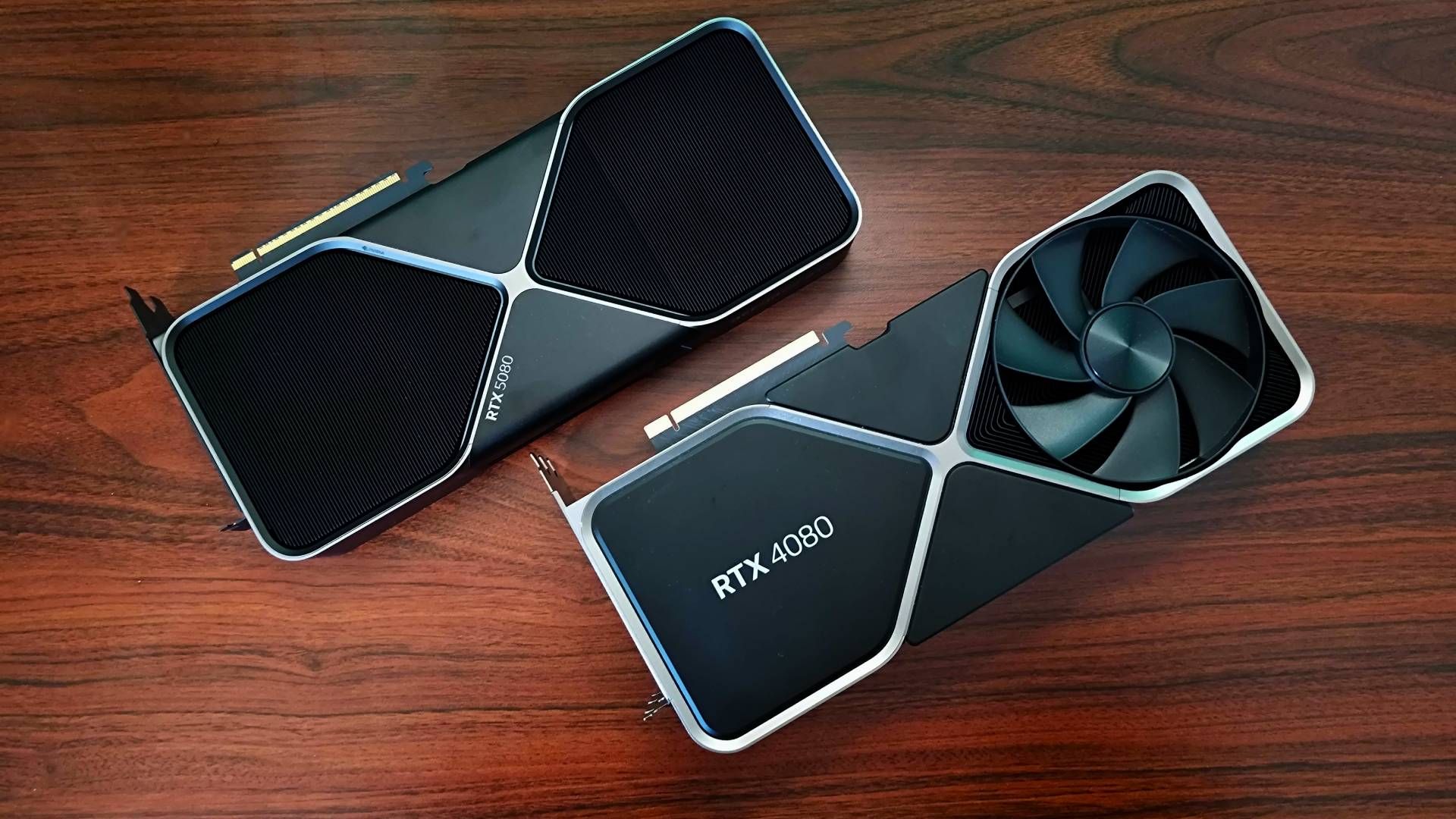
Graphics card deals are still difficult to find in 2026, but there are some useful discounts across Nvidia, AMD, and Intel cards if you know where to look. High end GPUs remain expensive because of strong AI related demand and tighter memory supply, but budget and midrange cards are showing better value, especially from AMD and Intel.
The best deals right now are not always the fastest cards. In many cases, a GPU sitting near MSRP can still count as a decent buy because several models are selling above their intended launch prices. Nvidia’s high end RTX 50 series remains especially expensive, while AMD’s Radeon RX 9000 series and Intel’s Arc Battlemage cards offer more attractive pricing in several performance tiers.
For buyers building a new gaming PC, the main question is not only which card is discounted. It is whether the card makes sense for your resolution, power supply, case size, and long term memory needs. A cheaper 8GB GPU can be fine for 1080p, but 12GB or 16GB is becoming more important for 1440p and modern games with heavier texture demands.
Budget GPU deals are strongest around 1080p gaming
The lower end of the market has some of the more practical deals. Nvidia’s RTX 5050 is listed at $289.99, making it a low cost option for 1080p systems. It comes with 8GB of GDDR6 memory on a 128 bit bus and supports PCIe 5.0.
The RTX 5060 has also seen discounts. One Asus TUF Gaming RTX 5060 OC model is listed at $324.60, down from $469.99. That card includes 8GB of GDDR7 memory, 3840 CUDA cores, and a triple fan cooler. An MSI RTX 5060 Ventus 2X OC is also listed at $339.99 after a rebate.
Intel’s Arc B570 and B580 are also worth attention. The Arc B570 is listed at $259.99 with 10GB of VRAM, while Arc B580 models are listed around $303 to $309 with 12GB of VRAM. Intel still has driver and compatibility caveats in some older games, but the VRAM capacity makes these cards interesting for budget builds.
| GPU deal | Current price | Best fit |
|---|---|---|
| RTX 5050 | $289.99 | Entry level 1080p gaming |
| RTX 5060 | Around $324 to $339 | 1080p high settings |
| Arc B570 | $259.99 | Budget 1080p gaming |
| Arc B580 | Around $303 to $309 | 1080p and some 1440p gaming |
| RX 9060 XT 16GB | $439.99 | Better 1440p budget option |
The Radeon RX 9060 XT 16GB is one of the more useful budget to midrange cards because it avoids the 8GB VRAM limit. A PowerColor Reaper model is listed at $439.99, down from $469.99. For newer games, that 16GB buffer gives it a better long term outlook than many cheaper 8GB cards.
Radeon RX 9070 and RX 9070 XT are the more interesting midrange deals
AMD’s Radeon RX 9070 series currently looks like one of the stronger value areas for 1440p gaming. The Gigabyte Gaming OC Radeon RX 9070 XT is listed at $649, down from $739.99. It uses AMD’s Navi 48 GPU, has 64 RDNA 4 compute units, and includes 16GB of GDDR6 memory.
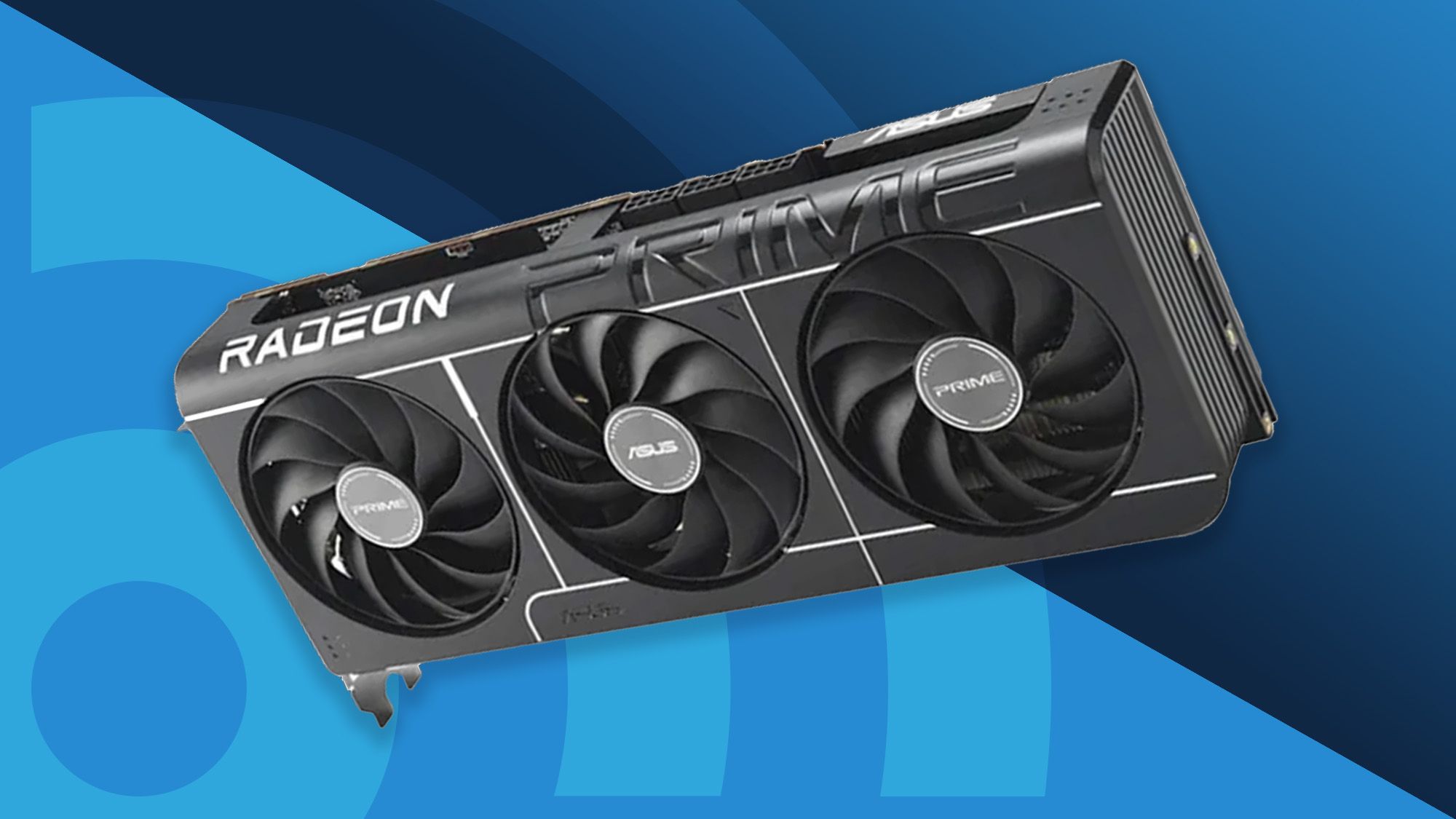
There are also RX 9070 XT deals from ASRock and PowerColor. The ASRock Challenger RX 9070 XT is listed at $699.99, while the PowerColor Reaper RX 9070 XT is listed at $669.99. These cards are built for high refresh 1440p gaming and can also handle some 4K gaming with adjusted settings or upscaling.
The RX 9070 is also available in the ASRock Challenger model at $599.99, down from $639.99. It still includes 16GB of VRAM and is positioned well for 1080p ultra and 1440p gaming.
AMD’s advantage here is value. Nvidia still leads in ray tracing and has a stronger DLSS ecosystem, but Radeon cards can be more attractive if you mainly care about traditional rasterized performance and memory capacity for the price.
Nvidia cards still carry a premium
Nvidia’s RTX 50 series deals are more limited, especially above the RTX 5070. The RTX 5070 has some listings around $599.99 to $629, while the RTX 5070 Ti remains close to $965 to $999. The RTX 5080 is still listed at $1,289.99, and the RTX 5090 remains far above mainstream pricing at $4,499.97 for one Zotac model.
That pricing makes Nvidia harder to recommend purely on value unless you specifically need its software stack. DLSS, Multi Frame Generation, stronger ray tracing, and better creator or AI support can justify the premium for some buyers. But for general gaming, especially at 1440p, AMD often gives you more memory and competitive frame rates for less money.
The RTX 5060 Ti 16GB is also expensive compared with some Radeon options. An MSI Shadow model is listed at $569.99, while a PNY model is listed at $599.99. The 16GB memory is useful, but the price pushes it into territory where AMD’s faster cards may look more attractive.
The safest deal depends on your resolution and system
For 1080p gaming, the Arc B570, Arc B580, RTX 5060, and RX 9060 XT are the cards to watch. For 1440p, the RX 9070 and RX 9070 XT look stronger, especially because both offer 16GB of memory. For 4K, buyers will likely want something more powerful, but the prices on RTX 5080 and RTX 5090 cards remain difficult to justify for most people.
Before buying, check three things: your power supply, your case clearance, and your monitor resolution. A good deal can turn into a bad purchase if the GPU does not fit your case or needs more power than your system can safely provide.
The current GPU market still rewards careful shopping. AMD and Intel are generally offering better value, while Nvidia remains the premium choice for buyers who want the strongest ray tracing and DLSS features. For most gamers, the best move is to avoid overpriced flagships and focus on cards that offer enough VRAM, solid 1440p performance, and a price that does not feel inflated by the current AI driven hardware squeeze.



Discussion (0)
Be the first to comment.