



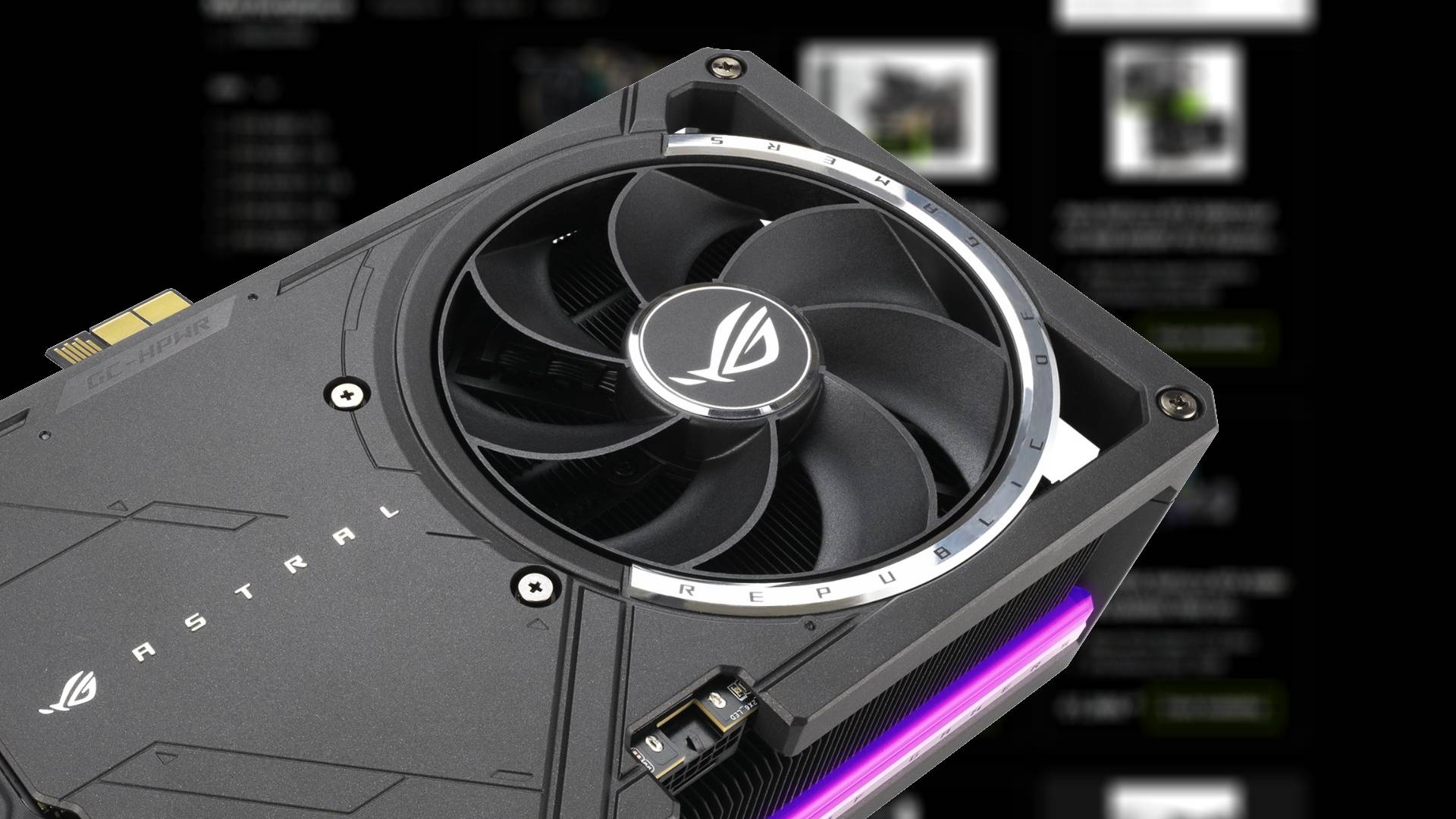
A customer who ordered an ASUS ROG Astral GeForce RTX 5090 BTF through NVIDIA’s official marketplace says the purchase was canceled after ASUS raised the graphics card’s price.
The buyer placed the order at $4,429 before tax, with a final charge of $4,607. The purchase was later refunded after ASUS reportedly declined to complete the order at the original price.
The same graphics card is now listed at $4,982 before tax, an increase of $553 or approximately 12.5 percent. Reordering it would cost the customer around $5,100 after tax.
The report remains based on one customer’s experience, and neither company has issued a public statement confirming its wider policies. However, support messages shared by the buyer reportedly connect the cancellation directly to the price change.
RTX 5090 order price rose by more than $500
The ASUS ROG Astral RTX 5090 BTF was already priced far above NVIDIA’s $1,999 recommended starting price before the latest increase.
| Price detail | Amount |
|---|---|
| Original listed price | $4,429 |
| Original total after tax | $4,607 |
| Current listed price | $4,982 |
| Increase before tax | $553 |
| Percentage increase | About 12.5% |
| Estimated new total after tax | About $5,100 |
| RTX 5090 recommended starting price | $1,999 |
The new retail price is nearly two and a half times the RTX 5090’s recommended starting price before tax. Custom models normally cost more because of upgraded cooling, power delivery, factory overclocking, and specialised designs, but the difference here is unusually large.
The BTF model also uses ASUS hardware intended for cleaner cable management in compatible systems, which further separates it from basic RTX 5090 cards.
Support teams reportedly blamed each other
The customer contacted both NVIDIA and ASUS after the cancellation.
NVIDIA support reportedly said ASUS supplied the revised price after the order had already been submitted. ASUS then declined to fulfil the purchase at the previous amount, leading to its cancellation and refund.
NVIDIA said it asked ASUS to honour the original order, but the request was rejected. The marketplace operator also said it could not restore the canceled purchase or create another order using the earlier price.
ASUS initially directed the customer back to NVIDIA, while NVIDIA maintained that ASUS was responsible for fulfilment and had made the cancellation decision.
| Company | Reported position |
|---|---|
| NVIDIA | ASUS changed the price and declined the original order |
| ASUS | Initially directed the customer to NVIDIA |
| Buyer | Received a refund but lost the lower purchase price |
| Current outcome | A new order would cost roughly $500 more |
This left the buyer without a replacement option at the original price despite completing the purchase before the increase appeared.
Consumer protection may depend on location
The customer’s country was not identified in the report.
That detail matters because rules governing accepted orders, pricing mistakes, cancellations, and retailer obligations vary between regions. In some places, an order confirmation may create a stronger contractual obligation. In others, sellers can cancel before dispatch under specific conditions.
The available information does not establish whether the cancellation violated any local law. It only shows that the buyer was charged, later refunded, and told the product could not be supplied at the original price.

Anyone facing a similar situation should preserve the order confirmation, payment record, support messages, listed price, and cancellation notice. These documents may be useful when contacting a payment provider or local consumer protection service.
RTX 5090 prices remain far above launch expectations
NVIDIA introduced the GeForce RTX 5090 with a recommended starting price of $1,999, but many premium custom models have moved far beyond that figure.
Limited supply, demand from professional and AI workloads, rising memory costs, and regional pricing changes have all placed pressure on high-end GPU availability. Recent reports have also pointed to large price increases across Japan and South Korea.
| Factor | Possible effect on pricing |
|---|---|
| Limited supply | Retailers and manufacturers can charge more |
| AI demand | High-end GPUs compete with professional workloads |
| Premium custom designs | Add cooling and power delivery costs |
| Memory prices | Increase manufacturing expenses |
| Regional distribution | Creates different prices between markets |
| Currency and tax | Raise final customer costs |
The ASUS card’s latest price is close to $5,000 before tax. That amount would normally cover an entire high-end gaming PC rather than one graphics component.
Even buyers willing to pay premium prices now face uncertainty over whether confirmed orders will be fulfilled before another increase.
The case raises questions about marketplace responsibility
The order was placed through NVIDIA’s marketplace, but ASUS reportedly controlled fulfilment. This arrangement created confusion when the purchase failed.
From the customer’s perspective, the transaction took place through an official NVIDIA channel. However, NVIDIA said it could not force ASUS to ship the card or preserve the original price.
Marketplace systems can divide responsibility between the platform accepting the order and the partner supplying the product. That distinction may be explained in the store’s terms, but it does little to help a customer whose completed purchase is canceled after a price rise.
Neither company has publicly explained whether other pending orders are affected. There is also no indication that every ASUS RTX 5090 purchase made before the increase will be canceled.
For now, the incident should be treated as an individual report rather than evidence of a wider cancellation programme. Still, it shows the risk buyers face in the current GPU market, where even a $4,600 confirmed purchase may not secure a card before another price increase takes effect.



Discussion (0)
Be the first to comment.