


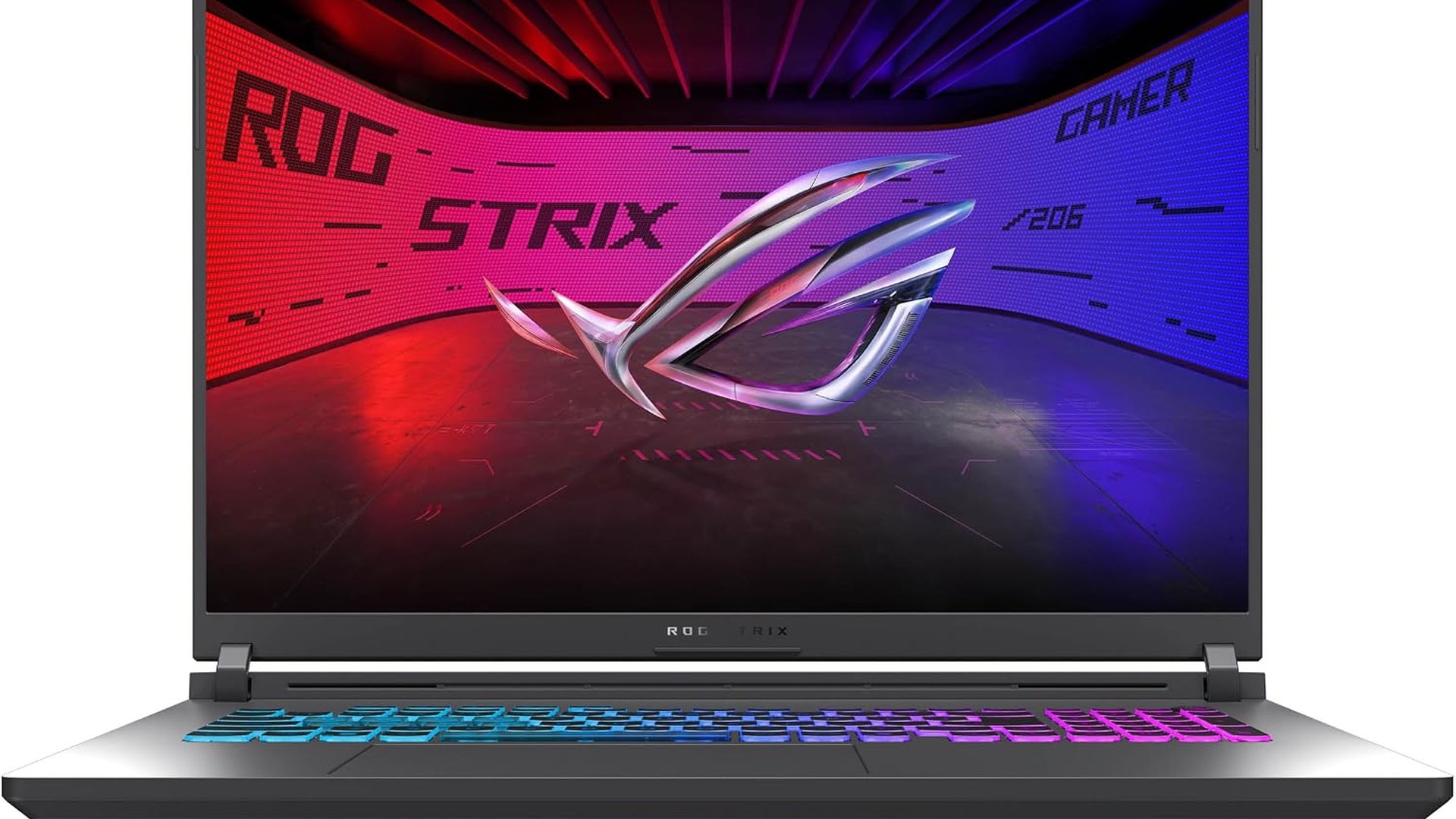
The 2025 ASUS ROG Strix G18 with an RTX 5070 is $2,369.99 at Amazon, against a $2,799.99 list price. The Core i9 14900HX inside it is a 14th-generation Intel chip from early 2024, and that choice is what sets the screen.
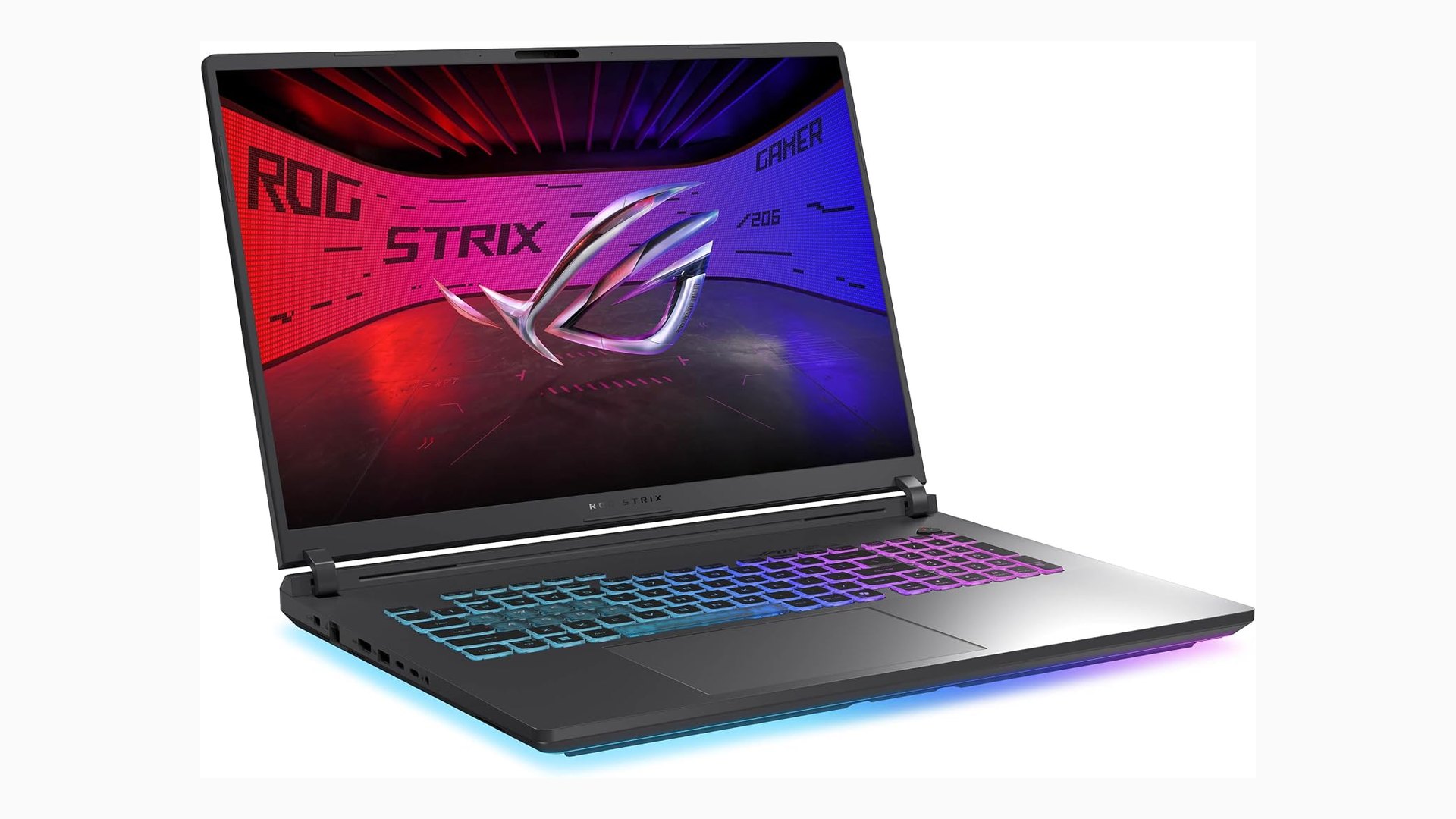
ASUS splits the 2025 G18 line by processor on its own tech specs page. The builds with a 14th-gen Core i9 or Core i7 carry an 18-inch 144Hz panel with 100% sRGB coverage, and only the Core Ultra 9 275HX builds get the 2.5K Nebula display.
ASUS also publishes an ASUS Store price of $2,499.99 for this model line. Amazon sits $130 under that figure, a narrower gap than the 15% badge on the listing implies.
Why the Core i9 14900HX decides the screen
Intel lists the Core i9 14900HX with 24 cores, split into 8 performance cores and 16 efficient cores, and 32 threads. Maximum turbo is 5.8 GHz, processor base power is 55 W and maximum turbo power is 157 W.
It is a 14th-gen Core chip rather than a Core Ultra, so it has no neural processing unit. ASUS lists the Core Ultra 9 275HX option in the same chassis with an Intel AI Boost NPU rated up to 13 TOPS.
Putting a 2024 Intel chip next to Blackwell graphics looks strange on a spec sheet. It is not a leftover, though, because ASUS codes these units G815JPR and ships them inside the same 2025 G815 family as the Core Ultra models.
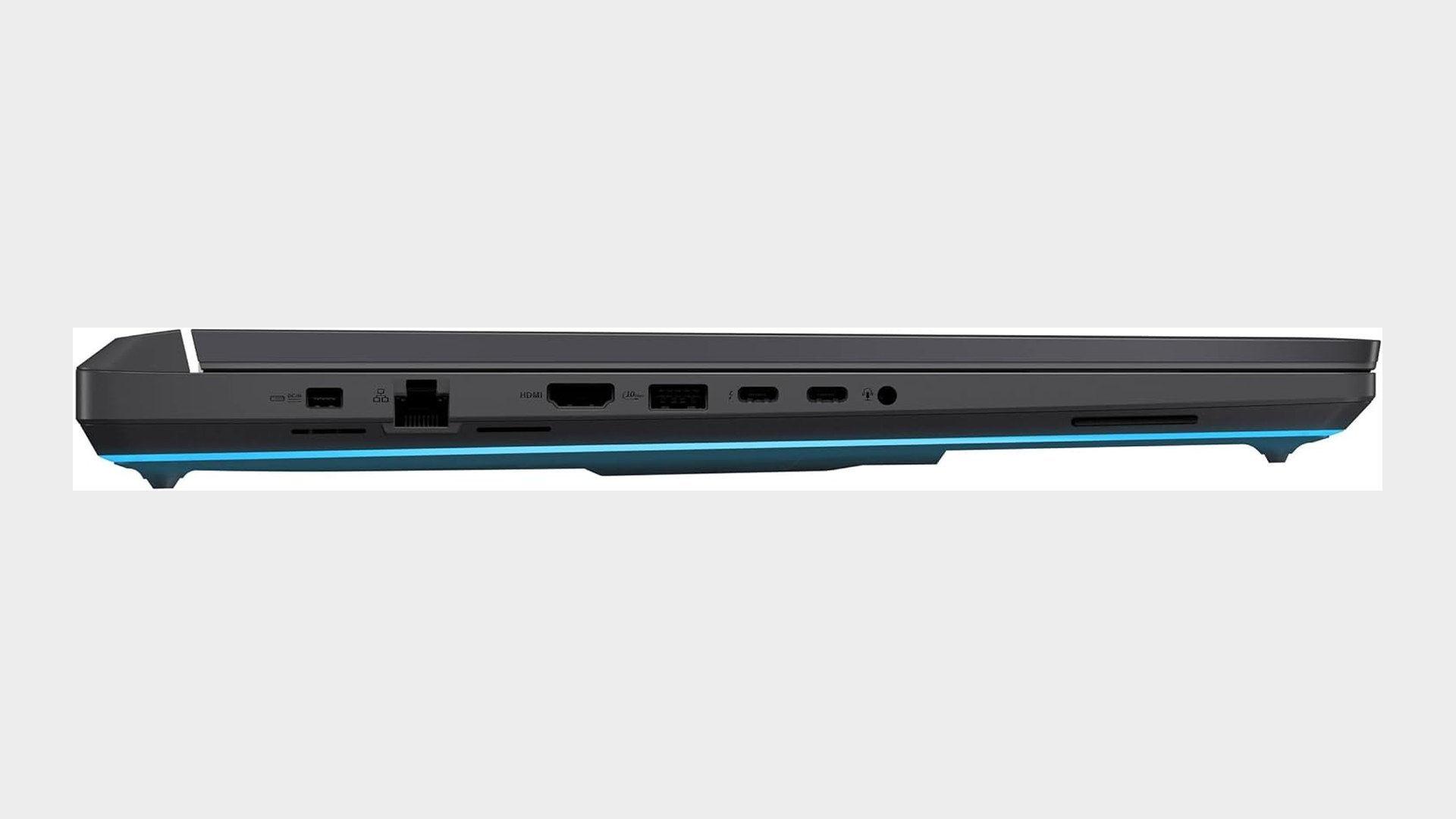
ASUS ROG Strix G18 (2025) specifications
| Specification | ASUS ROG Strix G18 (2025) |
|---|---|
| Processor | Intel Core i9 14900HX, 24 cores, 32 threads, up to 5.8 GHz |
| Graphics | NVIDIA GeForce RTX 5070 Laptop GPU, 8GB GDDR7 |
| GPU power | ROG Boost 1475MHz at 115W, 100W plus 15W Dynamic Boost |
| Display | 18-inch IPS-level, anti-glare, 100% sRGB, 144Hz, 3ms |
| Memory | 32GB DDR5-5600 per the listing, two SO-DIMM slots, 64GB maximum |
| Storage | 1TB PCIe 4.0 NVMe SSD, two M.2 slots |
| Wireless | Wi-Fi 7 triple band, Bluetooth 5.4 |
| Weight and battery | 7.05 lbs, 90Wh four-cell |
| Price | $2,369.99, list $2,799.99 |
The RTX 5070 runs at the top of its published power band
ASUS gives the figure as ROG Boost 1475MHz at 115W, built from 100W plus 15W of Dynamic Boost. NVIDIA's laptop comparison page puts GPU subsystem power for the RTX 5070 Laptop GPU at 50 to 100 W.
The graphics part is therefore running at the ceiling of its range rather than a cut-down setting. That matters more than the raw tier, since the same silicon shows up at very different wattages across discounted RTX 50 series laptops.
The chassis itself takes more. ASUS lists a 140W RTX 5070 Ti and a 175W RTX 5080 in the same G18 body.
That is the sort of thermal headroom that surfaces when owners start pushing ROG laptops past their stock power limits.
Memory on the GPU is 8GB of GDDR7 according to ASUS. That is the common configuration for the part that has become the most widely used GPU in the Steam hardware survey.
How the price compares with the other RTX 5070 laptops on Amazon
Two other machines in the same listing set carry live prices. Both ship from third-party sellers rather than Amazon, which is the main difference once the specs are set side by side.
| Laptop | Price | Graphics | Display | Seller |
|---|---|---|---|---|
| ASUS ROG Strix G18 (2025) | $2,369.99 | RTX 5070, 8GB | 18-inch 144Hz | Amazon.com |
| HP HyperX Omen 16 | $2,549.00 | RTX 5070, 8GB | 16-inch 2.5K OLED 165Hz | PCOnline US |
| Lenovo Legion Pro 5 16-inch | $4,149.00 | RTX 5070 Ti | 16-inch WQXGA 240Hz | Snow Bell |
The Omen 16 costs $179.01 more and trades eight inches of screen diagonal for a 2.5K OLED panel. Its listing reads "Only 17 left in stock - order soon", so that price has a short shelf life.
The Legion Pro 5 at $4,149.00 is a different class of purchase. Its listing states the seal is opened for upgrade, with the reseller carrying the warranty on the fitted RAM and SSD rather than Lenovo.
What ASUS and the listing do not publish
This is not the ROG Strix G16 from 2026, which is a separate 16-inch line coded G615. ASUS gives that one a Core Ultra 9 290HX Plus, a 2.5K 300Hz screen and up to a 175W RTX 5080, so the two should not be read as neighbours on a price list.
ASUS never prints a pixel resolution for the 144Hz panel on its US spec page. The FHD+ 16:10 description comes from the retail listing, and neither source gives brightness, contrast or a G-Sync claim for that screen.
ASUS also marks every 2025 G18 configuration as coming soon on its own where-to-buy table, and does not attach the $2,499.99 figure to a specific model code. Amazon lists no end date for the discount, and prices at both stores can move at any time.

Discussion (0)
Be the first to comment.