



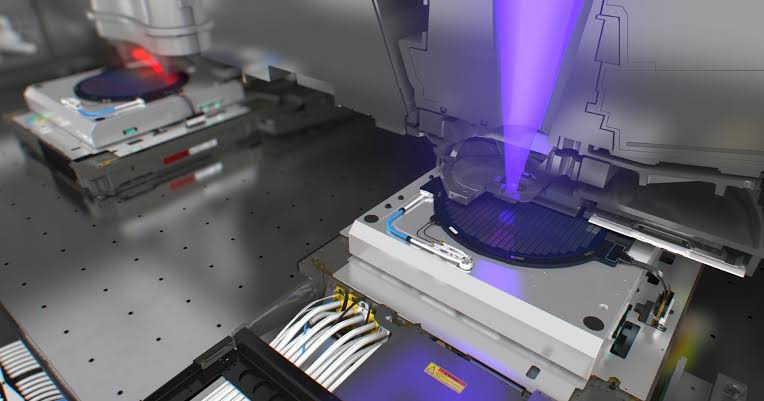
ASML is reportedly preparing to increase prices for replacement parts used in its semiconductor manufacturing equipment by 10 percent, adding another layer of cost pressure to a chip industry already dealing with expensive memory and rising equipment prices.
The reported increase is expected to take effect in January 2027 and would apply broadly to replacement components used in both EUV and DUV lithography systems.
Samsung and SK hynix are said to have received the proposal through their Korean subsidiaries in September and reportedly agreed to the higher pricing.
The development comes as both memory manufacturers are benefiting from strong demand and higher DRAM prices, driven in large part by AI infrastructure and data center expansion.
ASML Parts Could Cost 10 Percent More From January
Modern lithography systems contain many highly specialized components that require replacement or servicing over their operating lives.
The reported ASML increase would cover parts associated with systems such as lenses, mirrors, light sources, precision actuators and other photolithography equipment.
| Reported change | Details |
|---|---|
| Company | ASML |
| Planned increase | 10% |
| Expected start | January 2027 |
| Products affected | Replacement parts for EUV and DUV equipment |
| Customers mentioned | Samsung and SK hynix |
| Chinese DUV customers | Also reportedly facing a 10% increase |
| Other equipment makers raising prices | Applied Materials and Tokyo Electron |
ASML occupies an especially important position in semiconductor manufacturing because it is the only supplier of advanced EUV lithography systems used to produce leading edge chips.
That gives the company considerable influence over equipment and service pricing.
The report claims ASML is seeking higher margins as major customers generate stronger earnings during the current memory cycle.
An unnamed industry source reportedly said the company wants its profitability to better reflect what large customers such as Samsung and SK hynix are earning.
Samsung and SK Hynix Reportedly Accepted the Increase
Samsung and SK hynix are both major buyers of semiconductor manufacturing equipment and are expanding production to meet AI related memory demand.
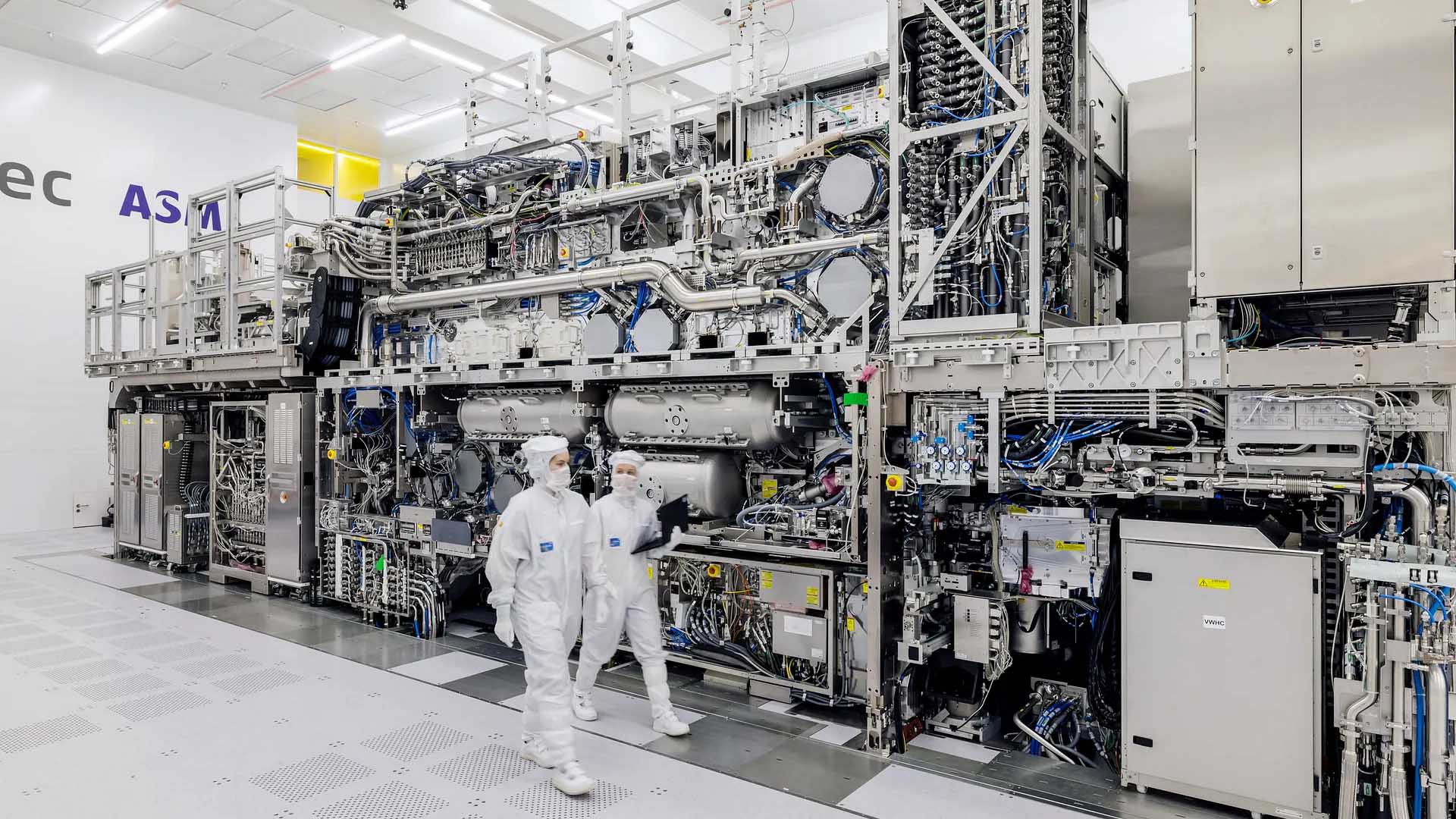
Their businesses have benefited from higher DRAM pricing and strong demand for advanced memory products.
According to the report, both companies accepted ASML's proposed 10 percent parts increase.
ASML itself is already expecting strong growth even before the reported pricing adjustment. The company has forecast revenue growth of more than 30 percent this year.
The reported change would therefore add to that growth rather than compensate for a decline in demand.
Chinese customers purchasing DUV systems are also expected to pay an additional 10 percent under the new pricing structure.
Other Semiconductor Equipment Companies Are Also Raising Prices
ASML does not appear to be the only supplier seeking higher prices.
Applied Materials and Japan based Tokyo Electron have also reportedly increased pricing for some products.
This points to a broader shift across the semiconductor equipment supply chain.
Chipmakers are spending heavily to expand production for AI processors, high bandwidth memory and other advanced components. Equipment manufacturers can benefit from that investment because their machines are essential for adding new manufacturing capacity.
Higher equipment and maintenance costs may eventually increase the cost of producing chips, particularly when combined with expensive memory, packaging and materials.
Consumers Could Eventually Feel the Effects
The immediate customers affected by the reported ASML changes are semiconductor manufacturers rather than consumers.
However, repeated increases throughout the supply chain can eventually influence the prices of finished products.
Chipmakers have to account for equipment purchases, replacement parts, maintenance, materials and other production expenses when calculating manufacturing costs.
If several suppliers raise prices at the same time, those additional expenses can move through the supply chain into processors, memory, graphics cards and other electronics.
The January 2027 increase remains based on industry reporting rather than a public ASML announcement detailing the complete pricing structure.
Still, reports of similar increases from several major equipment suppliers suggest that the cost of expanding and maintaining advanced semiconductor production is continuing to rise as companies compete for capacity during the AI investment cycle.
Discussion (0)
Be the first to comment.