



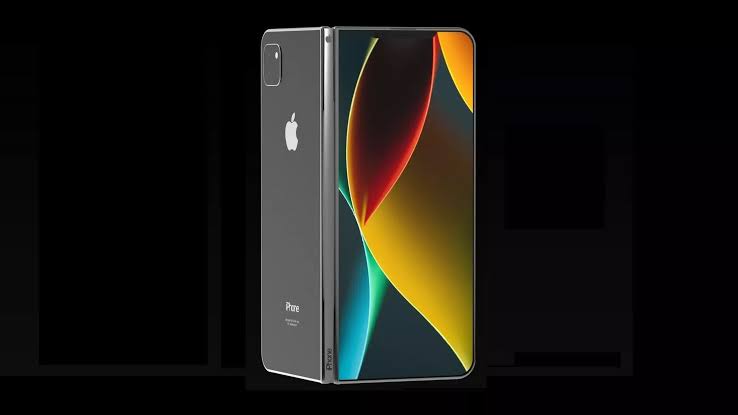
Apple is reportedly preparing a larger production run for its first foldable iPhone, with suppliers said to be targeting around 10 million units for 2026. The device has not been announced, but the reported order volume suggests Apple may be confident that demand will be strong despite a possible starting price near $2,500.
The foldable iPhone is widely expected to launch alongside the iPhone 18 Pro lineup later this year. Rumors suggest Apple could position it as a premium new category rather than a replacement for the standard iPhone Pro models.
That approach would make sense if the device arrives with a high price, advanced display technology, and a design aimed at buyers who want a phone that can also work as a small tablet.
Apple’s Foldable iPhone Could Be Its Most Expensive Mainstream Device Yet
Current reports suggest the first foldable iPhone may cost around $2,500, with higher-storage versions potentially approaching $3,000.
That would place it far above the expected price of the iPhone 18 Pro and iPhone 18 Pro Max. It would also make the foldable iPhone one of the most expensive consumer smartphones ever released at scale.
| Expected detail | Reported information |
|---|---|
| Possible name | iPhone Ultra |
| Expected launch period | Fall 2026 |
| Reported production target | Around 10 million units |
| Estimated starting price | Around $2,500 |
| Higher storage pricing | Could approach $3,000 |
| Form factor | Book-style foldable |
| Inner display | Around 7.8 inches |
| Cover display | Around 5.5 inches |
Apple has not confirmed any of these details. However, a reported target of 10 million units would be unusually ambitious for a first-generation foldable device, especially one expected to carry such a high price.
A Wider Foldable Screen Could Make It Feel More Like a Small Tablet
The rumored design is expected to use a book-style folding format, similar in principle to devices such as the Galaxy Z Fold series. When closed, it could work like a normal smartphone. When opened, it may offer a wider internal display closer to a compact tablet.
The reported 7.8-inch inner display could give Apple more room for multitasking, video playback, games, productivity apps, reading, and creative tools.
A 5.5-inch cover screen would likely be used for everyday tasks when the device is folded. That could include messages, calls, browsing, payments, navigation, and quick camera use.
The larger inner display may be one reason Apple is reportedly preparing iOS changes related to multiple displays and hinge positions.
Apple May Be Focused on Reducing the Screen Crease
One of the biggest issues with current foldable phones is the visible crease that can appear in the middle of the internal display.
Reports suggest Apple may be using a mix of ultra-thin glass, a redesigned hinge, and a specialized adhesive layer to make the fold less visible. The adhesive is said to fill tiny gaps and reduce light scattering, which could help lower the appearance of a crease.
The hinge may also use a liquid metal alloy, potentially improving durability while helping the display fold more evenly.
| Rumored design feature | Possible purpose |
|---|---|
| Ultra-thin glass | Allows the screen to fold safely |
| Variable glass thickness | Reduces stress around the fold |
| Advanced adhesive layer | Helps reduce visible crease effects |
| Liquid metal hinge | Could improve strength and durability |
| Wide inner display | Supports tablet-like use when opened |
If Apple can noticeably reduce the crease, that may become one of the foldable iPhone’s strongest selling points.
Touch ID and Fewer Cameras Could Be the Trade-Offs
The device may reportedly use a side-mounted Touch ID sensor instead of Face ID. This could be because Face ID hardware is difficult to fit inside a thin folding design.
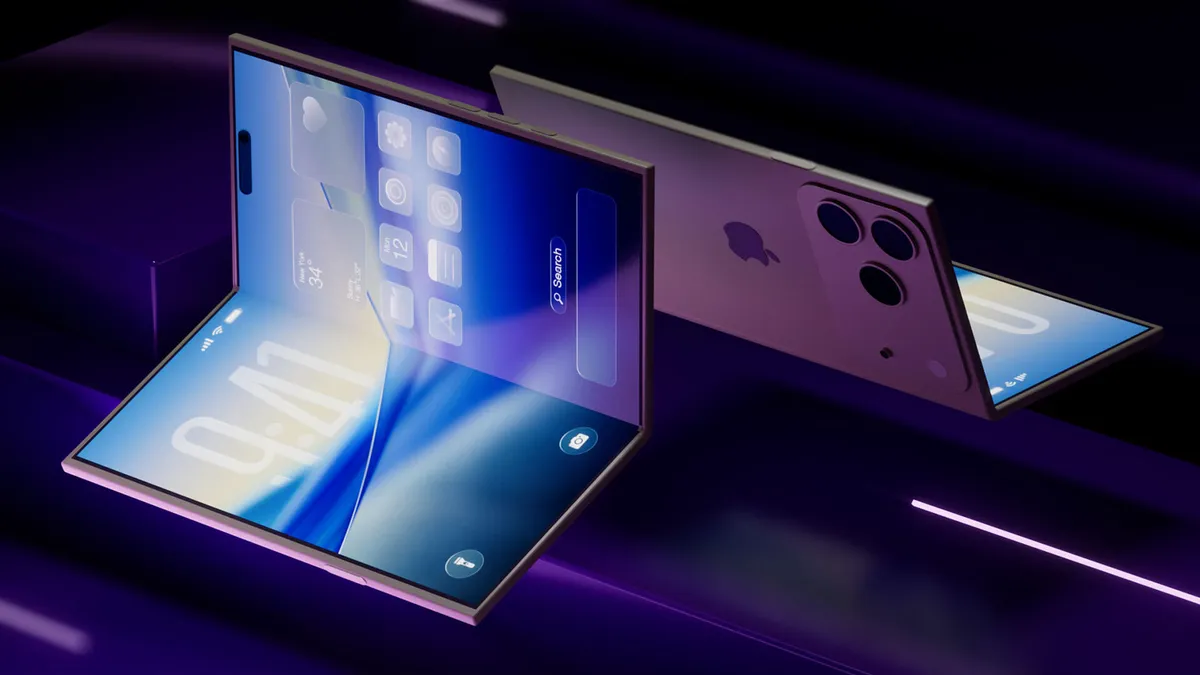
There are also claims that Apple could use only two rear cameras instead of the more advanced camera systems expected on its Pro models.
That would be a notable compromise at a $2,500 price point. Buyers may expect Apple’s most expensive phone to include its best cameras, but foldable hardware often forces difficult choices around thickness, battery size, cooling, displays, and internal space.
Apple Will Need to Prove Why the Foldable Is Worth the Cost
A high price alone will not stop Apple fans from buying a new product category, but the foldable iPhone will still face a difficult test.
Foldable phones have improved over the years, yet many buyers remain concerned about durability, display creases, battery life, repair costs, and whether a bigger screen is worth the extra money.
Apple’s reported production plans suggest it believes it can solve enough of those concerns. The company may be betting that a polished design, strong software support, and a nearly crease-free display can convince buyers to pay far more than they would for a standard flagship phone.
Until Apple makes an official announcement, the foldable iPhone remains a rumor. But if the reported production target is accurate, Apple may be preparing one of its biggest iPhone changes in years.



Discussion (0)
Be the first to comment.