



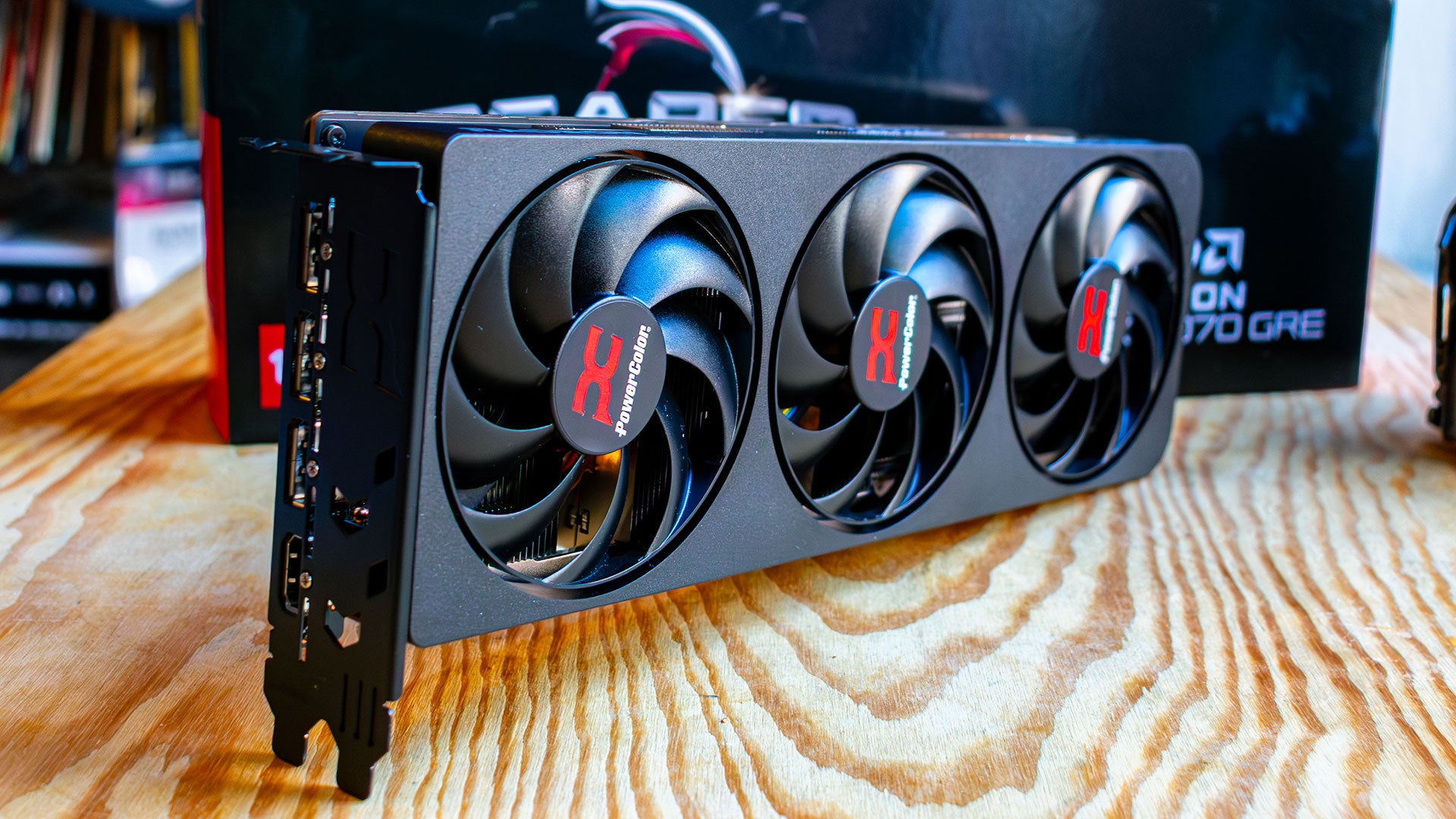
AMD’s new Radeon RX 9070 GRE appears to have had a weak start in Germany, with early retail data suggesting that buyers are not interested in the card at its current price. The GPU launched with a $549 price tag, but listings at major German retailer Mindfactory show several models sitting in stock with little to no movement on day one.
The problem is not that the Radeon RX 9070 GRE is a bad graphics card on paper. It is based on AMD’s RDNA 4 architecture and uses a cut down Navi 48 GPU with 12GB of VRAM. AMD has positioned it against Nvidia’s GeForce RTX 5060 Ti, claiming stronger performance in some areas. But the issue is simple: buyers do not seem convinced that the card offers enough value for the money.
In Germany, RX 9070 GRE models are listed around 559 euros to 599 euros. That puts the card dangerously close to faster Radeon RX 9070 models, which offer a stronger memory configuration, wider memory bus, more VRAM, and higher bandwidth. When two cards are priced so close together, most buyers will naturally choose the better model.
The RX 9070 GRE needs a price cut to make sense
The early sales situation shows how sensitive the GPU market has become. Gamers are already dealing with expensive memory, higher component costs, and limited value in several price segments. A new graphics card cannot simply arrive with a high price and expect buyers to accept it.
The RX 9070 GRE has a clear positioning problem. AMD is not treating it as a direct RTX 5070 rival. Instead, it is being compared more closely with the RTX 5060 Ti. That makes the $549 price harder to defend, especially when buyers can look slightly higher and find better options.
| GPU | Main issue for buyers |
|---|---|
| Radeon RX 9070 GRE | 12GB VRAM and high launch price |
| Radeon RX 9070 | Faster card with better memory setup |
| Radeon RX 9070 XT | Stronger performance, but also expensive |
| GeForce RTX 5060 Ti | Nvidia rival AMD is targeting |
The 12GB VRAM capacity is not terrible, but it does not help the card stand out at this price. Many buyers now pay close attention to VRAM because modern games are becoming more demanding. At more than 500 euros, people expect a card that feels safe for several years, not one that already looks like a compromised version of a better GPU.
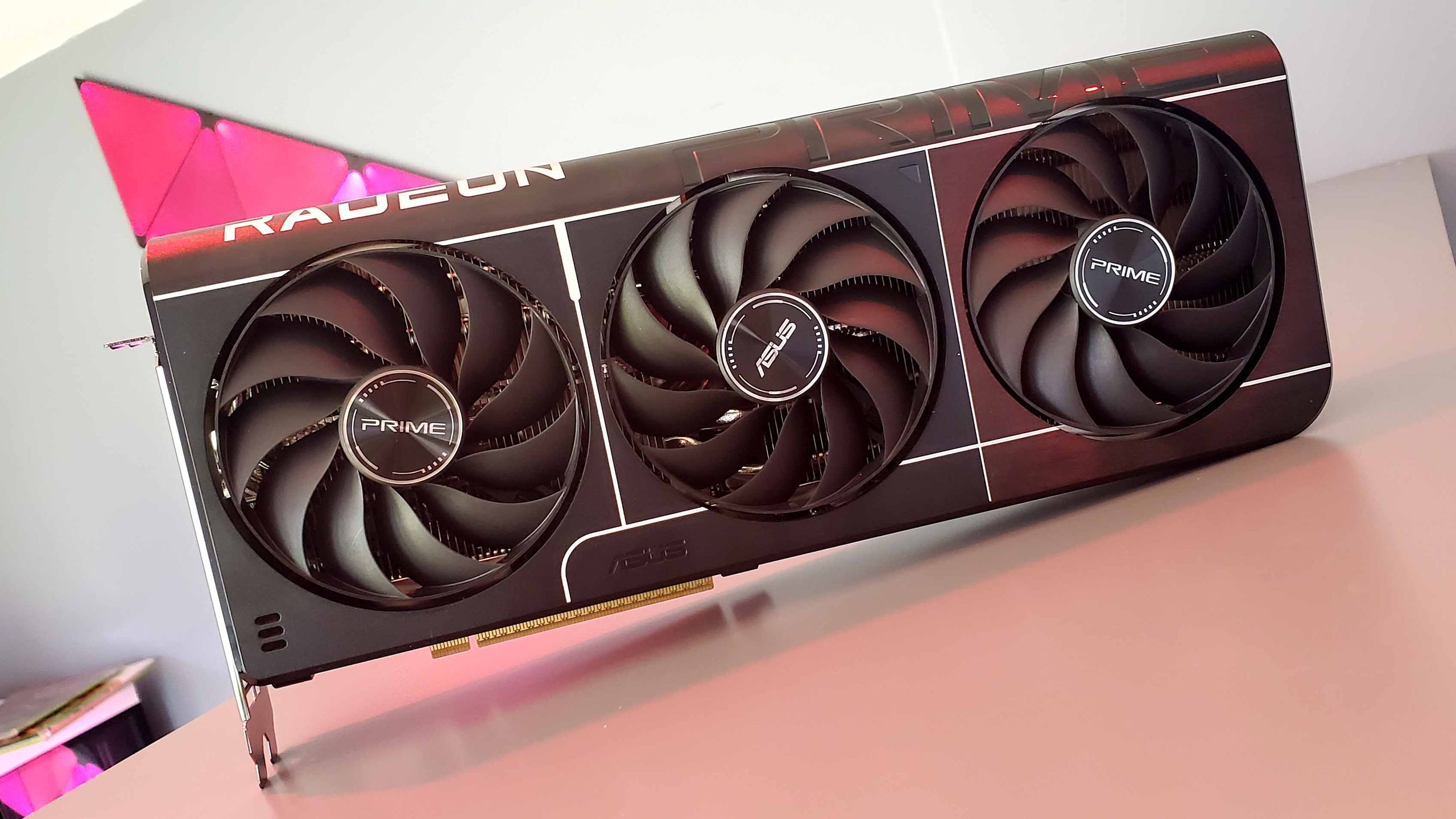
This is where AMD may have misread the market. The Radeon RX 9070 GRE could work well if it were priced more aggressively. At around 500 euros or lower, it would have a clearer purpose. It could become a value focused RDNA 4 card for gamers who want strong 1440p performance without paying RX 9070 or RX 9070 XT prices.
At its current price, however, it looks squeezed from both sides. Faster AMD cards are too close in price, while Nvidia’s cards still benefit from stronger brand recognition, DLSS support, and broader mindshare. AMD needs compelling value to win in this segment, and the RX 9070 GRE does not appear to deliver that value yet.
The German sales data should not be treated as a final verdict for the card worldwide. It is only one market and one retailer snapshot. Prices can also change quickly after launch, especially if retailers see weak demand. But the early signal is hard to ignore. If a new GPU launches and buyers do not move, the price is usually the first thing that needs fixing.
AMD has done well when it gives gamers a clear reason to choose Radeon, whether through strong pricing, good VRAM, or competitive performance. The RX 9070 GRE needs that same clarity. Right now, it feels like a card built to fill a gap, but not priced well enough to own that gap.
Unless AMD or its partners reduce pricing soon, the Radeon RX 9070 GRE may continue to sit on shelves. The hardware may be capable, but the launch shows that gamers are not willing to pay near RX 9070 money for a cut down card with a weaker memory setup.



Discussion (0)
Be the first to comment.