



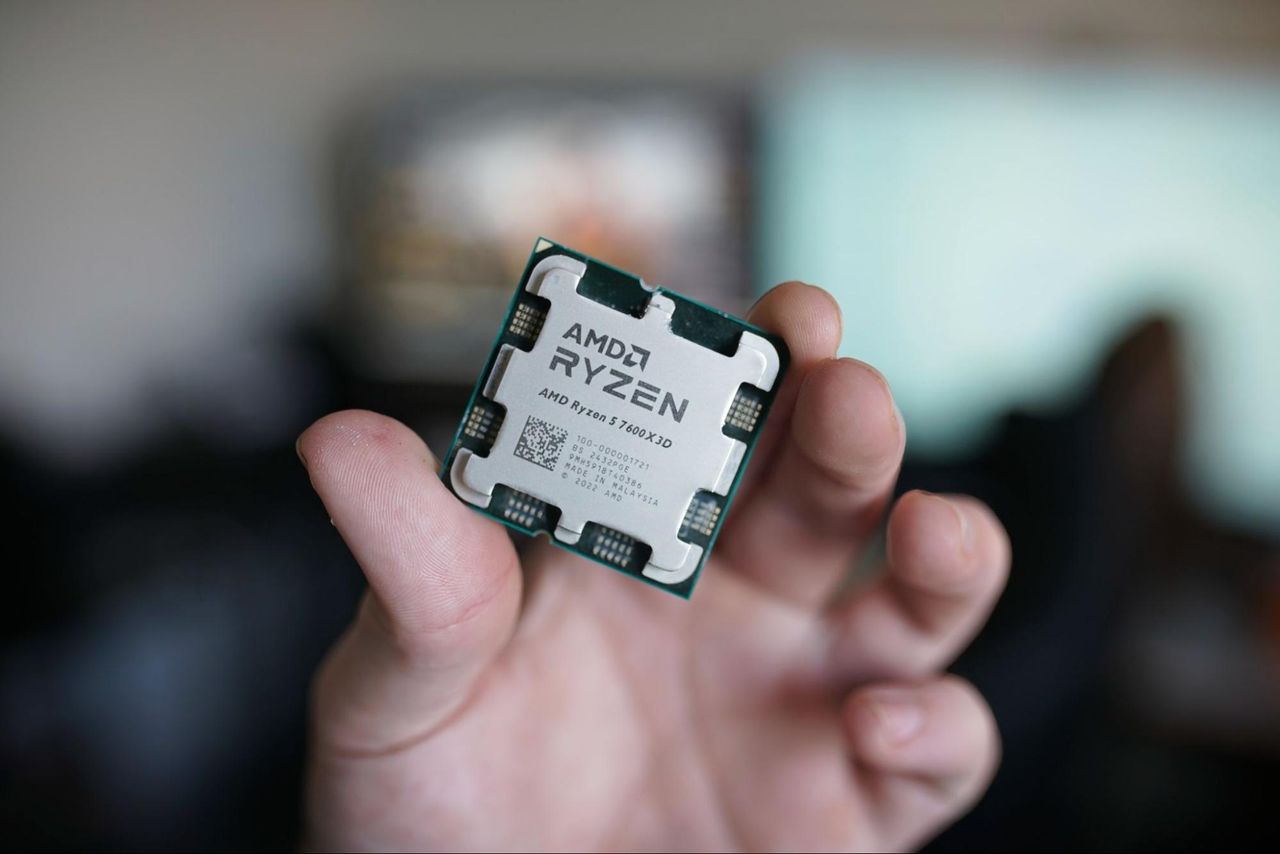
AMD is bringing Transparent Secure Memory Encryption back to consumer Ryzen 9000 processors through a future BIOS update after quietly removing the feature from non PRO chips. The decision follows criticism from security focused users who discovered that TSME had disappeared after newer motherboard firmware updates without a clear public explanation from AMD.
TSME is designed to encrypt data stored in system memory using a key generated by the processor. Its main purpose is to protect sensitive information against attacks that require physical access to a computer, such as cold boot attacks.
The feature was previously available on mainstream Ryzen systems, but some users found that it had been disabled or marked as unsupported after recent AGESA based BIOS updates. AMD later confirmed that the feature had been removed from consumer chips and reserved for Ryzen PRO processors.
That decision has now been reversed.
AMD will return TSME through another BIOS update
AMD has reportedly confirmed that it plans to restore TSME support for non PRO Ryzen 9000 processors. The company said the change comes after receiving valuable feedback from the community.
The fix will arrive through another BIOS update, meaning motherboard manufacturers will need to prepare and release updated firmware for supported AM5 boards.
| Feature | Current situation |
|---|---|
| TSME | Being restored for consumer Ryzen 9000 CPUs |
| Main purpose | Encrypts data stored in system RAM |
| Security benefit | Helps reduce risk from physical memory attacks |
| Previous change | Quietly removed through firmware updates |
| Ryzen PRO status | Feature remained available |
| Return method | New BIOS update from motherboard vendors |
AMD has not provided a precise release date for the new firmware. Availability may also vary depending on motherboard maker and model.
What Transparent Secure Memory Encryption does
Transparent Secure Memory Encryption, often shortened to TSME, protects information stored in RAM by encrypting it automatically. The processor generates an encryption key and uses it to secure memory contents while the system is running.
This can help protect against attacks where someone gains direct physical access to the computer and attempts to read data left in memory.
For most home PC owners, this is not likely to be an everyday threat. However, the feature can still matter for people handling sensitive personal files, financial records, development data, workplace documents, or other private information.
The concern was not only about the security feature itself. Many people were frustrated that it appeared to be removed without being clearly listed in AMD’s firmware notes.
The lack of communication caused the biggest problem
The removal was discovered by users rather than announced by AMD. Some owners updated their BIOS and later found that TSME was no longer supported, despite having enabled it previously.
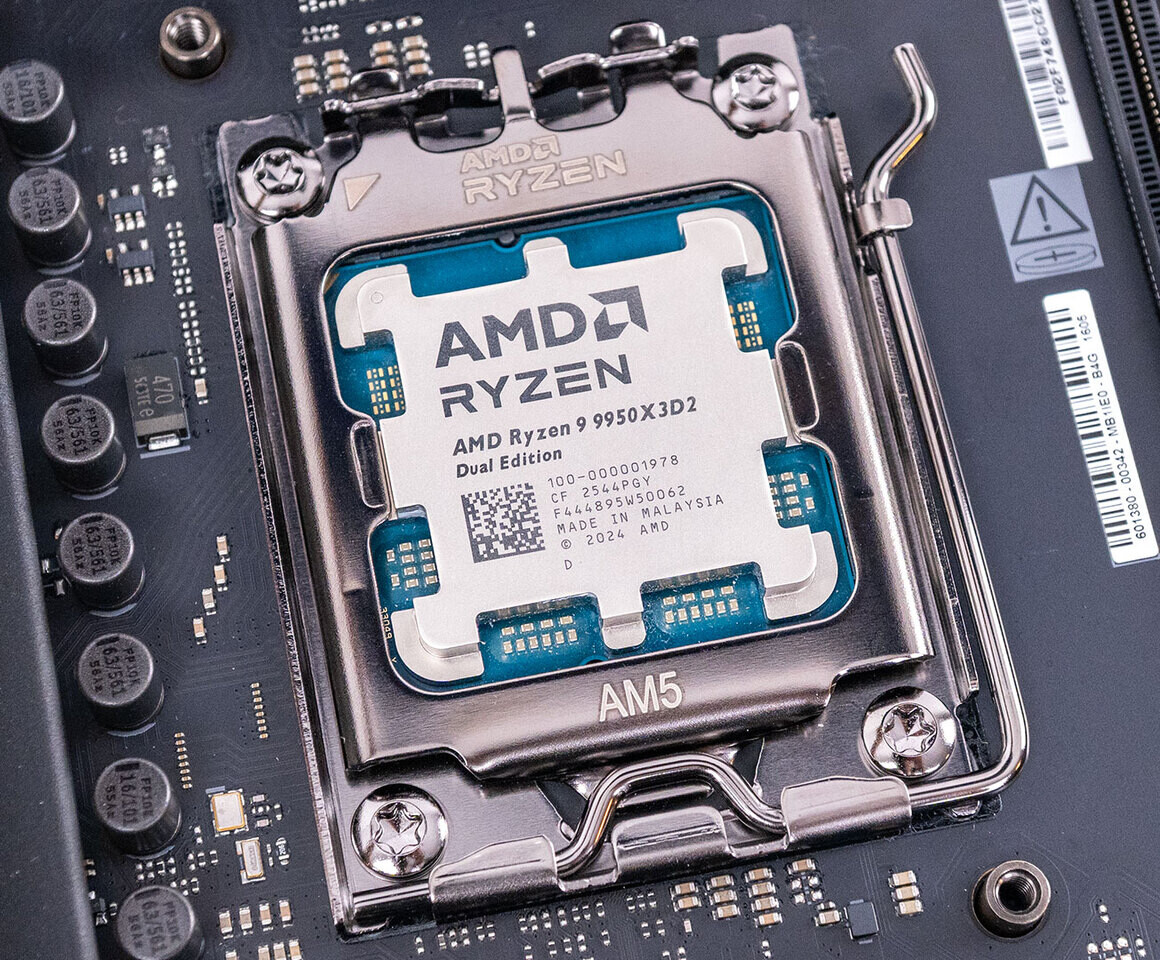
This created confusion because motherboard vendors also appeared to have limited information about the change. Users expected major security related adjustments to be documented clearly, especially when a feature was being removed from consumer hardware.
AMD’s reversal suggests the response from the community had an impact. Restoring the feature is a positive step, but the episode highlights why firmware changes need better communication.
A BIOS update can affect performance, compatibility, security settings, memory behavior, CPU support, and system stability. Clear release notes help people decide whether they should update immediately or wait.
Ryzen PRO chips were expected to retain the feature
AMD initially limited TSME support to Ryzen PRO processors, which are typically aimed at business systems and enterprise users. These chips often include additional manageability, security, and deployment features.
That decision made some sense from a product segmentation perspective, but it was harder to justify for people who had already used TSME on a mainstream Ryzen system.
Consumer Ryzen 9000 processors are also used in powerful desktop workstations, home offices, developer PCs, and gaming systems that may contain sensitive information. Removing a security feature without warning made the change feel unnecessary to many owners.
What Ryzen 9000 owners should do next
If you use a Ryzen 9000 processor and want TSME support, keep an eye on your motherboard manufacturer’s BIOS download page over the coming weeks.
Before installing any BIOS update, it is worth checking a few things:
- Read the firmware notes for TSME or AGESA changes
- Confirm that the BIOS supports your exact motherboard revision
- Back up important files before updating
- Avoid interrupting the update process
- Reset and recheck security settings after the update finishes
- Enable TSME again if the option appears in BIOS
Motherboard BIOS menus differ between brands, so the setting may not appear in exactly the same place on every AM5 board.
AMD’s response is a win for Ryzen owners
AMD restoring TSME is a good outcome for Ryzen 9000 owners who value memory encryption. The feature may not affect gaming performance or day to day use for everyone, but security options should remain available when the hardware supports them.
The bigger lesson is that security related firmware changes should never be handled quietly. People need to know when an update adds, removes, or changes a protection feature on their PC.
For now, Ryzen 9000 owners can expect TSME to return through a future BIOS release, restoring a feature that many believed should not have disappeared in the first place.



Discussion (0)
Be the first to comment.