



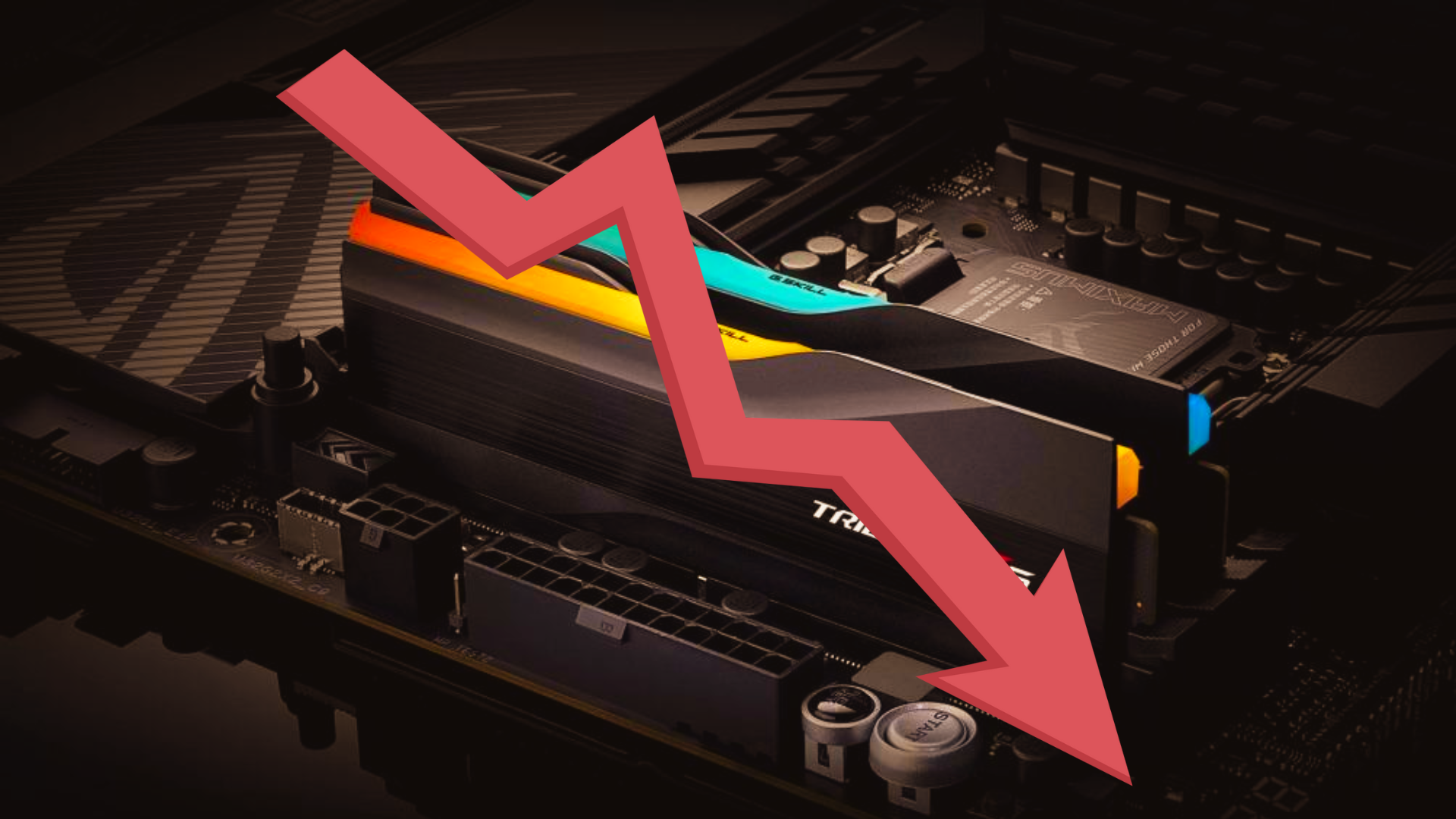
DDR5 memory prices may not return to normal until 2028, according to comments attributed to AMD executive David McAfee. The warning points to a longer than expected memory crunch as AI demand continues to absorb supply that would normally help keep consumer PC prices under control.
The issue is not limited to one brand or one region. DDR5 prices have risen sharply across the mainstream PC market, with some reports claiming that kits are now selling several times higher than earlier levels in certain regions. That creates a difficult situation for people building new PCs, upgrading to newer platforms, or trying to move from older DDR4 systems to current DDR5 based hardware.
The main pressure comes from the AI boom. Data centers and AI infrastructure need large amounts of memory, and major memory manufacturers are shifting capacity to serve that demand. As fabs focus more heavily on newer memory production and high value customers, the consumer market is left with tighter supply and higher prices.
McAfee reportedly expects DDR5 pricing pressure to continue for roughly two more years. That would mean the current shortage could affect buyers through 2026 and 2027 before easing closer to 2028.
AI demand is changing the PC memory market
The memory market has always moved in cycles, but the current situation is different because AI demand is reshaping priorities. Server and accelerator memory has become a major growth area, and memory makers naturally want to supply the parts of the market with the highest demand and strongest margins.
That shift affects everyday PC buyers. DDR5 is the standard for newer platforms, including modern AMD and Intel systems. When DDR5 becomes expensive, the total cost of a new build rises quickly.
| Market effect | What it means for PC buyers |
|---|---|
| DDR5 prices remain high | New PC builds cost more |
| AI demand absorbs supply | Consumer memory gets tighter |
| DDR4 production declines | Older platforms also face pressure |
| DDR4 demand rises again | Budget builders return to older systems |
| Motherboard makers respond | More DDR4 compatible boards may appear |
| Relief may take until 2028 | Buyers may wait longer for normal pricing |
This is especially painful because DDR5 was supposed to become more affordable as production matured. Instead, demand from AI infrastructure has disrupted the usual price drop cycle.
DDR4 is getting a second life
High DDR5 pricing is pushing some buyers back toward older DDR4 platforms. That may seem strange in 2026, but it makes sense for people who want value over the latest features.
A DDR4 based PC can still be fast enough for gaming, office work, content creation, and everyday use. For many people, saving money on memory and motherboard costs matters more than chasing the newest platform.

The problem is that DDR4 is not immune to price pressure either. Memory makers have reduced focus on DDR4 production as the market shifted toward DDR5. Now, with DDR5 prices high, demand for DDR4 has increased again, creating pressure on a shrinking supply base.
That has reportedly encouraged some motherboard makers to ramp up DDR4 compatible products again. Chip makers are also still leaning on older platforms where they make sense, especially for value focused buyers.
AMD’s AM4 platform remains one of the clearest examples. It still has a large installed base, and chips like the Ryzen 7 5800X3D remain attractive because they offer strong gaming performance without forcing buyers into a full DDR5 upgrade.
The shortage affects more than memory sticks
Expensive DDR5 does not only raise the price of RAM kits. It can influence the whole PC market. If memory costs stay high, PC builders may delay upgrades, choose lower capacity kits, reuse older hardware, or avoid newer platforms altogether.
That can affect CPU sales, motherboard demand, gaming PC prices, and even laptop pricing. Manufacturers have to decide whether to absorb higher component costs or pass them on to buyers. In most cases, consumers end up paying at least part of the difference.
For gaming PCs, the timing is especially difficult. Modern games are becoming more demanding, and 32GB of RAM is becoming more attractive for higher end builds. But if DDR5 remains expensive, many buyers may stick with 16GB longer than they planned.
Creators and workstation users face the same issue at a larger scale. Video editing, 3D work, software development, and AI related local workloads can all benefit from more memory. Higher prices make those upgrades harder to justify.
PC builders may need to plan more carefully
If DDR5 prices stay elevated until 2028, buyers may need to rethink upgrade timing. A full platform jump may not be the best choice for everyone right now, especially if an existing DDR4 system still performs well.
For budget gamers, an older DDR4 platform with a strong CPU and GPU may remain a smart option. For people building a new high end system, DDR5 is still the future, but memory capacity and pricing will need more careful planning.
The best approach depends on the use case. Someone building a new workstation may still need DDR5 and higher capacity today. A casual gamer or office user may be better off waiting, buying only the memory they need, or choosing a value focused DDR4 setup.
The larger takeaway is clear. The AI boom is no longer affecting only data centers and enterprise hardware. It is now influencing the price of ordinary PC parts. DDR5 was expected to become cheaper over time, but current demand has changed that path.
If AMD’s outlook is accurate, normal DDR5 pricing may still be two years away. Until then, PC builders should expect memory to remain one of the most frustrating parts of upgrading or building a new system.



Discussion (0)
Be the first to comment.