



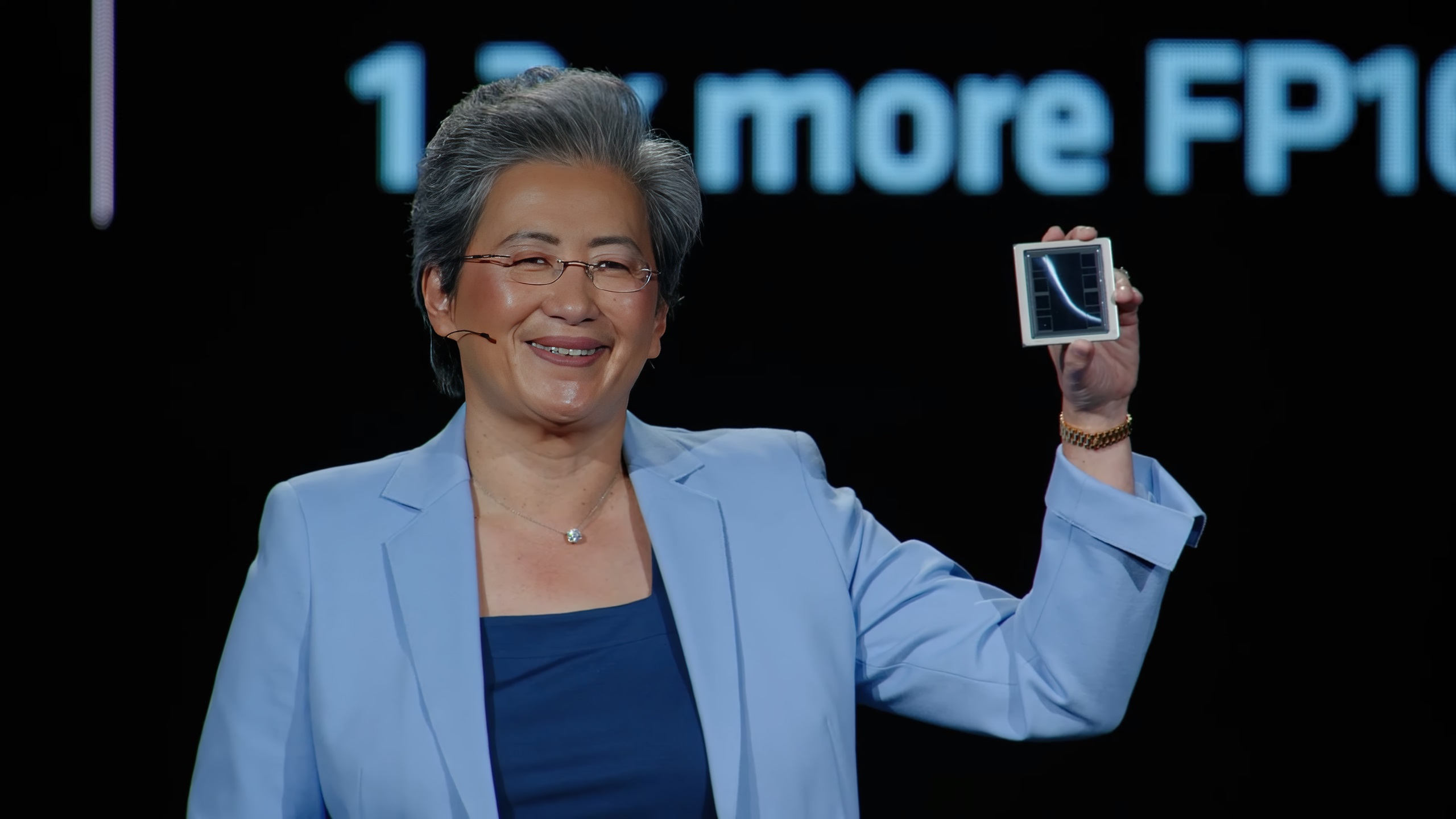
AMD CEO Lisa Su says the rise of agentic AI is creating stronger demand for server CPUs, but she does not see that as a replacement for AI accelerators. Instead, she describes the CPU demand as largely additive to the GPU market.
The reason is how agentic AI works. Large models still need GPUs and accelerators to run heavy AI workloads. But once agents start planning tasks, calling tools, moving data, coordinating workflows, and running parallel processes, CPUs become more important inside the datacenter.
CPUs are becoming part of AI planning from the start
Su said AI helped drive AMD’s cloud growth in the quarter, with major cloud providers expanding their EPYC footprint for general compute, data processing, head nodes for accelerators, and agentic workloads.
Head nodes are the CPU systems that help manage accelerator clusters. They handle orchestration, resource control, data movement, and other tasks that keep GPU systems productive. As AI systems become more agent driven, those CPU tasks grow.
| AI infrastructure area | Why it matters |
|---|---|
| GPUs and accelerators | Run large AI models and heavy inference workloads |
| Server CPUs | Handle orchestration, data movement, and parallel execution |
| Head nodes | Manage GPU and accelerator clusters |
| Agentic AI | Creates more CPU side work around model execution |
The key question is whether more CPU spending reduces GPU spending. Su says no, at least for now. Her view is that accelerators remain necessary for foundational models, while agents create extra CPU tasks around those models.
She also said CPU to GPU ratios are changing. In the past, AI clusters might use CPUs mainly as host nodes in one to four or one to eight CPU to GPU configurations. With agentic AI, that ratio could move closer to one to one. In some future cases, if many agents are running at once, there could even be more CPUs than GPUs in parts of the infrastructure.
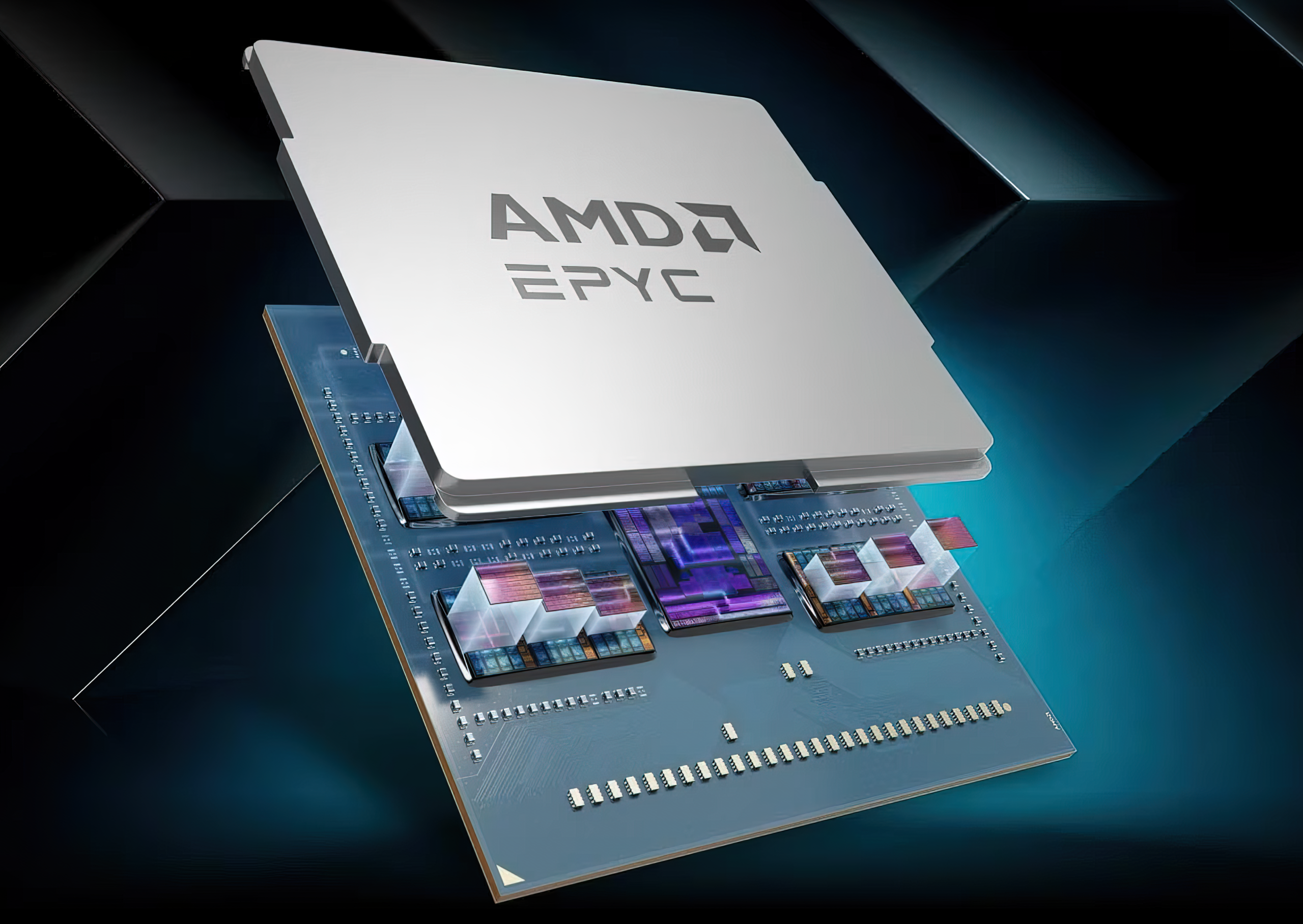
That shift is important for AMD because it sells both EPYC server CPUs and Instinct AI accelerators. If cloud providers plan CPUs and GPUs together for AI deployments, AMD can benefit on both sides.
AMD has also raised its server CPU market view. The company now expects the server CPU market to grow around 35% annually and reach $120 billion, up from its earlier expectation of roughly 18% annual growth over the next few years.
The bigger takeaway is that AI infrastructure is becoming more balanced. The industry still needs more GPUs, but it also needs more CPUs to keep larger AI systems organized and efficient. For AMD, agentic AI is not only an accelerator story. It is also a major EPYC opportunity.

Discussion (0)
Be the first to comment.