



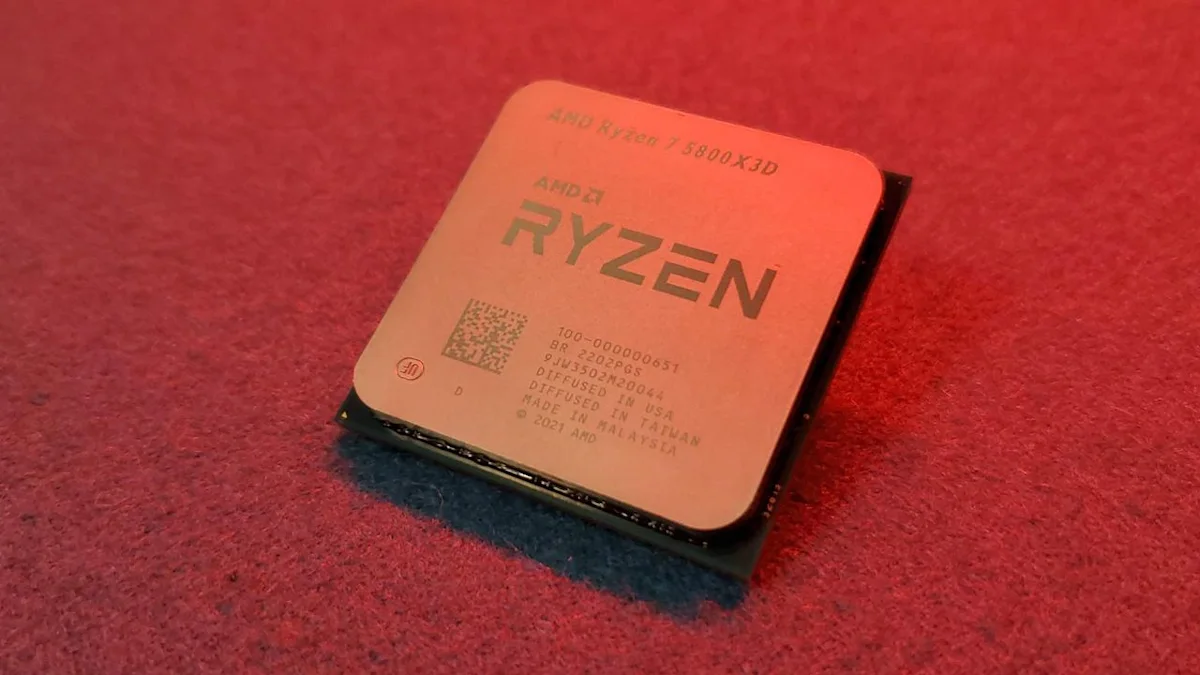
AMD did not simply pull old Ryzen 7 5800X3D stock from a warehouse to bring the chip back for AM4’s 10th anniversary. The company says it had to re-engineer the processor because the original manufacturing method used for the first 3D V-Cache desktop CPU was no longer available.
That makes the return of the Ryzen 7 5800X3D more interesting than a normal product revival. The chip first launched in 2022 and became one of AMD’s most important gaming CPUs because it showed how much 3D V-Cache could improve game performance. Years later, demand for AM4 upgrades remains strong, especially as DDR5 prices have made newer PC builds more expensive.
Many gamers still use AM4 systems with DDR4 memory, and the platform continues to offer a cheaper route to strong gaming performance than a full AM5 upgrade. That demand is one reason AMD decided to bring the 5800X3D back, but the process was not easy.
AMD could not use the original 3D V-Cache process anymore
The main problem was manufacturing. The original Ryzen 7 5800X3D used an earlier version of TSMC’s SoIC hybrid bonding technology, which allowed AMD to stack extra cache directly on top of the CPU compute die. Since then, TSMC has moved to newer generations of its stacking process.
Because the older method was no longer available, AMD could not just restart production using the same design. The company had to adapt the Ryzen 7 5800X3D to newer second generation stacking technology. That meant redesigning parts of the chip package, validating the new production flow, and testing the processor again to make sure it worked reliably.
| Product | Why it matters |
|---|---|
| Ryzen 7 5800X3D | First desktop Ryzen chip with 3D V-Cache |
| AM4 platform | Still popular because it supports cheaper DDR4 builds |
| 3D V-Cache | Helps improve gaming performance without needing the newest platform |
| New anniversary version | Required re-engineering because the old stacking process was gone |
This also explains why the chip disappeared from shelves before returning. If the original manufacturing path was no longer supported, AMD had to decide whether it was worth spending engineering resources to bring the processor back. The company clearly decided that AM4 demand was still strong enough to justify the work.
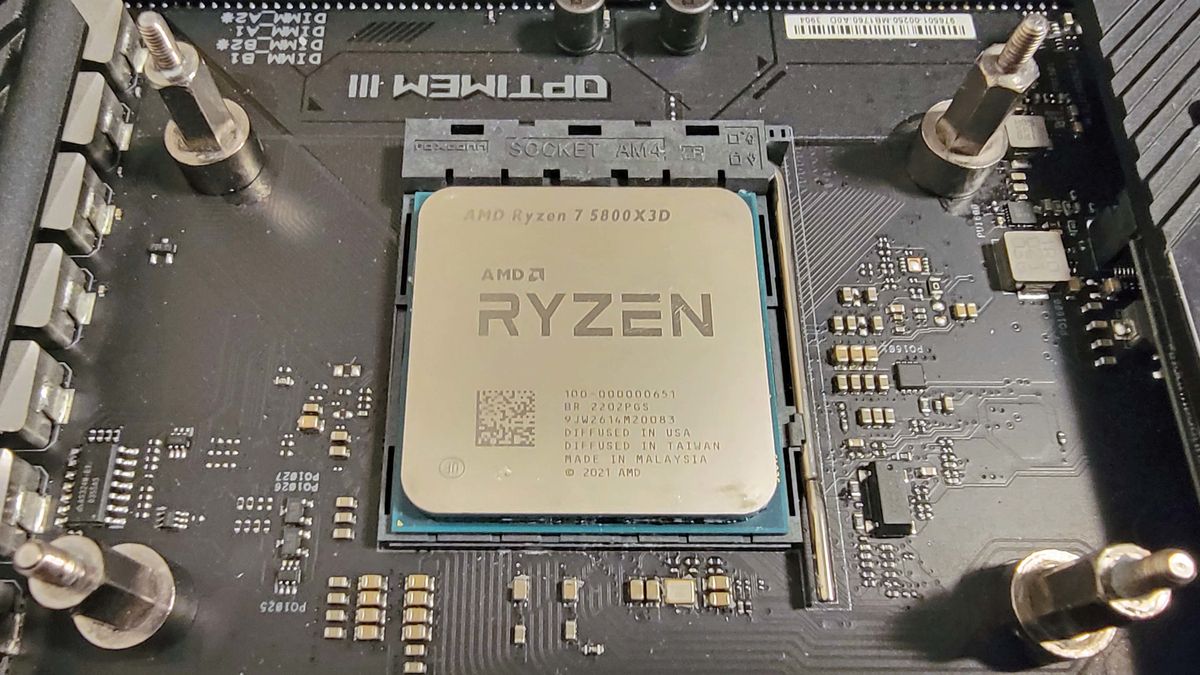
The timing makes sense. Many PC builders are trying to avoid expensive DDR5 memory and newer motherboard platforms. A revived 5800X3D gives existing AM4 owners a high value gaming upgrade without replacing their motherboard or RAM.
At the same time, the processor is not meant to compete with AMD’s latest X3D chips at the high end. Newer CPUs such as the Ryzen 7 9800X3D and Ryzen 7 9850X3D are faster and built for more modern platforms. The 5800X3D’s appeal is different. It is about extending the life of older systems at a time when new builds are becoming harder to afford.
That is why the chip still matters. AM4 has lasted far longer than most desktop platforms, and AMD has continued to benefit from that loyalty. The Ryzen 7 5800X3D remains one of the clearest examples of why long platform support can matter to buyers.
The rebuilt anniversary version also shows how much work can sit behind what looks like a simple re-release. Bringing back an older CPU with advanced packaging is not the same as restarting production of a basic chip. AMD had to update the design for a newer manufacturing process while preserving the performance and reliability that made the original popular.
For AM4 users, the result is simple: one of the platform’s best gaming CPUs is back. For AMD, it is a way to keep a beloved platform alive while DDR5 pricing and upgrade costs continue to push many gamers toward cheaper, familiar hardware.



Discussion (0)
Be the first to comment.