


The rapid expansion of artificial intelligence infrastructure is reportedly creating a shortage of printed circuit boards (PCBs), adding another supply problem for manufacturers of PCs, graphics cards, and other consumer electronics.
According to a new industry report, PCB manufacturers are struggling to meet orders as demand from AI data centers continues to increase. Some suppliers are experiencing lead times reaching 30 months, while the cost of essential manufacturing materials has also risen.
The situation could increase production expenses for consumer hardware companies already dealing with expensive memory, storage, and other components.
Although the report discusses a shortage extending several years into the future, it does not establish that all PCB production capacity is booked until 2030.
PCB Orders Are Facing Delays of Up to 30 Months
Printed circuit boards are essential components found inside almost every modern electronic device. They provide the electrical connections required for processors, memory chips, controllers, and other hardware to communicate.
AI servers require complex PCBs capable of supporting powerful processors, high bandwidth memory systems, and demanding electrical requirements.
As companies continue expanding their data centers, manufacturers are allocating more production capacity toward these higher value orders.
The report indicates that some PCB suppliers are quoting delivery periods of up to 30 months. One supplier suggested that orders placed today might not be completed until late 2028.
An executive working for an American PC manufacturer also reportedly acknowledged difficulties obtaining sufficient PCB supplies, despite expectations that PC shipments could decline in 2027.
This suggests that lower demand for consumer computers may not immediately resolve supply constraints.
Rising Copper Laminate Prices Add More Pressure
Limited manufacturing capacity is only part of the reported problem.
Copper clad laminate (CCL), an essential material used to manufacture PCBs, has also experienced repeated price increases.
According to the report, suppliers have raised CCL prices approximately a dozen times since July 2026.
These increases affect the cost of producing circuit boards, particularly as manufacturers compete for materials needed to fulfill large orders.
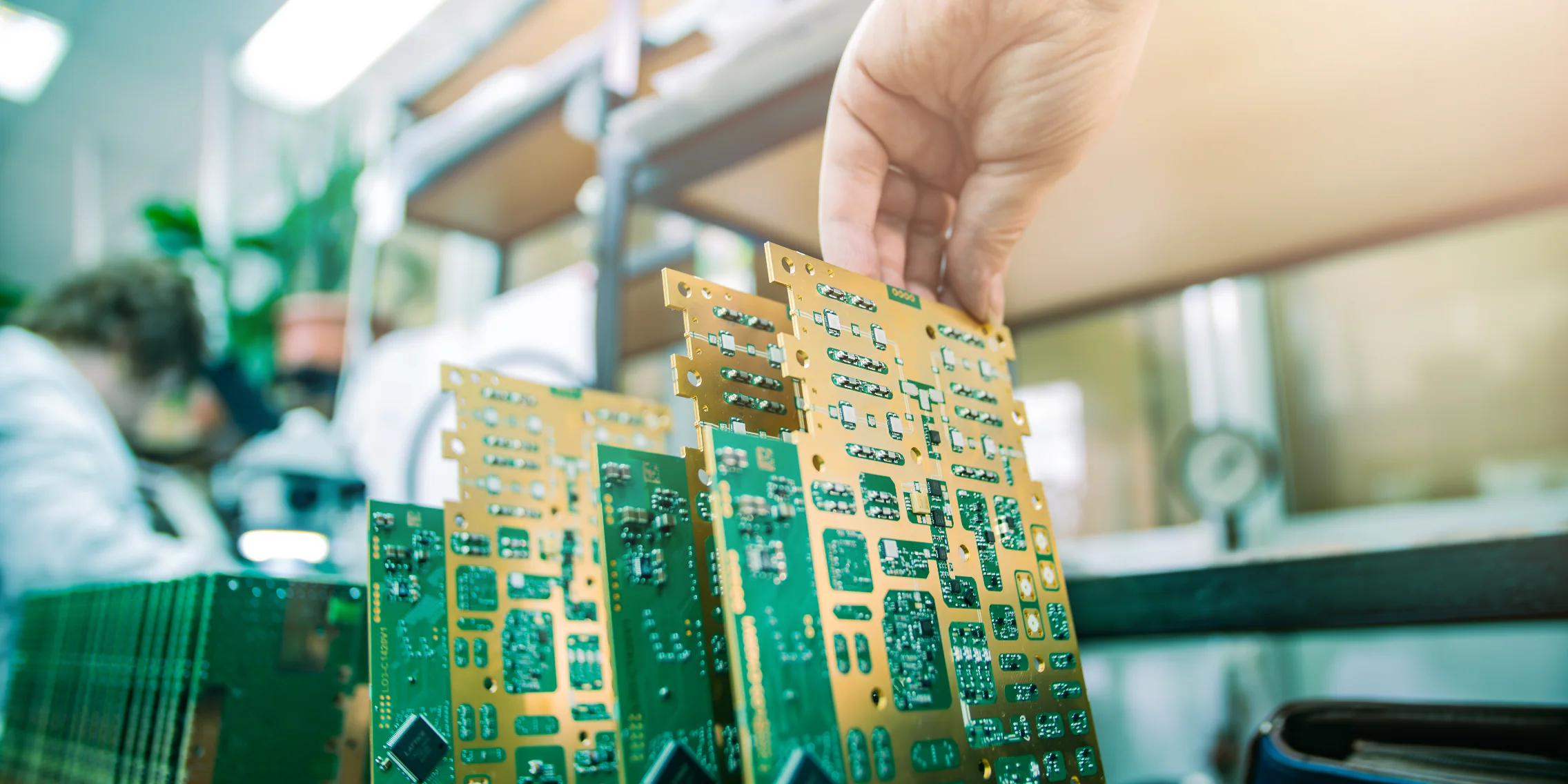
Expanding PCB manufacturing capacity could help address shortages over time, but higher material costs may continue affecting production expenses.
Building additional manufacturing facilities also requires significant investment and preparation, meaning increased supply cannot necessarily become available immediately.
Consumer PC Hardware Could Face Higher Manufacturing Costs
The shortage could affect several categories of consumer electronics, including desktop computers, laptops, graphics cards, and motherboards.
Manufacturers already face difficulties managing memory and storage costs, making another component shortage particularly challenging.
Higher PCB prices could reduce profit margins or encourage manufacturers to increase retail prices.
However, the report does not provide specific estimates for how much individual consumer products might become more expensive.
The effects will likely depend on supplier agreements, product complexity, manufacturing capacity, and how much additional expense companies absorb.
For PC builders, the developments introduce another potential source of pricing uncertainty heading into 2027.
If AI infrastructure continues consuming a significant portion of available PCB production capacity, consumer hardware manufacturers may face prolonged difficulties securing components at competitive prices.
The reported 30 month lead times suggest that supply conditions could remain challenging beyond 2027, although the duration and severity of the shortage are not yet certain.


Discussion (0)
Be the first to comment.