



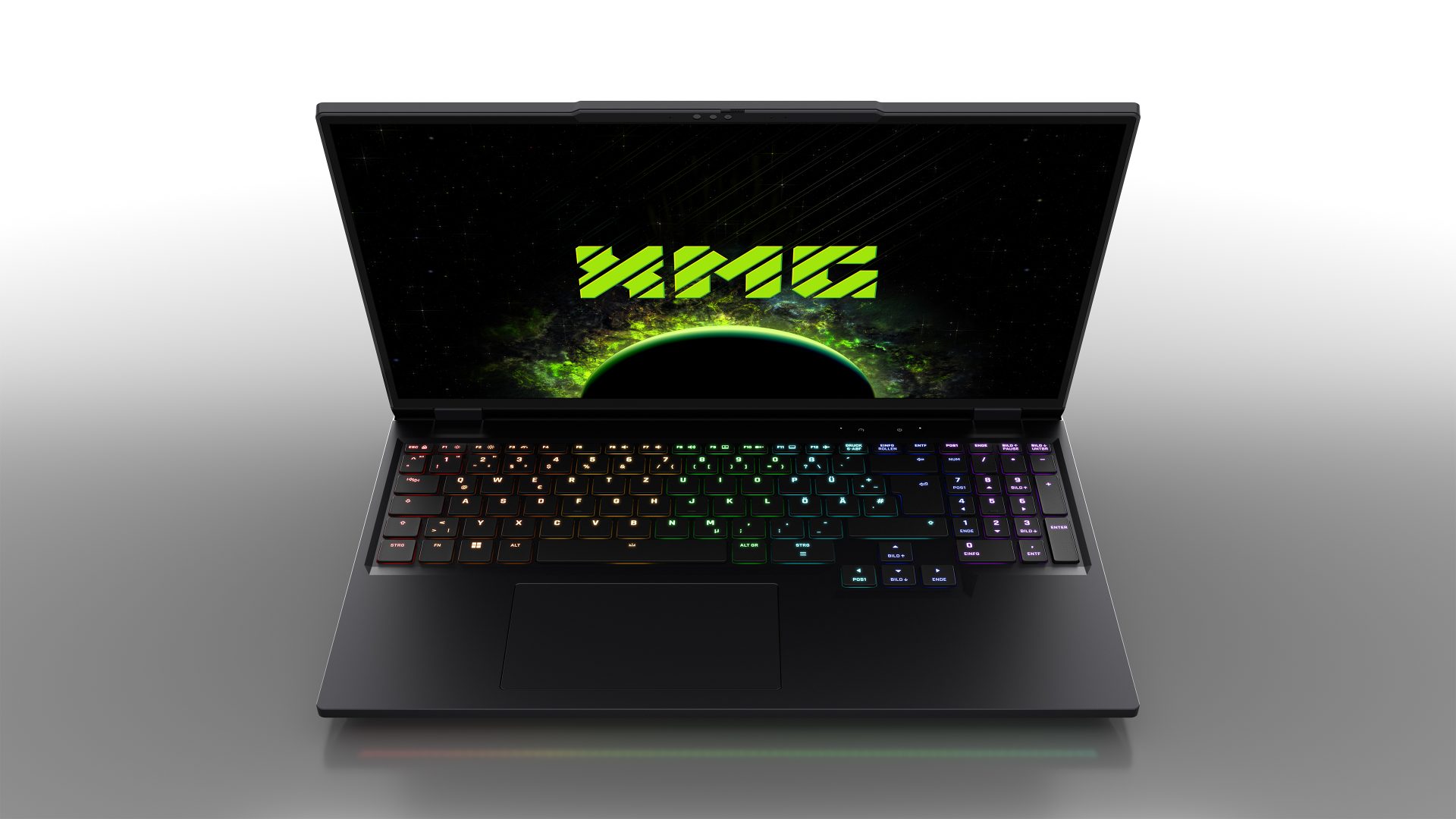
XMG is raising prices across much of its laptop range after reporting a sharp increase in component costs, with DDR5 SO-DIMM memory becoming the biggest pressure point.
The company says its purchase price for laptop DDR5 memory has risen by nearly six times compared with July 2025 levels. That increase is now forcing broader adjustments across multiple XMG and Schenker systems.
Most affected models will become more expensive, with increases generally starting around €100 and reaching as high as €300 in some configurations.
Memory prices are driving most of the increase
DDR5 SO-DIMM memory is the main reason behind the new pricing.
According to XMG, procurement costs for these modules have climbed by roughly 600 percent compared with the period before the current memory shortage intensified.
The company also compared the trend with European retail pricing data, which shows similarly steep increases in desktop DDR5 memory.
| Area | Reported change |
|---|---|
| DDR5 SO-DIMM procurement cost | Nearly 6X since July 2025 |
| Typical laptop increase | About €100 to €150 |
| Maximum increase on some models | Up to €300 |
| RTX 5090 configuration adjustment | Up to an additional €120 |
| XMG APEX 17 M25 | €35 to €50 reduction |
| XMG Fusion 16 M25 | €35 to €50 reduction |
| XMG NEO 16 M26 | Excluded from current increase |
The new adjustments affect almost every laptop family except the recently launched XMG NEO 16 M26.
CPUs and GPUs are also becoming more expensive
Memory is not the only component pushing costs higher.
XMG says procurement prices for CPUs and GPUs have also increased.
That is especially visible in configurations using the GeForce RTX 5090, where the company is applying an additional increase of up to €120.
This matters because high end laptops already carry expensive processors, graphics hardware, cooling systems and displays.
When memory and GPU costs rise at the same time, manufacturers have less room to absorb the increase without changing retail prices.
The result is that even systems not directly affected by the largest memory price jumps can still become more expensive because the overall bill of materials has increased.
Not every laptop is getting more expensive
There are a few exceptions.
The XMG APEX 17 M25 and XMG Fusion 16 M25 are receiving price reductions of around €35 to €50.
Both systems use the GeForce RTX 5070.
That suggests component pricing is not moving in a completely uniform direction across every configuration.
Some models may benefit from better availability, lower GPU costs or existing inventory that allows XMG to reduce prices while raising them elsewhere.
The newly launched XMG NEO 16 M26 is also excluded from this round of increases.
Laptop memory has become a major cost problem
SO-DIMM modules are widely used in notebooks because they provide replaceable or upgradeable memory in a smaller physical format than desktop DIMMs.
That flexibility has traditionally been useful for gaming and workstation laptops, where buyers may want to add more RAM later.
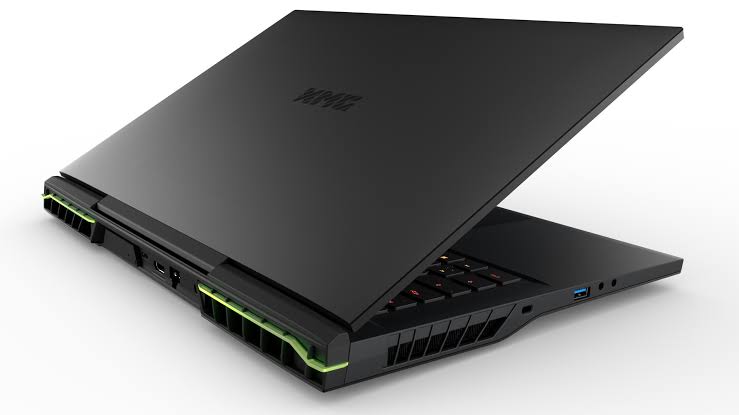
However, a sharp increase in SO-DIMM pricing directly raises the cost of configurations shipping with 32GB, 64GB or more memory.
Higher capacity gaming and creator laptops are therefore particularly exposed.
This also affects upgrade pricing.
If a manufacturer has to pay substantially more for larger memory kits, moving from a base configuration to a higher capacity option becomes more expensive as well.
The wider memory shortage is affecting more than laptops
The increase comes during a broader period of elevated DRAM and NAND pricing.
Memory and storage costs have already contributed to higher prices across desktops, gaming handhelds and other consumer electronics.
Manufacturers have repeatedly pointed to strong data center and AI demand as one of the factors tightening supply for conventional consumer memory products.
At the same time, flash storage pricing has also increased, placing additional pressure on SSD equipped devices.
For laptop makers, that creates a difficult combination because memory and storage are standard components in every system rather than optional extras.
XMG does not expect quick relief
The company does not expect component costs to fall significantly in the medium term.
That outlook is partly based on industry expectations that DRAM and NAND supply could remain tight beyond 2027.
If that happens, laptop pricing may stay elevated even if some individual components become cheaper.
The situation also means manufacturers may continue changing prices more frequently instead of keeping one fixed price throughout a product's life.
For buyers, configuration choices could become increasingly important.
A laptop with 32GB of RAM today may carry a noticeably different premium over a 16GB version than it did a year earlier.
XMG's latest adjustment shows how quickly component inflation is now reaching finished products. With DDR5 SO-DIMM costs reportedly approaching six times their July 2025 level and CPU and GPU procurement also becoming more expensive, higher laptop prices are becoming harder for manufacturers to avoid.
Discussion (0)
Be the first to comment.