



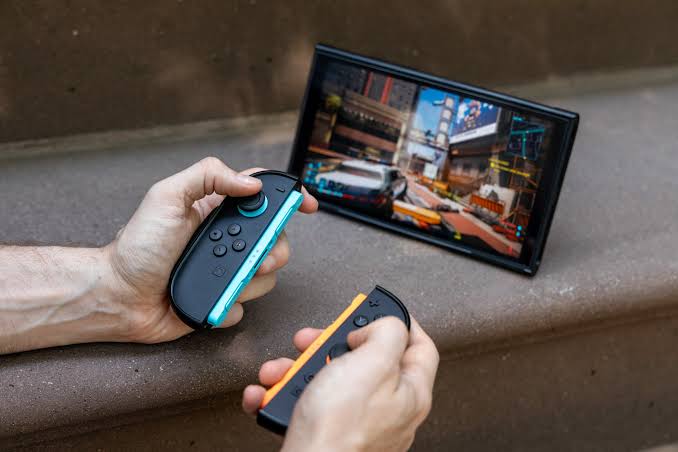
The Xbox Series S may have given developers useful experience for bringing modern games to Nintendo Switch 2, according to recent technical analysis. Its lower powered hardware forced studios to make careful compromises with graphics, performance, memory use, and image quality, and many of those lessons appear relevant to Nintendo’s newer system.
The Series S has often been criticized for making game development more difficult because studios must support a weaker console alongside the more powerful Xbox Series X and PlayStation 5. However, its limitations may also have encouraged better optimization practices that now help developers when adapting games for portable hardware.
Digital Foundry recently discussed the comparison, noting that Xbox Series S versions of games can offer useful clues about how a Switch 2 port might look and perform.
Why Xbox Series S optimization matters for Switch 2
Modern games are built around demanding technology, including large open worlds, advanced lighting, high resolution textures, and complex effects. Developers working on Xbox Series S have needed to find ways to preserve the core game experience while reducing the hardware load.
That can involve lowering texture quality, changing shadow settings, reducing visual effects, adjusting resolution, or targeting a different frame rate. These are many of the same choices developers must make when bringing a large current generation game to Switch 2.
The comparison is not perfect because the two devices have different processors, graphics hardware, memory systems, and design goals. Xbox Series S is a home console, while Switch 2 is a hybrid handheld system.
Still, the development work can overlap.
| Area of optimization | Xbox Series S approach | Possible Switch 2 benefit |
|---|---|---|
| Resolution | Lower rendering resolution in demanding scenes | Helps maintain a clearer image on portable hardware |
| Texture quality | Use reduced texture settings when needed | Lowers memory pressure |
| Shadows and effects | Reduce expensive visual effects | Improves overall performance |
| Frame rate | Balance visual quality against stable performance | Helps developers choose practical targets |
| Memory management | Reduce asset and background memory use | Important for smaller hardware budgets |
| Upscaling | Use reconstruction methods to improve image quality | Can work well with modern upscaling tools |
The key point is that developers who have already built a Series S version may have a better starting point when they begin work on a Switch 2 port.
Similar settings can already be seen in some games
Digital Foundry highlighted Final Fantasy VII as an example where the Xbox Series S and Switch 2 versions appear to use similar visual trade offs. This does not mean the games are identical, but it shows how developers can reuse ideas learned from supporting lower powered systems.
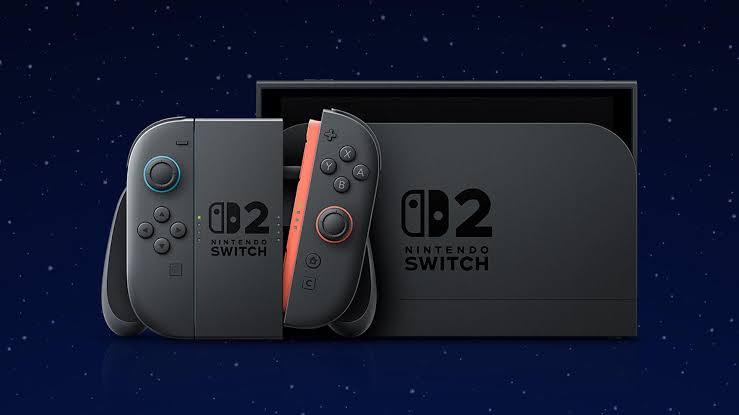
In some cases, Switch 2 can also produce a cleaner image than Series S because it uses NVIDIA DLSS upscaling technology. DLSS can reconstruct a higher quality image from a lower internal resolution, helping games look sharper without requiring the same level of raw graphics power.
Resident Evil Requiem was mentioned as an example where Switch 2 may offer stronger image quality in some scenes, while Xbox Series S still provides better overall performance.
That difference shows why hardware comparisons are more complicated than simply asking which device is more powerful.
Xbox Series S forced studios to make smarter compromises
The Series S has been debated since it launched. Some developers and players believe it has held back games because every Xbox release must account for its lower performance level.
Others argue that the system has encouraged developers to become more efficient. A game that runs well on weaker hardware often benefits on stronger devices too, because the studio has improved memory use, loading systems, rendering methods, and performance stability.
This is especially important as games become larger and more expensive to produce. Better optimization can help studios support a wider range of systems, including handheld PCs, lower end gaming laptops, older consoles, and portable devices.
Switch 2 has its own advantage through DLSS
Nintendo Switch 2 is not simply an Xbox Series S with a smaller screen. Its NVIDIA hardware and DLSS support give developers tools that can help improve image quality in ways that are different from Microsoft’s console.
DLSS may allow some Switch 2 games to look surprisingly sharp despite lower native resolution. This can be especially useful in portable mode, where the smaller screen makes lower internal resolution less noticeable.
However, image quality is only one part of performance. Developers still need to manage frame rate, CPU workload, memory use, loading times, and visual effects.
That is why Series S experience may remain useful. It teaches developers how to decide what should be reduced and what must be preserved.
The Series S may have been more useful than expected
The Xbox Series S was designed as an affordable current generation console, giving players access to modern games without the price of a Series X or PlayStation 5. Its role has often been questioned, especially when demanding games arrive.
But the system may have had a wider effect on development. Studios that learned how to scale games down for Series S may now be better prepared for Switch 2, gaming handhelds, and other lower power devices.
That does not mean every Series S game will easily move to Switch 2. Each port still needs work, testing, and platform specific optimization.
However, the skills built through years of Series S development could make modern game ports easier than many people expected.



Discussion (0)
Be the first to comment.