



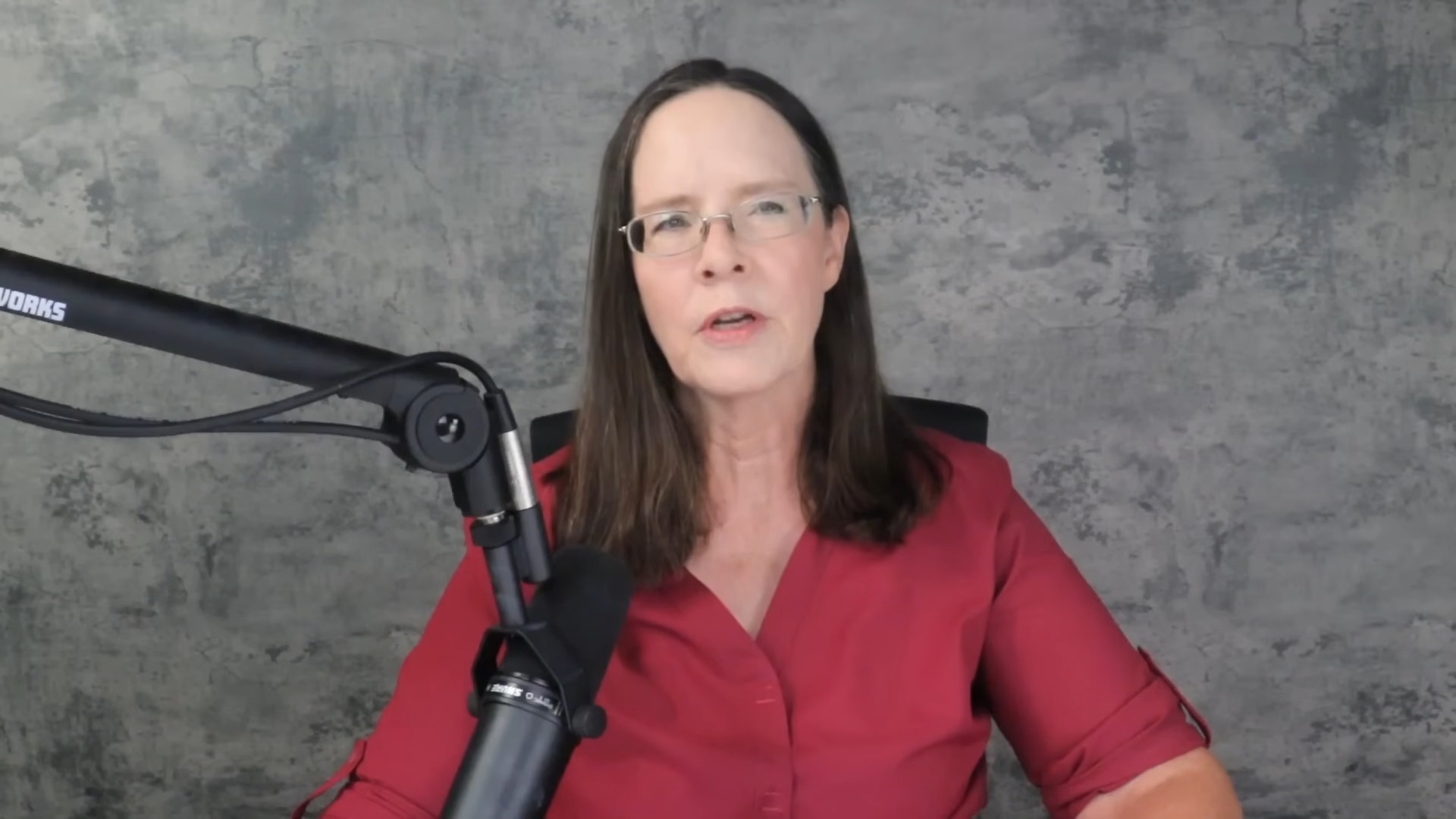
Laura Fryer, one of the original Xbox founders, believes Microsoft is facing many of the same hardware concerns that existed when the company first entered the console market more than 25 years ago. In a new discussion about Xbox’s future, Fryer said rising component costs and AI related supply pressure could make traditional gaming hardware harder to sustain.
Fryer was part of Microsoft Game Studios from the mid 1990s and later helped shape the original Xbox team. She worked as Director of the Xbox Advanced Technology Group before moving into executive production roles on games including Gears of War and Gears of War 2.
Her comments are notable because she was not always convinced that Microsoft should enter the console business in the first place.
Laura Fryer was skeptical about the original Xbox plan
Before Xbox launched in 2001, Microsoft was already closely linked with PC gaming through Windows. Fryer said she worried that Microsoft was walking away from a major strength by investing heavily in dedicated gaming hardware.
At the time, Windows was the dominant platform for PC gaming, while digital stores and services such as Steam had not yet become central to the industry.
Fryer believed the company was taking on a risky challenge by trying to compete in a hardware market already shaped by Sony and Nintendo.
| Concern from the original Xbox era | Why it matters today |
|---|---|
| Hardware is expensive to build | Component costs have continued to rise |
| Console cycles carry major risks | Companies must invest years before a device launches |
| Microsoft was strongest in software | Xbox is now focusing more on Windows and services |
| Hardware margins can be difficult | AI demand may put more pressure on supply chains |
| Players want simple devices | Windows still needs to improve its gaming experience |
She eventually joined the Xbox effort and became an important part of its early history, but she now believes some of those old concerns are becoming relevant again.
AI related shortages could make hardware more difficult
Fryer said AI driven demand for components is making the hardware business more complicated. The growth of AI data centers has increased pressure on parts such as memory, chips, and other important hardware components.
That can affect gaming hardware because consoles, handheld PCs, laptops, graphics cards, and servers all depend on the same wider semiconductor supply chain.
When demand rises from large AI companies, consumer hardware makers may face higher costs or tighter supply. For Xbox, this could make it harder to build affordable consoles while still delivering the performance players expect.
The concern is not that Xbox will immediately stop making hardware. Fryer does not appear to believe Microsoft is leaving gaming or planning to separate Xbox from the company.
Instead, she sees Microsoft returning to what it does best: software, Windows, services, and a wider gaming ecosystem.
Project Helix could show where Xbox is heading
Microsoft’s future hardware plans are increasingly tied to its wider Windows strategy. Project Helix is widely seen as part of that direction, with Xbox exploring gaming devices that combine console style convenience with the flexibility of Windows.
However, Fryer pointed out that execution will be the main challenge.
Players want a gaming device that works quickly and simply. Traditional consoles have always been popular because they are easy to use. You turn them on, select a game, and play.
Windows has many strengths, but it is not always known for offering that same frictionless experience. Gaming handhelds and compact PCs can be powerful, but they often involve updates, launchers, settings, compatibility issues, and desktop controls that feel awkward on a controller.
For Microsoft to succeed, it will need to make Windows gaming devices feel more console like without removing the freedom that makes PC gaming attractive.
Xbox could face more restructuring
Fryer also suggested that Xbox may still face significant restructuring in the coming months. Microsoft has already made difficult decisions across its gaming business, and further changes could affect studios, teams, and long term projects.
That uncertainty is difficult for employees and players. Xbox has invested heavily in studios and publishers over recent years, but the company is now under pressure to show that those investments can create games that are both critically successful and financially sustainable.
The focus cannot only be on subscriptions, hardware, or cloud gaming. Studios still need time, support, and clear leadership to make games that people want to buy and play.
Great games remain Xbox’s biggest opportunity
Despite her concerns, Fryer ended on a more hopeful note. She believes Xbox can still succeed if Microsoft gives its studios the support needed to create strong games.
That may be the clearest lesson from Xbox’s long history. Hardware strategy matters, but great games are what give a platform its identity.
Xbox has faced difficult periods before, including the original console’s expensive launch, the Xbox One backlash, and repeated debates over whether Microsoft should focus more on PC and cloud gaming. The brand has survived because Microsoft continued to invest in games, services, and the wider ecosystem.
The next stage may look different from the old console focused model. Xbox could become more connected to Windows, handheld devices, cloud gaming, and cross platform releases.
But whatever shape that future takes, Fryer’s point is simple: Microsoft cannot rely on hardware alone. It needs talented studios, reliable leadership, and games that are worth building a platform around.



Discussion (0)
Be the first to comment.