



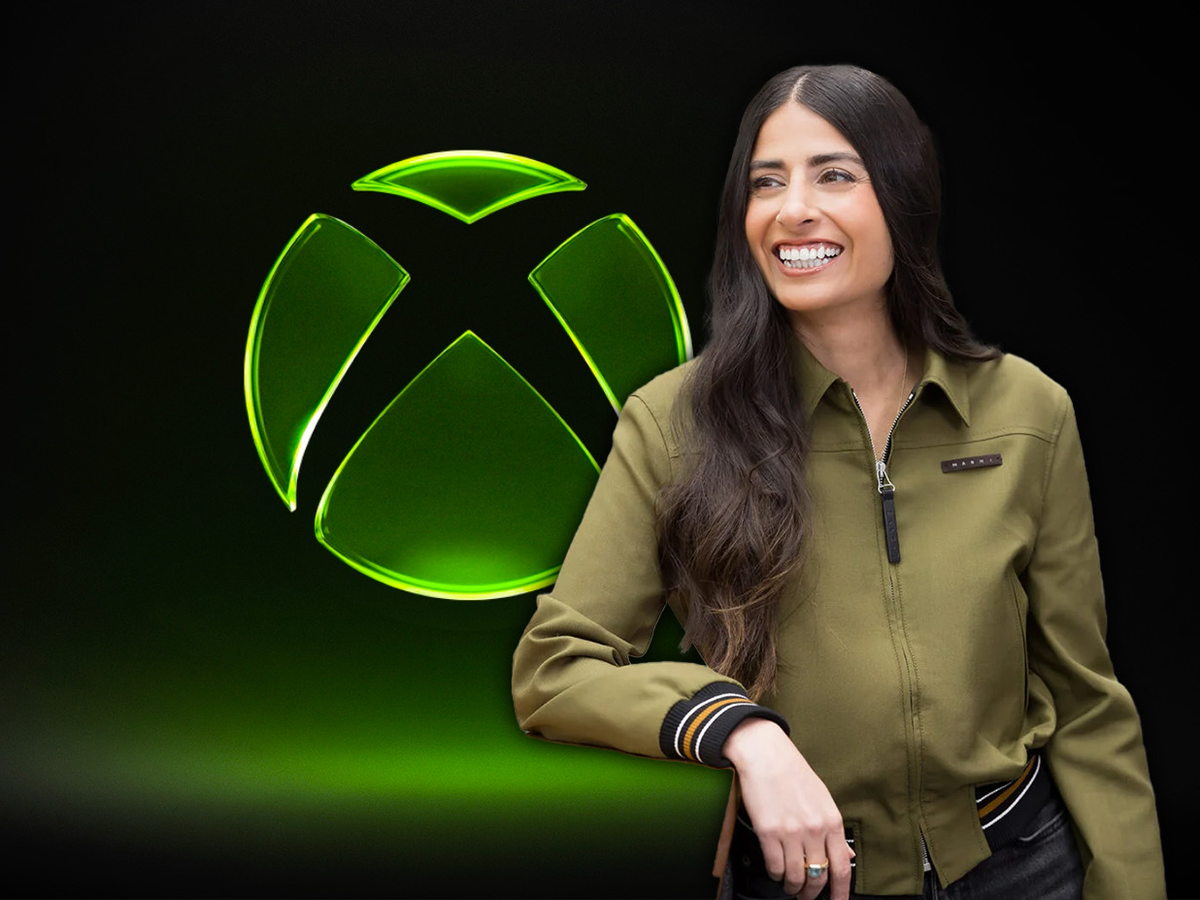
Xbox CEO Asha Sharma is trying to reset the conversation around Microsoft’s gaming business, and her latest comments suggest a major shift in priorities. Instead of focusing on the kind of high profit margins often associated with enterprise software, Sharma says her job is to make Xbox the number one gaming and entertainment company.
That matters because Xbox has spent the past few years under heavy pressure. Hardware sales have declined, studios have been closed, layoffs have hit several teams, and many once exclusive games have started moving to rival platforms. For players, the result has been a growing sense that Xbox was losing its identity while trying to squeeze more revenue out of every part of the business.
Sharma’s message appears to push back against that thinking. She said her mandate is not tied to 30 percent accountability margins or enterprise software margins. Instead, she framed the goal around leadership in gaming and entertainment. That may sound like a simple statement, but for Xbox fans, it could signal a different approach to how Microsoft measures success in gaming.
Xbox needs a clearer identity after years of mixed signals
The 30 percent margin target has been a sensitive topic around Xbox. Gaming hardware and content businesses do not usually operate like Microsoft’s enterprise software divisions. Consoles are expensive to build, games take years to make, and creative bets do not always produce predictable returns. Trying to force a high margin model onto that kind of business can lead to cuts, cancellations, and safer decisions.
| Xbox issue | Why Sharma’s comments matter |
|---|---|
| Studio closures | A lower pressure margin target could reduce short term cuts |
| Game cancellations | Creative projects may get more room to prove themselves |
| Hardware decline | Xbox needs a stronger reason for people to buy into the platform |
| Exclusives moving elsewhere | Sharma says exclusives and services help define a platform |
| Brand confusion | Xbox needs a clearer identity beyond being a publisher |
This is why Sharma’s comments about exclusives are important. Xbox has become one of the biggest publishers in the world, but being a great publisher and being a strong platform are not the same thing. A publisher wants its games to reach the widest possible audience. A platform needs unique content and services that make people choose it over competitors.

Xbox has struggled to balance those two roles. Sending games such as Forza, Fable, and Halo to PlayStation may help Microsoft earn more money in the short term, but it can also weaken the reason to own Xbox hardware or stay inside the Xbox ecosystem. Sharma seems to understand that tension. She said Xbox is both a major publisher and an increasingly important platform, which means it still needs exclusive content and services.
That does not mean every Xbox game will suddenly become exclusive again. Microsoft has already moved too far into multiplatform publishing to reverse everything overnight. But it could mean the company becomes more careful about what stays exclusive, what goes multiplatform, and how it protects the value of Xbox as a platform.
The bigger question is whether Microsoft will give Sharma enough freedom to act on this vision. Xbox has been damaged by years of unclear strategy, rising prices, layoffs, and mixed messaging. Repairing that will take more than one strong interview. It will require consistent decisions that show players, developers, and studios that Xbox is not only chasing short term returns.
Hardware will remain a challenge. Memory and storage prices are rising because of AI demand, and that makes future consoles harder to price. If Xbox wants Project Helix or any next generation hardware to succeed, it must offer clear value while avoiding another wave of consumer frustration.
Still, Sharma’s comments offer a possible turning point. If Xbox moves away from unrealistic margin pressure, its teams may have more room to build, experiment, and take creative risks again. That is exactly what the brand needs after years of cuts and uncertainty.
Xbox does not only need more games. It needs confidence, identity, and a reason for players to believe in the platform again. Sharma’s mission statement does not solve everything, but it gives Xbox a clearer direction: stop acting like gaming is enterprise software and start competing to be number one.



Discussion (0)
Be the first to comment.