



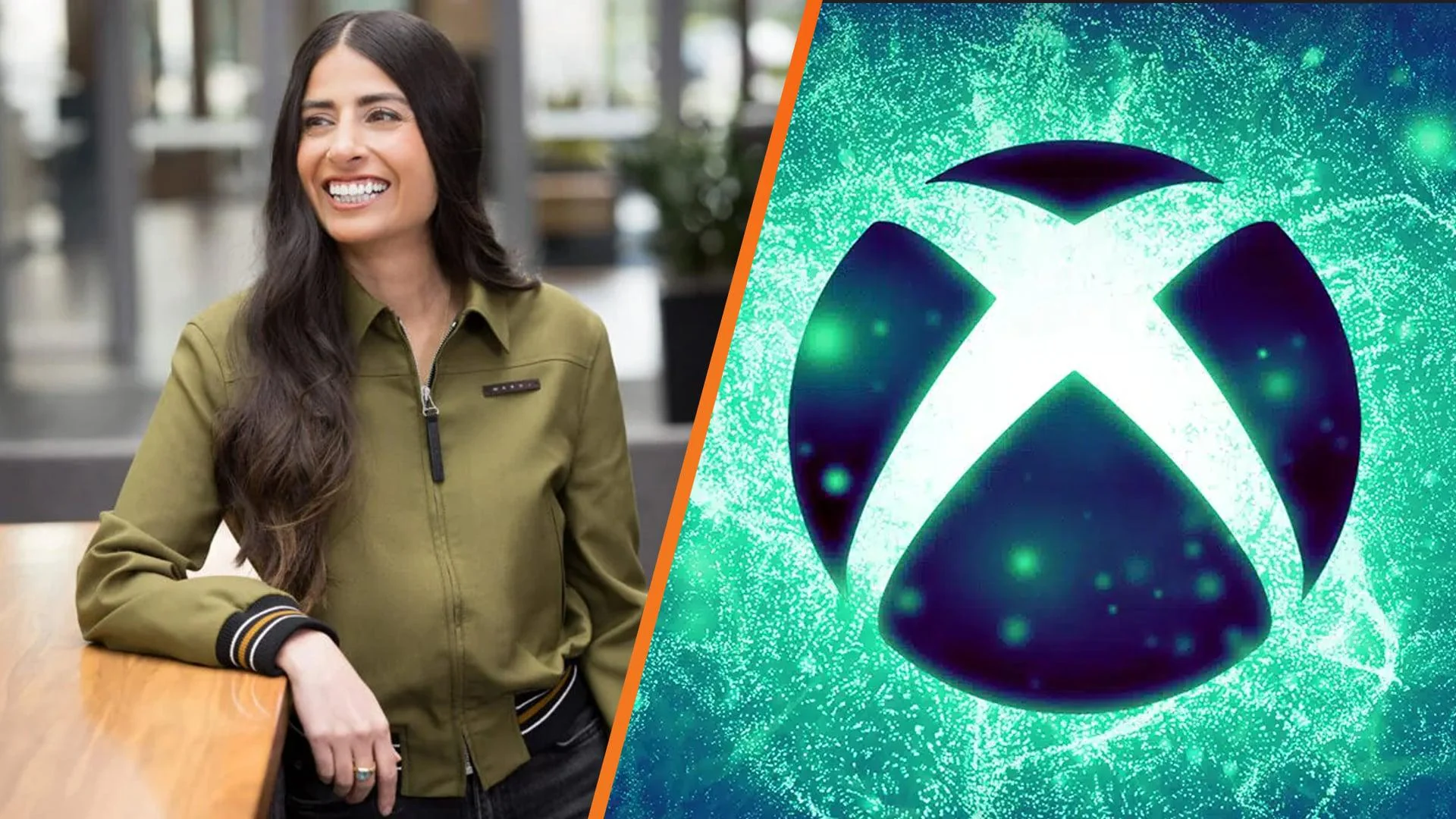
Xbox CEO Asha Sharma says exclusive content still has a role in defining the Xbox platform, even as Microsoft continues to grow as one of the biggest game publishers in the world. Her comments come at a sensitive time for Xbox, as players continue to question what the brand stands for when more of its games are moving to other consoles.
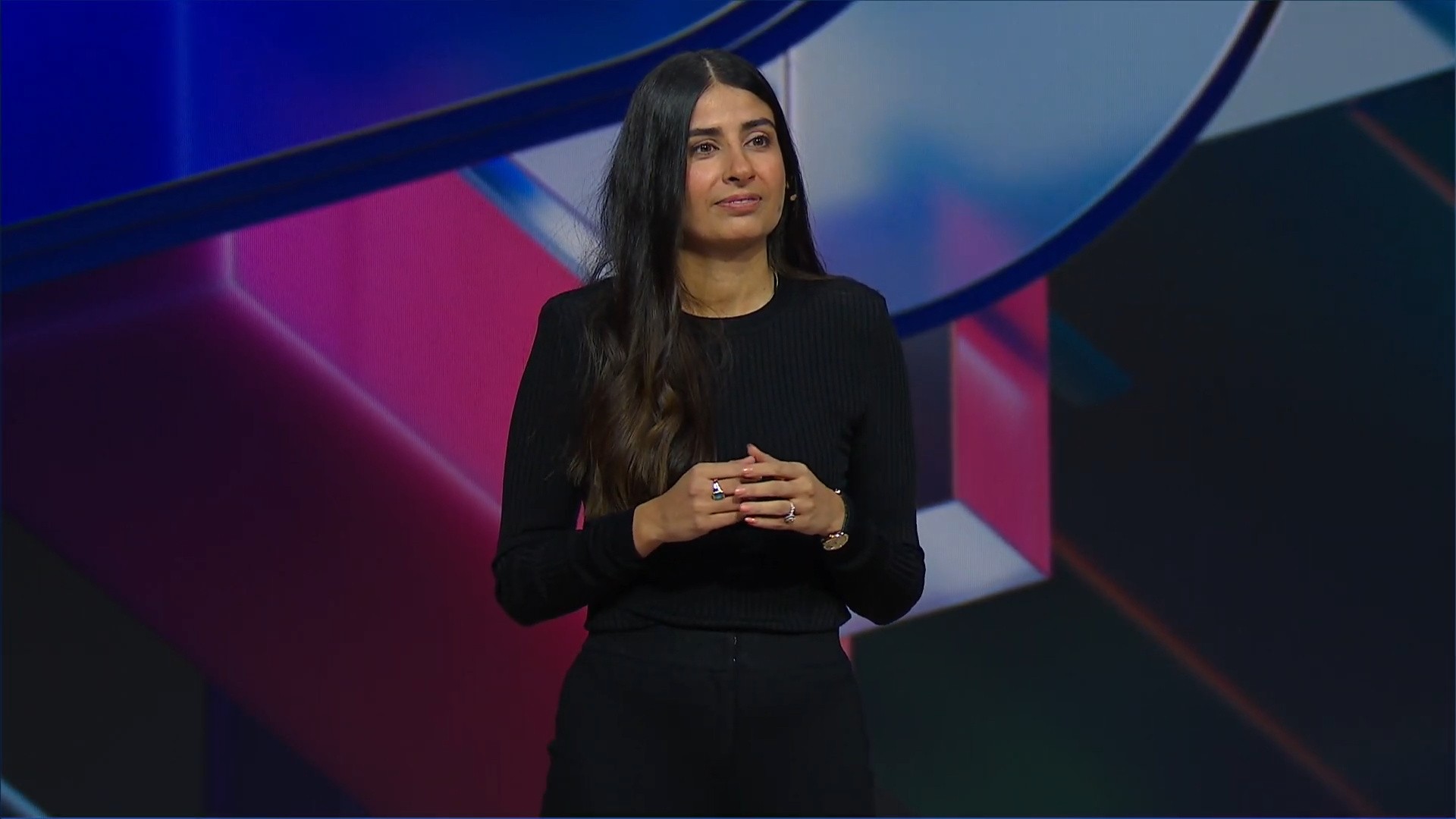
Speaking during a Bloomberg Tech stream, Sharma said Xbox is in a difficult position because it has to think like both a publisher and a platform holder. As a publisher, Microsoft wants its games to reach large audiences. As a platform, Xbox still needs unique content and services that give people a reason to choose it over competitors.
That balance is now one of the biggest questions facing Xbox. Microsoft owns major franchises across Activision, Bethesda, Blizzard, and Xbox Game Studios. Some of those games, such as Call of Duty, are too large to make fully exclusive without losing huge amounts of revenue. A franchise that sells tens of millions of copies each year depends on broad availability.
But that does not mean every game needs to release everywhere. Sharma said Xbox is looking closely at each title and thinking carefully about how to handle exclusivity. That suggests Microsoft may take a case by case approach instead of using one rule for every game.
| Xbox strategy question | Why it matters |
|---|---|
| Multiplatform publishing | Helps Microsoft sell more copies and reach more players |
| Exclusive games | Gives Xbox hardware and services a stronger identity |
| Game Pass | Remains a key Xbox service advantage |
| Major franchises | Some are too large to lock to one platform |
| Future hardware | Needs unique reasons for players to buy in |
This is where the debate gets complicated. If Xbox releases everything on PlayStation and Nintendo, it may become a stronger publisher, but a weaker platform. Players may ask why they should buy Xbox hardware if its biggest games eventually arrive elsewhere. That question has become louder as Microsoft expands its multiplatform strategy.
At the same time, full exclusivity is not always realistic. Call of Duty is the clearest example. Keeping it off PlayStation would likely cost Microsoft enormous revenue and could damage the value of one of its biggest acquisitions. For games of that size, broad release makes business sense.
The more interesting question is what happens to future Xbox owned titles that are not Call of Duty sized. Games like Fable, Forza, Halo, and other first party projects help shape what people think of when they hear the Xbox name. If those games lose their exclusive status, Xbox risks losing part of its identity.
Sharma’s comments suggest she understands that services alone are not enough. Game Pass is important, but it cannot fully replace the emotional pull of exclusive games. Sony and Nintendo have built strong platform loyalty because players associate their consoles with games they cannot get anywhere else. Xbox has struggled with that identity in recent years.
There is also a hardware problem. Xbox console sales have been under pressure, and without exclusive content, hardware becomes harder to justify. A console needs more than good specs and a subscription service. It needs a clear reason to exist.
Timed exclusivity could become a middle ground. Xbox could launch certain games first on its own platform and PC, then bring them to other consoles later. That would still give Xbox players an early advantage while allowing Microsoft to earn more from wider releases over time. It may not satisfy everyone, but it could be more practical than permanent exclusivity for every title.
The challenge is consistency. Xbox fans have spent years hearing different messages about exclusives, Game Pass, cloud gaming, hardware, and multiplatform releases. That has made the brand feel uncertain. Sharma now has to turn broad statements into clear decisions that players can understand.
Her earlier comments about not being tied to 30 percent enterprise style profit margins also matter here. If Xbox is not forced to chase unrealistic software level margins, its studios may have more room to take creative risks and build platform defining games. That could help Xbox regain some of the identity it has lost.
For now, Sharma is not promising a full return to old school exclusivity. She is saying exclusives still matter, and that Xbox needs them if it wants to be a real platform. That is an important distinction.
Xbox can be a major publisher and a platform at the same time, but it needs to decide which games are meant to sell everywhere and which games are meant to make Xbox feel special. Until Microsoft answers that clearly, the exclusives debate will continue to define the future of the brand.



Discussion (0)
Be the first to comment.