



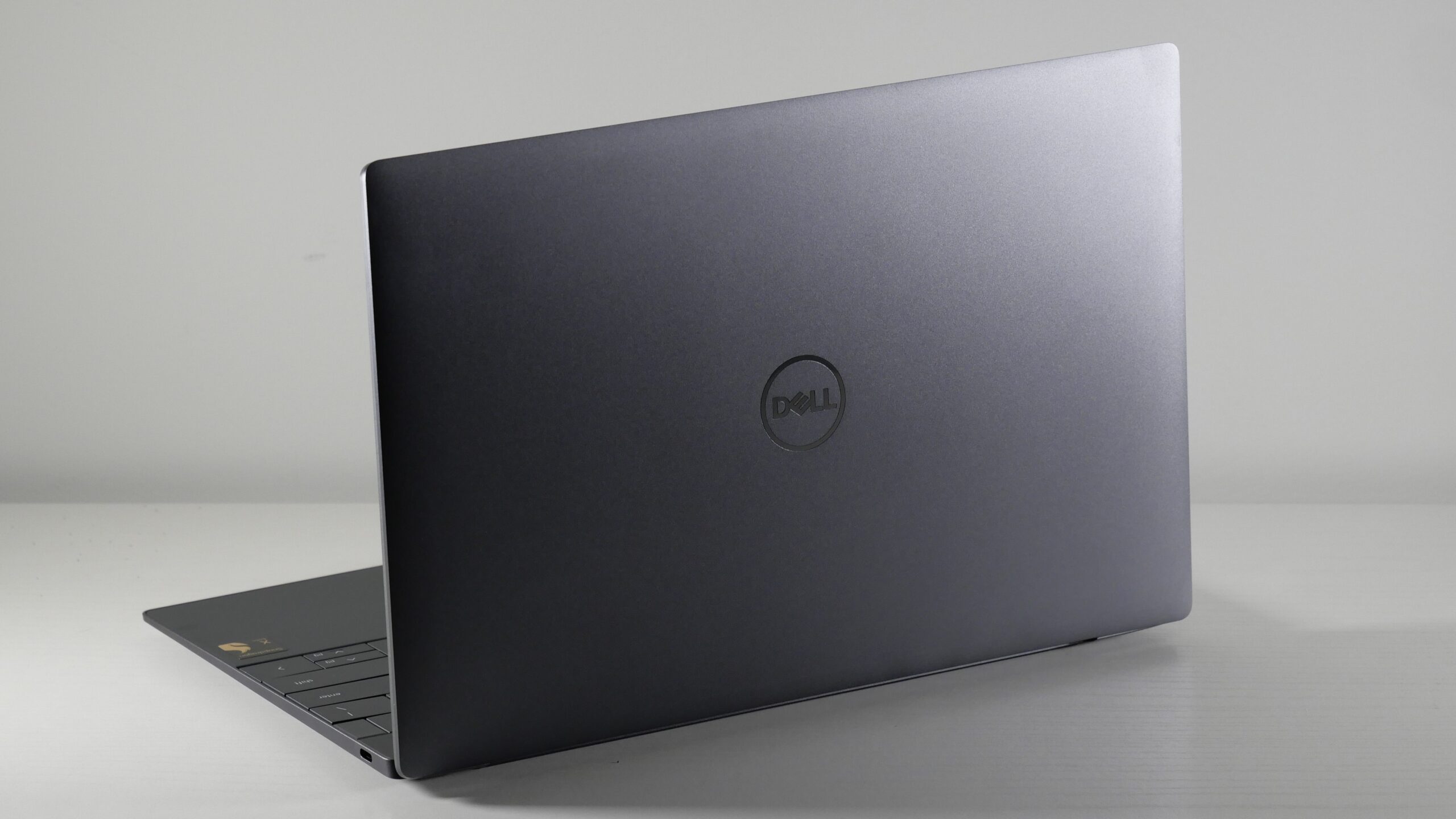
Windows laptops are more competitive than they have been in years, but choosing the right one is still confusing for many buyers because the market is crowded with too many models, too many processor names, and too many spec combinations. Microsoft is not fully to blame for that, but it could make the buying process easier with clearer certification labels for different laptop tiers.
The problem is not that affordable Windows laptops are bad. In fact, the budget and mid range laptop market has improved a lot. New competition from lower priced MacBooks has pushed Windows laptop makers to take cheaper machines more seriously. The issue is that most regular buyers do not know how to judge the differences between dozens of similar laptops sitting on a store shelf.
A person looking for a basic laptop often sees Intel, AMD, Qualcomm, Nvidia, RAM numbers, storage sizes, display types, battery estimates, AI branding, and several confusing model names. For enthusiasts, those details can be useful. For most people, they become noise.
Laptop specs are useful, but most buyers need simpler guidance
For everyday buyers, the most important questions are usually simple. Is the laptop fast enough? Is the screen good? Will the battery last? Is it light enough to carry? Does it have enough storage? Will it last for several years?
The current Windows laptop market does not answer those questions clearly. Instead, it often asks buyers to compare processor generations, memory standards, display panels, NPUs, and marketing labels.
| Buyer concern | What they usually need to know |
|---|---|
| Performance | Will it handle daily work smoothly |
| Battery life | Can it last through school, work, or travel |
| Display | Is the screen sharp, bright, and comfortable |
| Memory | Will it stay usable for years |
| Storage | Is there enough space for apps and files |
| Weight | Is it easy to carry |
| Price | Is the value fair for the hardware |
This is where Microsoft could help by making categories easier to understand.
Copilot Plus PCs came close but missed the bigger problem
Microsoft’s Copilot Plus PC branding was supposed to highlight laptops with NPUs and local AI features. The idea was to give buyers a simple way to identify newer AI capable Windows machines.
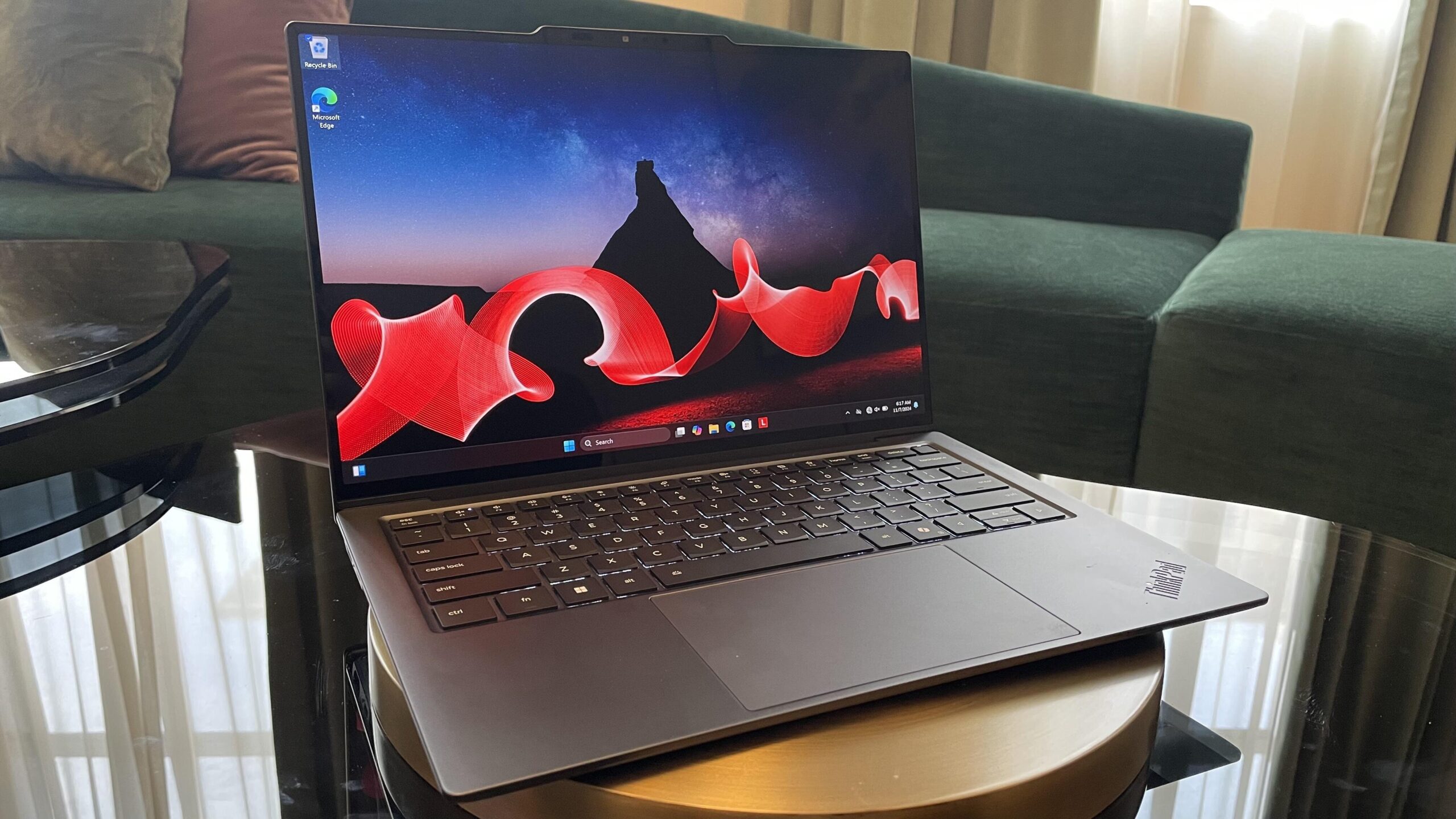
The problem is that AI branding does not solve the everyday buying question. Many people are not shopping for a laptop because they need local AI features. They are shopping because they need a reliable computer for school, work, travel, browsing, calls, documents, and light creative tasks.
A clearer certification system could be more useful than AI focused branding. Instead of asking buyers to understand every chip and feature, Microsoft could create simple labels that explain what a laptop is actually good for.
A Windows certification system could make laptop shopping easier
Microsoft could introduce something like certified Windows laptop tiers. For example, a “Windows Core” label could represent solid everyday machines with at least 16GB of RAM, decent battery life, and a good IPS display. A “Windows Pro” label could represent higher end laptops with faster processors, better screens, 32GB of RAM or more, and premium build quality.
This would not remove choice. Manufacturers could still build many different laptops. But buyers would have a clearer baseline when comparing machines.
It would also help avoid disappointment. A laptop outside those certified tiers would not automatically be bad, but buyers would know they need to look more carefully before purchasing.
Apple benefits from simplicity while Windows offers more choice
Apple’s MacBook lineup is much easier to understand because there are fewer models and fewer chip families to compare. That simplicity helps buyers feel more confident.
Windows has the opposite strength. There are laptops for almost every budget, size, feature set, and use case. That flexibility is valuable, but it also creates confusion.
The best solution is not for Windows to become Apple. The Windows ecosystem works because it has variety. But Microsoft could add structure to that variety so buyers are not left alone with confusing spec sheets.
Windows laptops need clearer labels as budget machines improve
Affordable Windows laptops are getting better, and that is good for buyers. But better hardware only helps if people can identify it. A strong $699 Windows laptop can be overlooked if it sits beside several weaker machines with similar names and unclear specs.
Microsoft, Intel, AMD, Qualcomm, Nvidia, and laptop brands all contribute to the complexity. But Microsoft owns the Windows platform, so it is in the best position to create a clearer system that helps buyers understand what they are getting.
The Windows laptop market does not need fewer choices. It needs better signposts. A simple certification system could help buyers avoid weak machines, recognize good value, and choose a laptop based on real needs instead of confusing numbers.



Discussion (0)
Be the first to comment.