



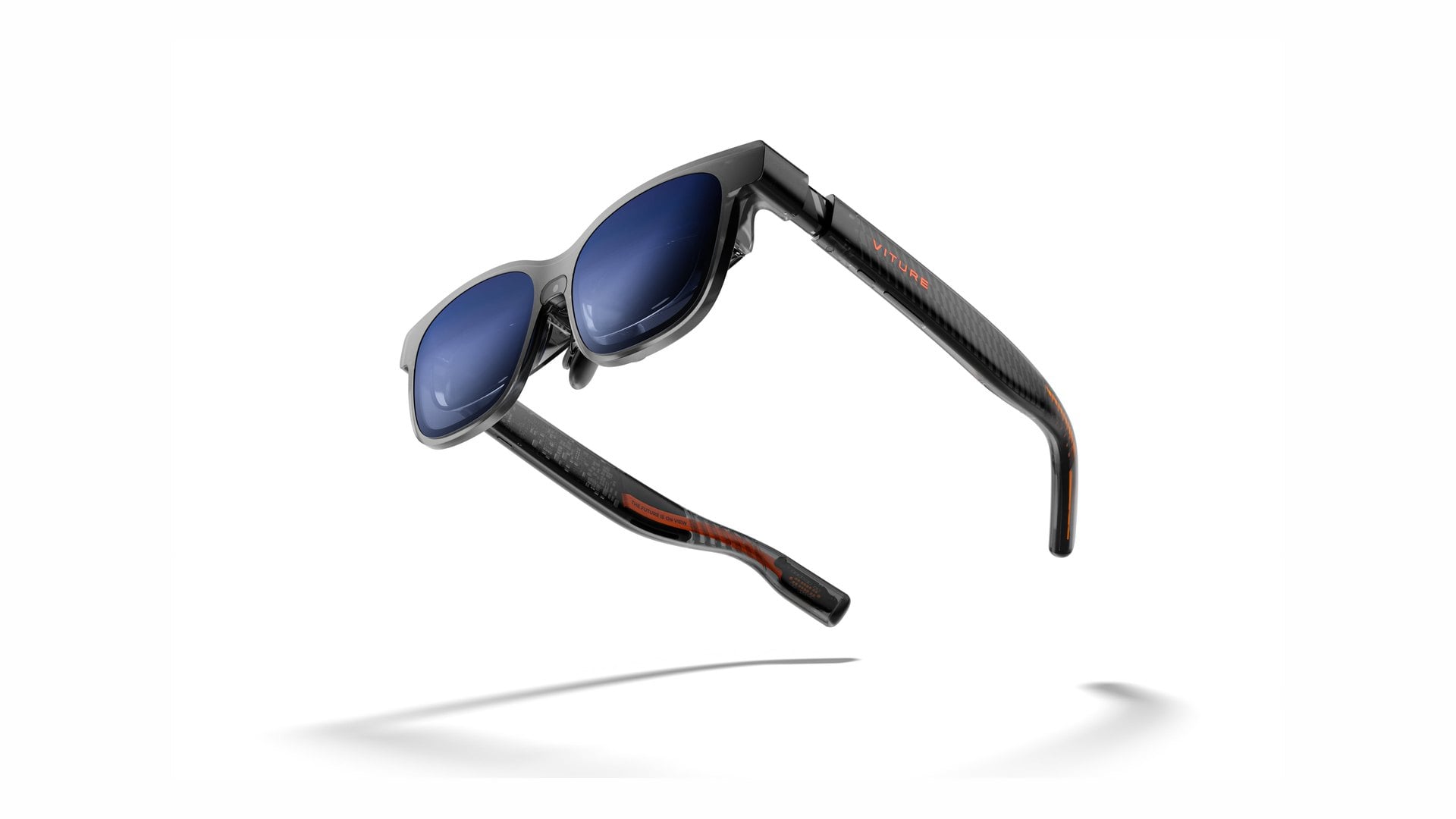
VITURE has cut the Luma Pro XR glasses to $339 in its US store, $160 below the $499 it charged on October 29 and November 1. That is the biggest Black Friday drop on display glasses that holds up against the makers' own earlier prices, and the rest of the Luma range fell with it.
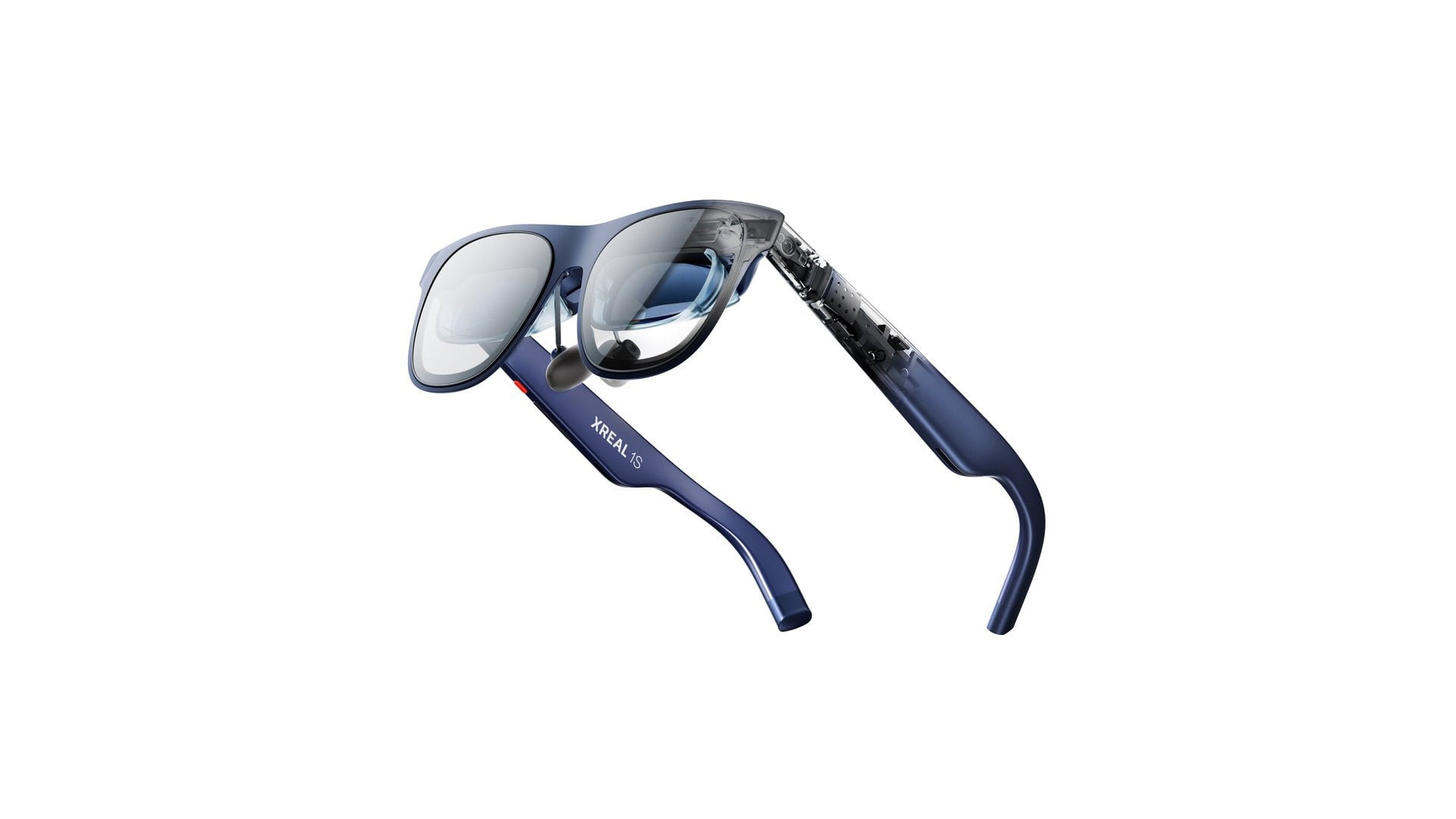
These are the glasses that plug into a phone, laptop, Switch or handheld PC and float a giant private screen in front of you. Seven pairs from VITURE, XREAL and RayNeo cost less on November 23 than the same store asked a few weeks earlier, and all are in stock. Several crossed-out prices overstate the cut, so the saving below is the real one.
AR and XR glasses Black Friday prices compared at maker stores
Prices are from each maker's US store as of November 23. The third column shows what the same page charged in October and November.
| Glasses | Maker price, Nov 23 | Same store earlier | Real saving | What sets it apart |
|---|---|---|---|---|
| VITURE Luma Pro | $339 | $499 (Oct 29, Nov 1) | $160 | 1,000 nits, 52° field of view |
| VITURE Luma Ultra | $449 | $599 (Oct 29, Nov 1) | $150 | Depth cameras for 6DoF tracking |
| VITURE Luma | $299 | $399 (Oct 29, Nov 1) | $100 | 77 grams, plugs straight into USB-C |
| XREAL 1S | $379 | $449 (Nov 11) | $70 | Turns 2D video into 3D on the glasses |
| RayNeo Air 4 Pro | $233 | $299 (Oct 12) | $66 | HDR10 display, four B&O speakers |
| VITURE Beast | $489 | $549 (Oct 29, Nov 1) | $60 | 174-inch screen, 58° field of view |
| XREAL One Pro | $499 | $539 (Oct 29) | $40 | X1 chip, two frame sizes |
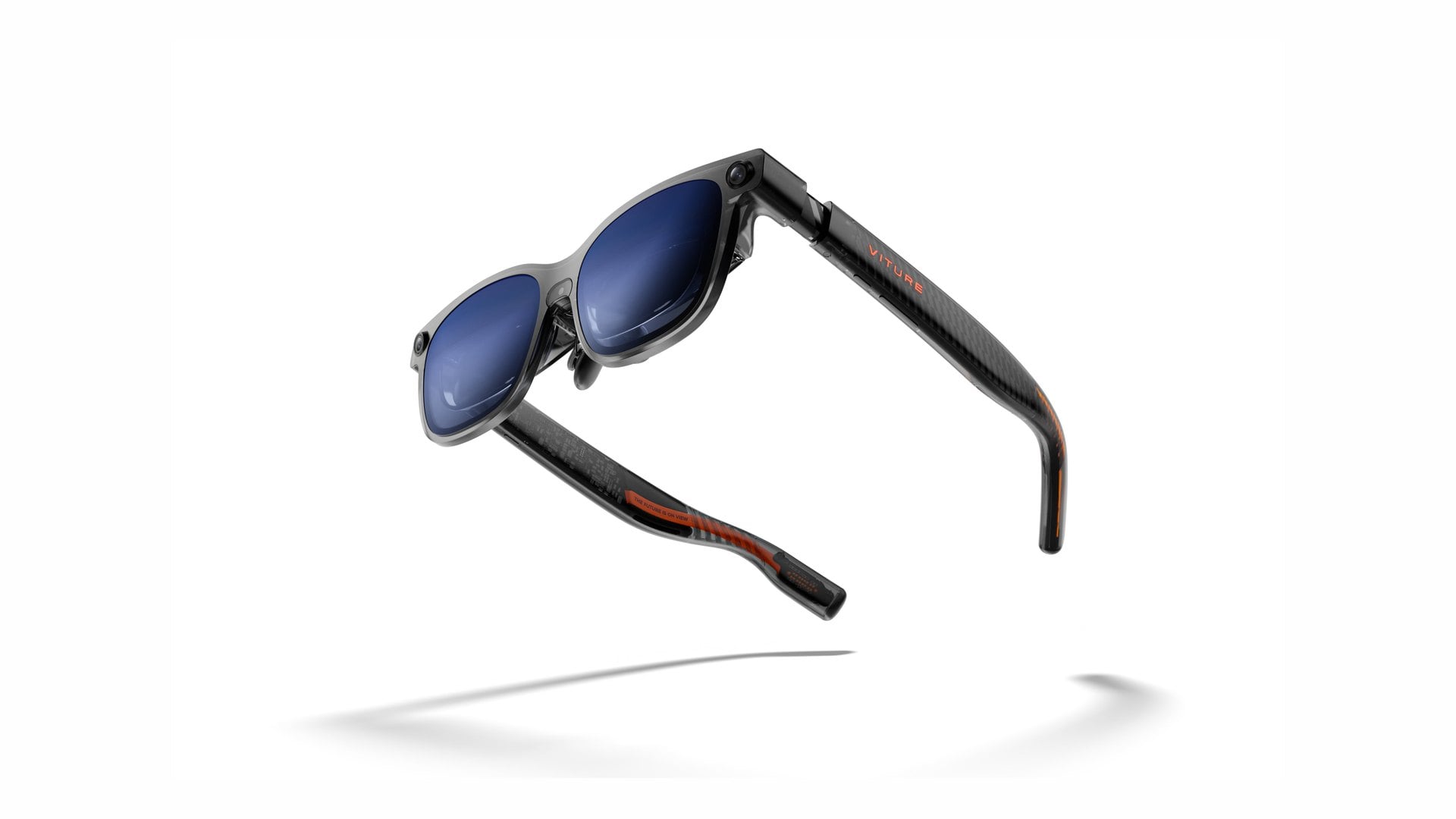
Why the VITURE Luma Pro at $339 is the deal to beat
The cut puts the mid-range Luma Pro close to entry-level money. It shows a 152-inch virtual screen in 1200p at up to 120Hz, on Sony Micro-OLED panels rated at up to 1,000 nits, with a 52-degree field of view and HARMAN-tuned speakers.
Two details matter for everyday use. The electrochromic lenses switch from see-through to near blackout with one click, which helps on a bright train or plane. Built-in myopia adjustment goes to -4.0D, so many mildly nearsighted buyers can skip prescription inserts.
There is no battery inside, so the glasses draw power from whatever they are plugged into through a USB-C to magnetic connector cable. Both frame sizes are $339, though VITURE's stock counter showed 71 units for the Regular fit and 125 for the Large.
Luma Ultra, Luma or Beast: which VITURE glasses fit your setup
The Luma Ultra at $449 is $150 off and adds the most hardware: a front RGB camera and two depth cameras for 6DoF tracking and hand gestures, plus brighter 1,500-nit panels. The catch is where that works. 6DoF needs VITURE's Pro Neckband or its SpaceWalker app on a Mac or Windows PC, and phones and tablets get 3DoF only.
The base Luma at $299 drops $100 and is the lightest of the group at 77 grams. Its screen is slightly smaller at 146 inches, it plugs straight into USB-C without the magnetic cable, and its myopia adjustment reaches -6.0D.
The Beast at $489 carries the smallest VITURE cut, $60, but the biggest picture: a 174-inch screen, a 58-degree field of view and up to 1,250 nits. Head tracking is built into the glasses, so a screen pinned in space needs no app or adapter.
XREAL 1S and One Pro deals: smaller cuts than the tags suggest
XREAL's best real saving is on the XREAL 1S at $379, down $70 from the $449 its store charged on November 11. It uses a 1200p Sony Micro-OLED display at up to 120Hz and 700 nits, Bose-tuned audio and XREAL's X1 chip for a screen that stays put as you move. It also converts 2D video to 3D on the glasses. Amazon also sells the XREAL 1S; check Amazon's current price.
The XREAL One Pro at $499 shows a $599 crossed-out price, which implies a $100 cut. On October 29 the same page was already selling it for $539, so the real Black Friday saving is $40. It remains the pick for a wider 57-degree view, with three levels of electronic dimming and two frame sizes. Amazon sells the One Pro as well; see Amazon's listing.
Tags that overstate a cut are common on Black Friday, as with these discounts that are smaller than they look. Two XREAL prices did not qualify at all. The Android XR-powered AURA has cost $1,099 since late October, and the original XREAL One, now $399, sold for $349 in early October. The gaming-focused ROG XREAL R1 stays at $849.
RayNeo Air 4 Pro and the glasses deals that did not make the cut
The cheapest pair here is the RayNeo Air 4 Pro at $233, $66 below the $299 it cost in October. RayNeo pitches it on an HDR10 display, a 201-inch virtual screen and four Bang & Olufsen-tuned speakers in a 76-gram frame. Buy through that sale listing, because RayNeo's store also carries a second page for the same glasses at $299.
Rokid's Max 2 is the clearest miss. Its $259 price looks like $170 off a $429 tag, but Rokid charged $249 in mid-October, so Black Friday made it $10 dearer. Camera-equipped smart glasses without a display are a different category; the Ray-Ban Meta and Oakley Meta Black Friday discounts are covered separately.
For most buyers, the VITURE Luma Pro at $339 is the one to get, and the XREAL 1S at $379 is the alternative for 2D-to-3D video. Before you buy, check two things. Your device must output video over USB-C, and XREAL notes that a Nintendo Switch needs an extra hub. Your eye spacing should also match the frame size. Prices can change at any time.
Digital Citizen may earn a commission when you buy through links in this article. As an Amazon Associate, we earn from qualifying purchases.

Discussion (0)
Be the first to comment.