



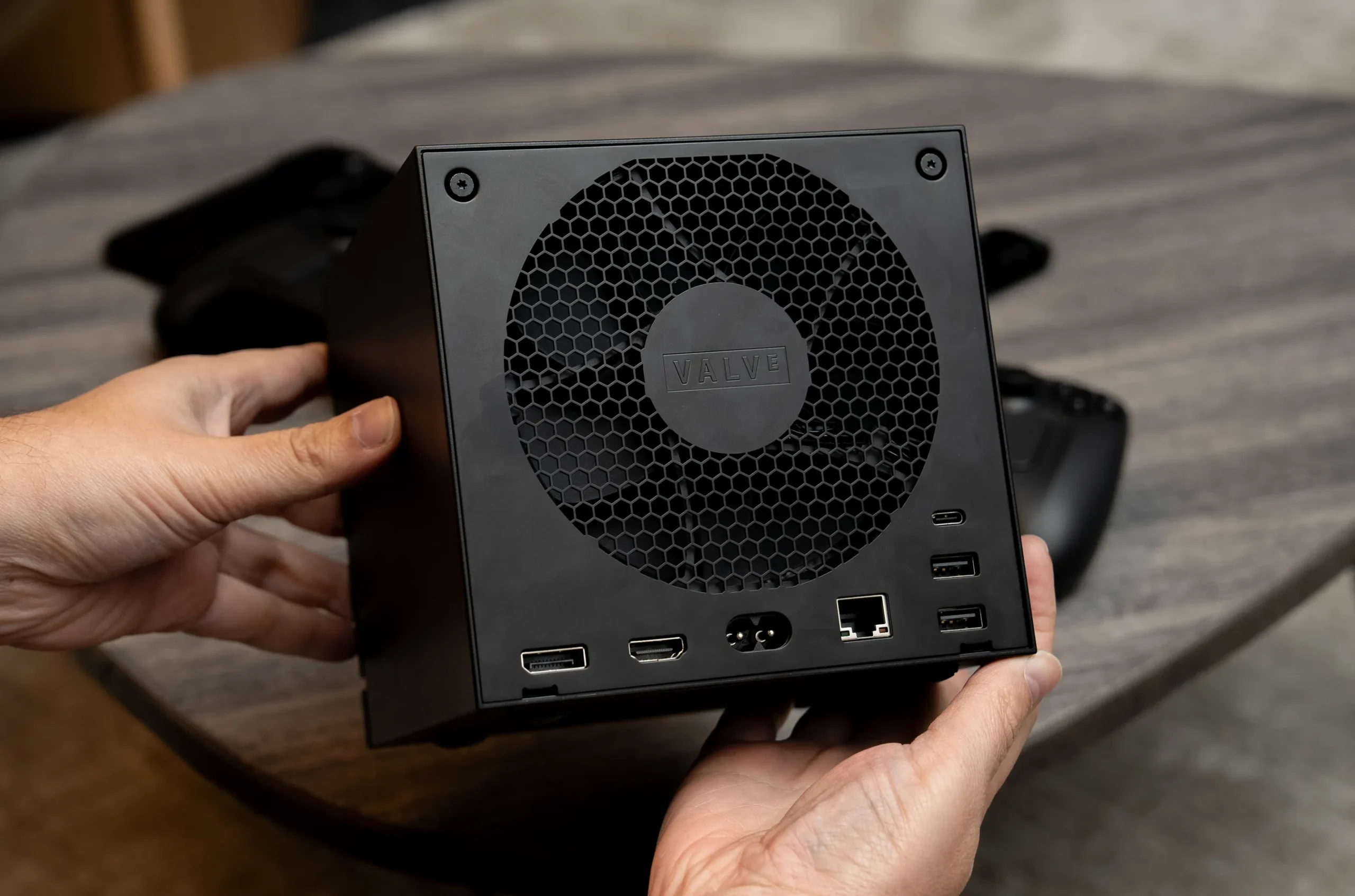
Valve may be preparing to add a custom version of AMD’s FSR 4 upscaling technology to Steam and Proton, potentially improving image quality and performance for Steam Machine, Linux gaming PCs, and possibly the Steam Deck.
The reported change could allow games that already support FSR 3 to benefit from newer FSR 4-style improvements without developers having to add native support themselves. Valve has not officially explained the feature yet, so the exact scope remains unclear, but the possibility is promising for anyone using SteamOS hardware.
FSR is AMD’s answer to NVIDIA DLSS. It renders games at a lower internal resolution and then scales the image up, helping weaker hardware reach higher frame rates without sacrificing as much visual quality.
FSR 4 Could Improve Visual Quality Over FSR 3
FSR 3 has been useful for improving performance, but it can also produce visible problems in some games. Players have reported issues such as ghosting, flickering, shimmer around fine details, and distracting artifacts during motion.
FSR 4 is expected to improve on those weaknesses by delivering a cleaner image while retaining the performance benefits that make upscaling valuable.
For handheld gaming devices, this could matter a great deal. Steam Deck games often run at 720p or 800p, where performance is limited by the compact AMD processor. Better upscaling could help demanding games look sharper on the small screen while keeping frame rates more stable.
| Technology | Main purpose | Potential benefit |
|---|---|---|
| Native rendering | Renders at the target resolution | Best image quality but higher GPU load |
| FSR 3 | Upscales from a lower resolution | Better frame rates with possible artifacts |
| FSR 4 | Newer upscaling approach | Cleaner image quality and improved performance |
| DLSS | NVIDIA’s AI upscaling technology | Strong image quality on supported RTX hardware |
Valve’s version of FSR 4 is reportedly different from AMD’s standard implementation. That suggests Valve may be adapting it specifically for SteamOS and Proton, though it is not yet known what changes have been made.
Proton Could Help More Games Use the Technology
Proton is the compatibility layer that allows many Windows PC games to run on Linux-based systems such as the Steam Deck and Valve’s upcoming Steam Machine.
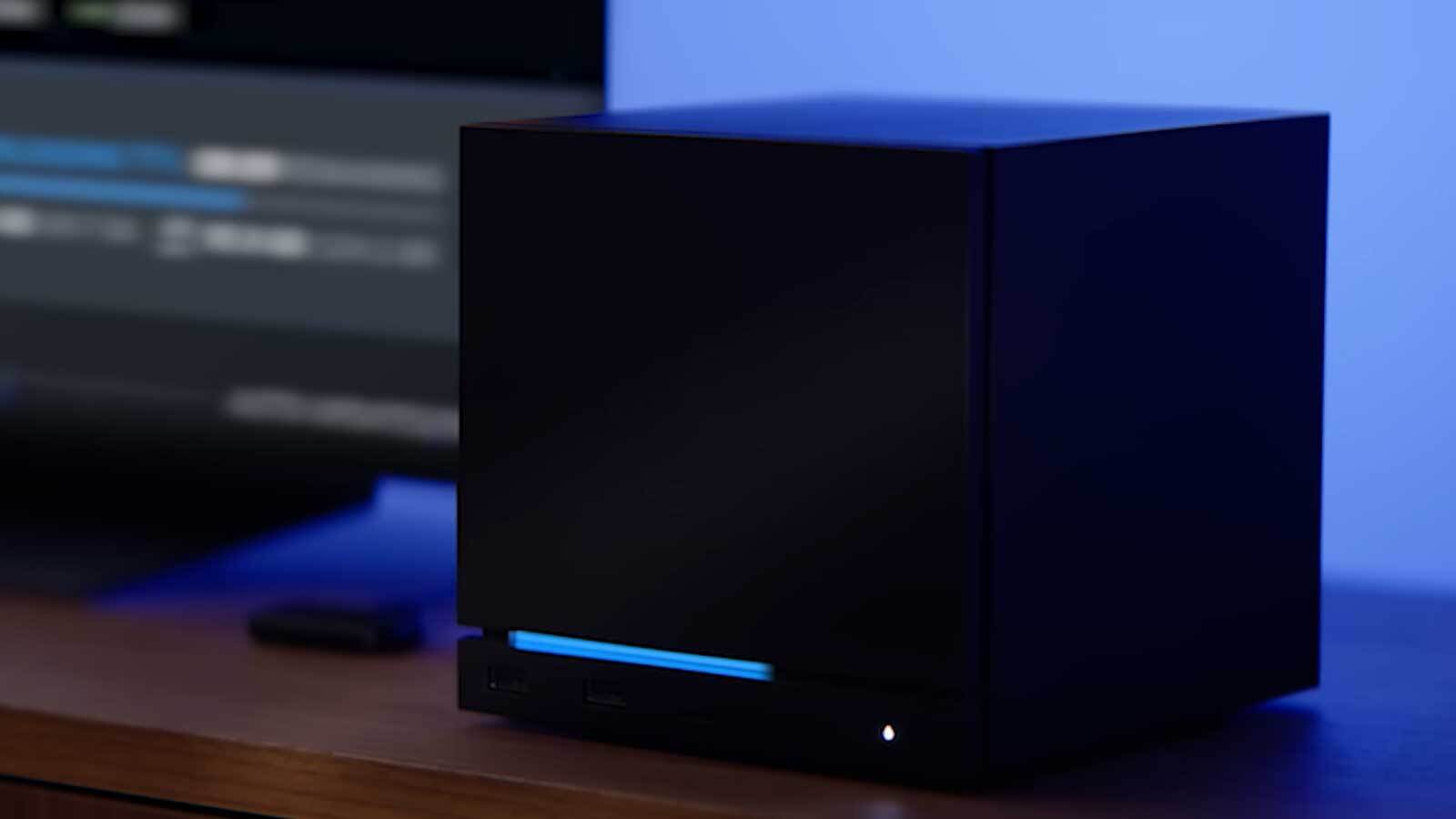
If Valve integrates FSR 4 support at the Proton or SteamOS level, it may be able to improve games that already use FSR 3 without each developer needing to update their game individually.
That could make the feature especially useful because many older games may never receive official FSR 4 patches. Instead of waiting for studios to revisit those titles, SteamOS could potentially provide a better scaling option on its own.
However, this remains unconfirmed. There may be limits around which games work, how the option is enabled, and whether it can be used on all AMD hardware.
Steam Deck Players Could Benefit the Most
The Steam Deck is one of the most likely devices to benefit from a stronger upscaling solution.
Valve’s handheld is still capable of running many modern games, but newer titles are demanding more CPU power, memory, and GPU performance. Better optimisation remains the best answer, but improved upscaling can help when native performance is not enough.
FSR 4 may help Steam Deck players in several ways:
- Sharper image quality at lower rendering resolutions
- Fewer visual artifacts during movement
- Better performance in demanding games
- Improved support for games running through Proton
- More useful graphics options without buying new hardware
The Steam Machine could also benefit, particularly if it is expected to run demanding games on a television at higher resolutions. Its compact design and SteamOS interface are built around console-style gaming, so image quality will be important for players sitting further from the screen.
Better Optimisation Still Matters More
Upscaling technology is useful, but it should not become an excuse for poor game optimisation.
A well-optimised game should run smoothly on supported hardware before players need to rely on aggressive upscaling settings. Developers still need to improve CPU performance, reduce stuttering, manage memory use, and provide sensible graphics settings for lower-powered systems.
Still, modern games continue to become harder to run, especially on handheld PCs. In that environment, stronger upscaling tools can make the difference between an unplayable game and a smooth experience.
Valve has not confirmed when its custom FSR 4 implementation will arrive or whether Steam Deck support is planned. But if the feature reaches SteamOS hardware, it could become a meaningful upgrade for players who want better performance without replacing their device.



Discussion (0)
Be the first to comment.