



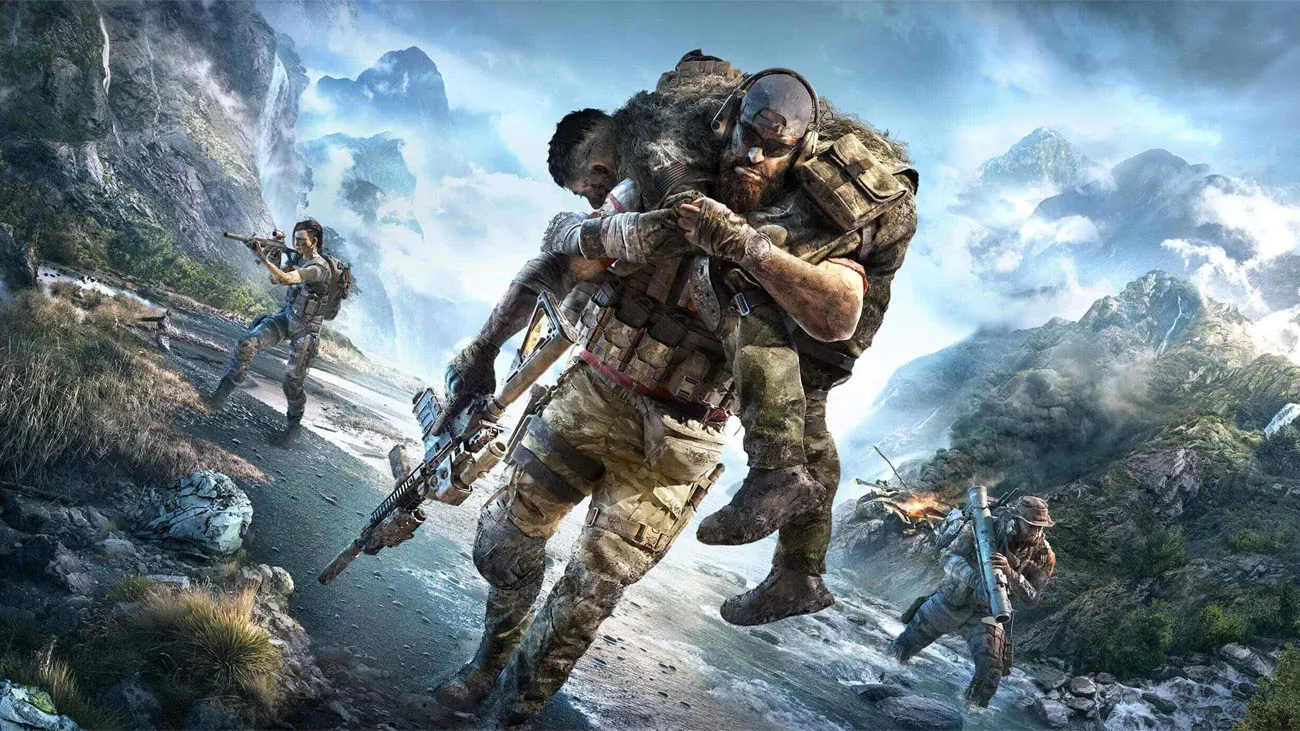
Ubisoft’s next Ghost Recon game is reportedly struggling in development, with staff said to be worried that the project could be rebooted or even canceled. The game, reportedly codenamed Project OVR, is said to have missed internal alpha phase goals, forcing Ubisoft to bring new leadership closer to the project as the company continues its wider restructuring.
The report comes during a difficult year for Ubisoft. The company has already gone through layoffs, a major internal reset, and a new structure involving Tencent backed Vantage Studios. Against that backdrop, another troubled project would not be surprising, especially for a large franchise that has not had a major new release since Ghost Recon Breakpoint in 2019.
Nothing has been officially confirmed by Ubisoft, so this should still be treated as a rumor. But the details point to a project under heavy pressure, with internal concerns about planning, deadlines, leadership, and whether the current version can realistically move forward.
Project OVR reportedly missed key internal targets
The biggest claim is that Project OVR failed to meet its internal alpha phase objectives. In game development, alpha is usually a major milestone because it shows whether the core systems, structure, and playable experience are coming together.
If a project misses that target badly, the publisher has to decide whether to keep pushing, replace leadership, delay the game, reboot large parts of it, or cancel it before costs grow further.
| Reported issue | What it may mean |
|---|---|
| Missed alpha goals | The game may not be meeting internal expectations |
| New leadership involvement | Ubisoft wants tighter control over development |
| Unrealistic deadlines | Schedule planning may have created pressure |
| Poor management concerns | Staff may not have clear direction |
| Possible reboot | Development could be extended by years |
| Possible cancelation | Ubisoft may cut losses if recovery looks too costly |
| No official confirmation | The report remains a rumor for now |
The reported leadership changes suggest Ubisoft is not ignoring the problem. Bruno Galet, Jean Baptiste Duval, and Julien Sansalone are said to be more directly involved in the project’s daily progress.
Ubisoft’s wider reset may be making things harder
Ubisoft’s current company wide changes may also be affecting the project. Layoffs and restructuring can slow development, damage morale, and make it harder for teams to focus. Even if a project already has problems, corporate instability often makes those problems worse.
The report suggests there may also be tension between the people working directly on Ghost Recon and Ubisoft leadership. Project leads were reportedly trying to follow their own direction while ignoring some suggestions from headquarters.
That kind of disagreement is not automatically bad. Creative teams need room to make decisions. But when a game is missing milestones, a gap between leadership and developers can quickly become a serious problem.
Ghost Recon has been quiet for seven years
The timing is also important because Ghost Recon has been absent for a long time. Ghost Recon Breakpoint launched in 2019 and had a rough reception at release. Ubisoft spent time improving it, but the franchise still lost momentum.
A new Ghost Recon game would need to rebuild trust. That means Ubisoft cannot afford another rushed or confused release. The series needs a clear identity, strong tactical gameplay, and a reason for players to return after years away.
That may be part of the challenge. Modern Ghost Recon sits in a difficult space. It has to satisfy fans of tactical military shooters while also fitting into Ubisoft’s open world and live service instincts. If the team cannot agree on what the game should be, development can easily drift.
A reboot would be painful but not unusual
If Project OVR is rebooted, it would likely add years to development. That would be frustrating for fans, but it may be better than launching another weak entry.
Ubisoft has faced similar questions around other franchises. Reports have also pointed to trouble around the next Far Cry, while the Splinter Cell remake has remained quiet for years after its reveal.
This has become a recurring concern around Ubisoft. The company owns many valuable franchises, but several of them have been stuck in long development cycles, unclear creative direction, or delayed production.
Cancelation would show how strict Ubisoft’s reset has become
A cancelation would be more serious. Ghost Recon is still a known name, and Ubisoft does not have many military tactical shooter brands with that level of recognition.
But Ubisoft is also trying to become more disciplined. If a project looks too expensive to fix, the company may decide that rebooting or canceling is better than releasing a game that damages the franchise further.
That would fit the broader reset. Ubisoft appears to be reviewing its projects more closely, cutting costs, and trying to focus on games that can perform commercially.
Ghost Recon needs more than a famous name to return
The next Ghost Recon cannot rely on brand recognition alone. The series needs a strong pitch, especially in a market filled with tactical shooters, extraction shooters, military sims, and co-op action games.
If Ubisoft wants Ghost Recon to matter again, the game needs to feel focused. It has to offer tactical depth without becoming too slow, open world freedom without filler, and co-op design that does not feel generic.
For now, the reported situation sounds uncertain. Ubisoft may still be able to fix Project OVR with stronger leadership and more realistic planning. But if the project truly missed major internal goals, the road ahead could be difficult.
The rumor paints a familiar picture of a major publisher struggling to align ambition, deadlines, and execution. Ghost Recon still has potential, but Ubisoft may need to make a hard decision soon about whether this version of the game is worth saving.



Discussion (0)
Be the first to comment.