



TSMC may eventually raise prices for its chip manufacturing services as inflation and heavy demand put more pressure on the world’s most important semiconductor foundry. The company has not confirmed a major price hike yet, but its leadership has made clear that costs are rising and that higher pricing may be difficult to avoid.
The concern matters because TSMC is not just another chipmaker. It manufactures chips for some of the biggest names in technology, including Nvidia, AMD, Qualcomm, and Apple. It also controls a large share of advanced foundry production, especially for cutting edge chips used in AI hardware, premium phones, gaming devices, PCs, and data center products.
TSMC chief financial officer Wendell Huang said the company does not plan to raise prices in the extreme way seen in parts of the memory market. He said TSMC would not suddenly raise prices fourfold or fivefold. Still, the company is facing higher costs, and its chairman and CEO CC Wei has also suggested that matching broader market pricing pressure is something the company would like to do.
TSMC’s position makes any price change much bigger than one company
A TSMC price increase would not stay inside TSMC. Because the company manufactures chips for so many major tech firms, higher foundry costs could move through the entire supply chain.
Companies that rely on TSMC would have two main options. They could absorb the added cost and protect customers from higher prices, or they could pass some of that cost on through more expensive products. In consumer technology, the second option is often more likely when margins are under pressure.
| Area affected | Possible impact |
|---|---|
| PC processors | Higher CPU and platform costs |
| Graphics cards | More pressure on GPU pricing |
| Smartphones | Higher costs for premium mobile chips |
| AI hardware | More expensive accelerators and AI PCs |
| Game consoles | More pressure on future hardware pricing |
| Cars and connected devices | Higher embedded chip costs |
The biggest risk is that the price increase would hit products that are already becoming expensive. PCs, laptops, handhelds, GPUs, and consoles are all facing pressure from AI demand, memory shortages, and component inflation.
AI demand is keeping pressure on advanced chip production
The AI boom is one of the major reasons TSMC is under pressure. Demand for advanced chips has surged as companies build more AI servers, accelerators, and data center systems. These products need high end manufacturing capacity, and that capacity is limited.
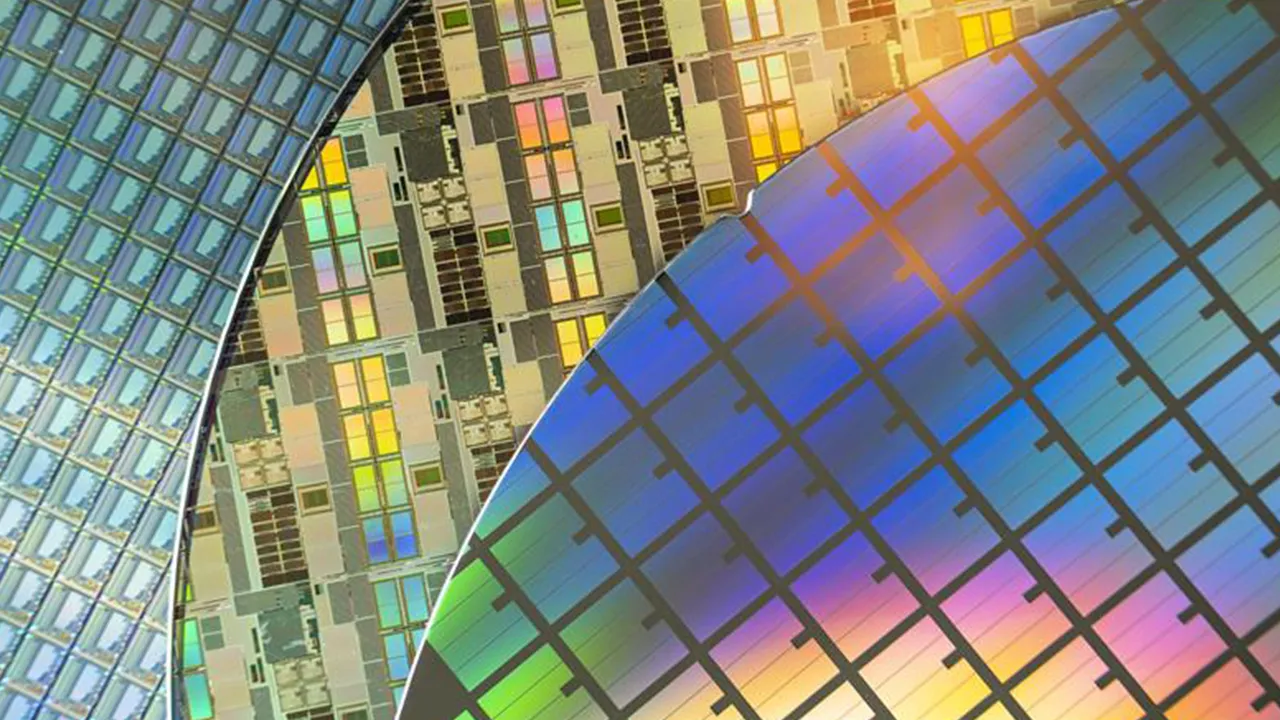
TSMC’s leadership appears confident that AI companies can keep spending because many of them are financially strong. That means the company may continue to prioritize expansion, advanced process nodes, and high demand customers.
But that demand also creates a problem for everyday buyers. When AI companies compete for the same advanced manufacturing capacity as PC, phone, and gaming hardware makers, costs can rise across the board.
This is already happening in other areas of the tech supply chain. Memory prices have been affected heavily by AI demand, and now the concern is that foundry pricing could become another source of rising costs.
A 3nm price hike would matter for future premium devices
Reports have suggested that TSMC could raise prices on its 3nm products by as much as 15 percent in 2026. That would be especially important because 3nm is used for some of the most advanced chips in the market.
High end processors, mobile chips, AI platforms, and upcoming PC hardware could all be affected. Nvidia’s RTX Spark platform, for example, is tied to TSMC’s 3nm process, which shows how closely next generation AI PC hardware may depend on the company’s advanced manufacturing.
Even a moderate increase can ripple outward. A chip may be only one part of a device, but it is often one of the most expensive and important parts. If that component becomes more expensive, the final product can become harder to price aggressively.
Consumers may feel the impact even outside AI products
The biggest concern is that this would not only affect AI servers or enterprise hardware. TSMC chips are used in consumer products too. Phones, laptops, desktops, GPUs, handheld gaming PCs, game consoles, and even cars could all feel the effects indirectly.
That does not mean every device will suddenly become much more expensive. Pricing depends on many factors, including competition, inventory, contracts, and product positioning. But higher foundry costs would add another reason for companies to avoid price cuts or launch new devices at higher starting prices.
For buyers, this could mean fewer affordable premium devices, smaller discounts, and more pressure to keep older hardware longer.
TSMC says it is trying to grow as quickly as possible, but demand remains intense. If the company raises prices, the rest of the tech industry will have to respond. The question is whether companies absorb the hit or pass it on to customers.
Given the state of the market, consumers should be prepared for the possibility that the next wave of PCs, phones, AI devices, and gaming hardware could cost more than expected.


Discussion (0)
Be the first to comment.