



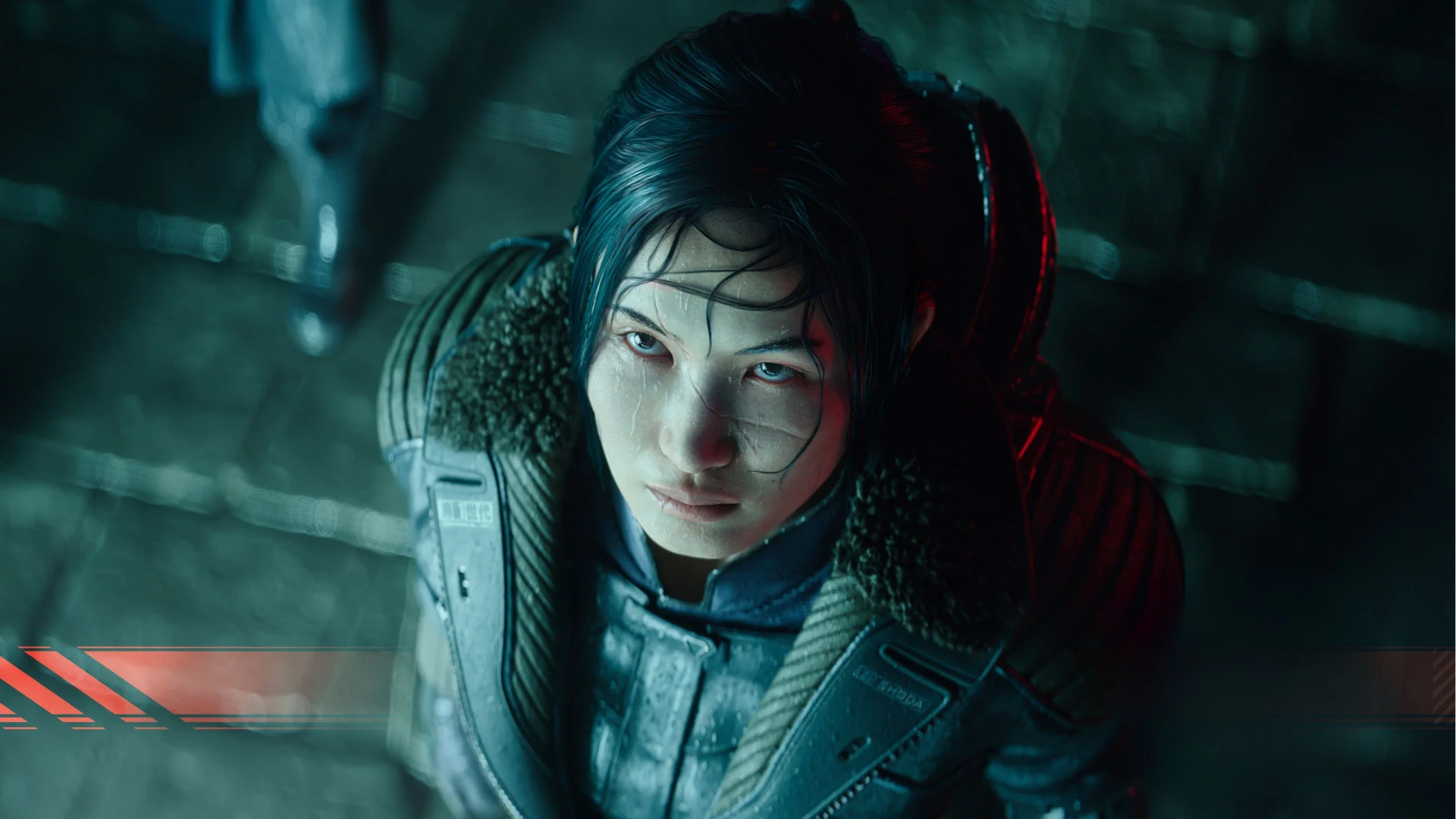
Tencent-backed open world action game Last Sentinel has reportedly suffered a major development collapse after six years of work, leading to around 80 layoffs at LightSpeed LA.
The project was designed as an ambitious cyberpunk crime game set in a futuristic version of Tokyo. It featured a female protagonist and aimed to combine driving, exploration, combat, and a large vertical city in a structure often compared with Grand Theft Auto.
Despite years of development and a public reveal in 2023, the studio reportedly struggled to turn that vision into a complete and enjoyable game. Tencent has not officially cancelled Last Sentinel, but it has confirmed that the project’s creative and development direction is changing.
LightSpeed LA remains open and is expected to continue working on games, although the future form of Last Sentinel is uncertain.
Development Problems Grew Behind the Scenes
LightSpeed LA was established around 2019 and 2020 by Steve Martin, a former senior leader at Rockstar San Diego.
The studio recruited experienced developers from major companies, including people who had previously worked at Rockstar, Naughty Dog, and Blizzard. Competition for skilled workers was strong during the 2020 and 2021 hiring period, so the company reportedly offered six figure salaries to attract senior talent.
Last Sentinel was intended to become a large scale single player game with the production quality of the biggest open world releases.
| Project detail | Reported information |
|---|---|
| Developer | LightSpeed LA |
| Parent company | Tencent |
| Development period | Around six years |
| Setting | Futuristic Tokyo |
| Genre | Open world action and crime game |
| Main character | Female protagonist |
| Public reveal | The Game Awards 2023 |
| Recent layoffs | Around 80 employees |
| Current status | Creative direction under review |
The scale of the plan created immediate challenges. Games of this size often require thousands of developers across internal teams, support studios, outsourcing partners, and technology groups.
LightSpeed LA reportedly employed hundreds rather than thousands. That made it difficult to match the scale, visual quality, and detail of established open world franchises.
The Studio Struggled With Its Creative Direction
People familiar with the project reportedly described slow decisions, unclear creative leadership, and disagreements about how the game should work.

Last Sentinel missed several internal deadlines and exceeded its planned budget. Despite the long development period, the studio did not show public gameplay after its 2023 announcement.
Four development videos released later focused on the project’s ideas, performances, and ambitions, but they did not provide a clear look at actual gameplay.
This absence raised questions among players about the state of production.
| Reported development issue | Possible effect |
|---|---|
| Unclear creative vision | Teams work toward different goals |
| Slow decision making | Features take longer to approve |
| Ambitious open world design | Higher staffing and technology demands |
| Missed deadlines | Increased costs |
| Limited gameplay demonstrations | Lower public confidence |
| Management disagreements | Reduced development efficiency |
A large game needs a stable plan for missions, movement, combat, driving, progression, and world design. If those systems are repeatedly changed, developers may spend years replacing work instead of completing it.
A Playtest Reportedly Produced Poor Feedback
Earlier in 2026, LightSpeed LA organised an internal or controlled playtest of Last Sentinel.
Feedback was reportedly overwhelmingly negative, with testers describing the game as lacking enjoyment. This appears to have become a turning point for the project.
Tencent then gave the studio a deadline to deliver a substantially improved build by July. The company reportedly wanted clear progress in areas such as combat, missions, and overall playability.
Todd Papy, known for his work on the God of War series, joined during the final three months to assist with the effort.
| Final improvement area | Intended goal |
|---|---|
| Combat | Make encounters more responsive |
| Mission design | Improve structure and variety |
| Core gameplay | Create a more enjoyable experience |
| Visual quality | Move closer to modern AAA standards |
| Overall polish | Prepare a stronger internal build |
Despite the additional support, the July version reportedly remained far below the quality expected from a major open world release.
Tencent then decided not to continue with the project in its existing form.
Around 80 Employees Have Been Laid Off
The decision resulted in approximately 80 layoffs at LightSpeed LA.
It is unclear how many developers remain at the studio or which departments were most affected. Tencent has said that the studio remains operational and continues to develop games.
The company also stated that it plans to change the creative and development direction of Last Sentinel to better meet player expectations.
That wording leaves several possibilities open.
| Possible outcome | What it could mean |
|---|---|
| Smaller redesign | Last Sentinel returns with reduced scope |
| Full reboot | Most existing work is replaced |
| New development partner | Another studio helps complete the game |
| Technology reuse | Assets and systems move to another project |
| Quiet cancellation | Development ends without a formal announcement |
Tencent may be reluctant to declare the game cancelled while it evaluates whether any part of the project can be recovered.
A smaller title using the same setting and characters could be more manageable than the original open world plan. Tencent could also move development to another team or combine LightSpeed LA with additional support studios.
The Budget May Have Reached Hundreds of Millions
The project reportedly consumed a budget worth hundreds of millions of dollars.
That figure has not been officially confirmed, but six years of development with a large team in California would involve substantial costs. Salaries, offices, technology, contractors, performance capture, and outsourced production can quickly increase the budget of a major game.
A delayed project also continues spending money without generating revenue.
| Cost area | Why it matters |
|---|---|
| Developer salaries | Long development periods increase total payroll |
| Office and equipment | Large teams require expensive facilities |
| Outsourcing | Art, animation, and testing add external costs |
| Technology development | Open world systems require major engineering work |
| Delays | Extend the period before revenue begins |
| Reworked content | Previous work may be discarded |
The layoffs suggest Tencent no longer believes the existing team and plan can justify further investment at the previous scale.
Veteran Developers Do Not Guarantee Success
Last Sentinel was promoted partly through the experience of its leadership and staff.
Developers with backgrounds at successful studios can bring valuable skills, but a new team still needs clear management, realistic scope, stable technology, and enough time to work effectively together.
Large games are rarely created by one well known leader. They depend on hundreds or thousands of people making consistent decisions across many departments.
Last Sentinel appears to have suffered from the gap between its ambition and its ability to execute that plan.
Tencent has not closed LightSpeed LA, and the company continues to describe Last Sentinel as an active project. However, the layoffs and reported decision not to proceed with the existing build indicate that its original version is unlikely to reach players.
The game may return after a substantial redesign, but there is currently no confirmed release date, gameplay demonstration, or clear explanation of what will remain from the project first announced in 2023.



Discussion (0)
Be the first to comment.